National Dish Singapore: Pandan Cake (Recipe)
In this article
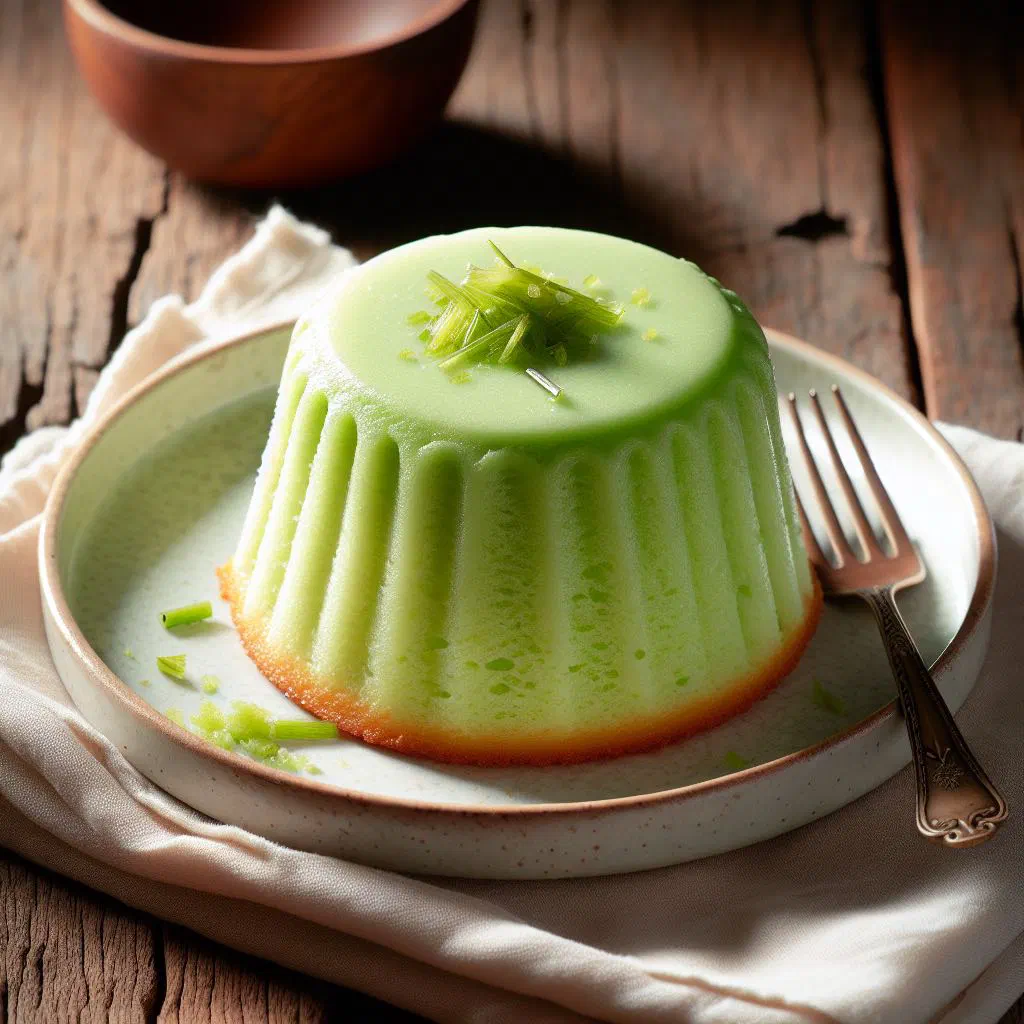
Meet Pandan Cake, one of Singapore’s most beloved bakes and a true feast for the eyes. Its striking emerald-green crumb comes from the fragrant pandan leaf, a cornerstone of South-East Asian cooking, while a gentle whisper of coconut and vanilla runs through every mouthful. Light, moist and quietly aromatic, it is the sort of cake that graces festive tables and lazy afternoon teas alike. Bring a little of that tropical charm into your own kitchen.
About Pandan Cake
Pandan Cake is a captivating dessert that is enjoyed right across Singapore. Its vivid green colour comes from the pandan leaf, an ingredient held in high regard throughout Asian cooking. The cake is more than a visual showstopper. It also wins hearts with its aromatic flavour, carrying subtle notes of vanilla and coconut. At festivals and celebrations in particular, a slice of pandan cake is always a welcome moment of pure pleasure.
Ingredients (serves 1–2)
- 2 cups rice flour
- 1 cup sugar
- 1 cup coconut milk
- 4 eggs
- 2 tablespoons pandan juice (freshly pressed)
- 1 teaspoon baking powder
- A pinch of salt
Shopping for the ingredients
To make a truly delicious pandan cake, it is worth sourcing your ingredients from a well-stocked grocer or an Asian supermarket. The pandan leaves and the coconut milk are especially important for achieving that authentic flavour. Look for fresh, good-quality ingredients to guarantee the best possible result. Many of these items are also available online, which makes tracking them down that much easier.
Preparing the dish
Before you start baking your pandan cake, gather all the ingredients you will need. Separating the eggs and combining the dry and wet ingredients should be your first jobs in the kitchen. Careful preparation goes a long way towards a perfectly risen cake that will impress your guests.
Step-by-step instructions
- Preheat the oven to 180°C and grease a cake tin.
- In a bowl, beat the eggs and sugar until pale and fluffy.
- Slowly add the coconut milk and pandan juice, mixing well.
- In a separate bowl, combine the dry ingredients (rice flour, baking powder and salt).
- Gradually fold the dry ingredients into the egg mixture and stir until smooth.
- Pour the batter into the prepared tin and level the top.
- Bake in the preheated oven for about 40–50 minutes, until golden.
- Once baked, let the cake cool thoroughly before serving.
Gluten-free / lactose-free version
Pandan cake is easy to make both gluten-free and lactose-free by swapping the traditional ingredients for suitable alternatives. Use a gluten-free flour or a blend of rice flour and almond flour in place of standard flour. For the lactose-free version, coconut milk is a natural choice, as it is dairy-free by nature. Just make sure every other ingredient is also gluten- and lactose-free so the cake is safe for all your guests to enjoy.
Tips for vegans and vegetarians
For a vegan version of pandan cake, the eggs can be replaced with apple purée or ground flaxseed. As an example, mix 1 tablespoon of ground flaxseed with 2 tablespoons of water and leave it to rest for 5 minutes to create an egg substitute. It is also worth checking that your sugar is vegan, as not all varieties are suitable. These small adjustments make the cake accessible to vegans and to anyone looking to avoid animal products.
More tips and tricks
To bake the perfect pandan cake, measure precisely and keep an eye on your oven temperature, since variations in heat can lead to quite different results. Reach for good-quality pandan leaves for a more intense aroma and a livelier colour. Once baked, you might finish the cake with a dusting of icing sugar or a scattering of fresh fruit to give it a special touch. Experimenting with different tins is another fun way to give your cake its own distinctive shape.
Adapting the recipe to your taste
Pandan cake is wonderfully adaptable and easy to tailor to your own preferences. Fancy it sweeter? Simply add a little more sugar. For extra texture, fold in grated coconut or a handful of nuts. If you love a fruity note, a touch of lemon zest or juice brings a lovely freshness. Playing around with different ingredients makes baking more fun and leads to genuinely unique flavour combinations.
Ingredient substitutions
If you have trouble finding certain ingredients for your pandan cake, there are some great alternatives to hand. Instead of coconut milk you could use almond or soya milk, though the flavour will differ. The rice flour can be swapped for another gluten-free flour such as buckwheat. Just keep an eye on the batter’s consistency when substituting ingredients, in much the same way you would when making Kueh Dadar or Kueh Sarlat.
Drink pairing ideas
Plenty of drinks pair beautifully with a slice of pandan cake. Try a chilled iced tea flavoured with lemon or mint for a refreshing contrast. A light green tea also works a treat and complements the cake’s gentle aromas. For a more festive occasion, an elegant prosecco or sparkling wine makes the moment feel that little bit more special.
Serving and presentation ideas
Presentation plays a big part in whetting your guests’ appetites for pandan cake. Consider placing the cake on a handsome white plate and decorating it with fresh mint leaves or edible flowers. A dusting of icing sugar lends an appealing sheen and makes the cake look all the more inviting.
Add further flair with fresh fruit arranged alongside for a bright splash of colour. The right presentation turns this delicious cake into the star of any celebration.
A bit of history
Pandan cake has its roots in traditional Asian cooking and is a much-loved treat across many South-East Asian countries. Pandan leaves have been used for centuries, lending dishes a unique flavour and a vivid colour. In Singapore the cake is especially present during holidays, weddings and festivals, where it is seen as a gesture of hospitality. This cultural significance makes pandan cake an experience that reaches far beyond taste alone, and a shining example of Singaporean cuisine.
More recipe ideas
Summary: Pandan Cake
Pandan cake is more than just a dessert; it is part of Singapore’s cultural identity. With its straightforward preparation and endless scope for variation, almost anyone can bake a delicious cake that appeals to the eye as much as the palate. Whether for a festive gathering or a cosy afternoon coffee, pandan cake is a treat not to be missed. Let this recipe inspire you and bring the flavours of Asia to life in your own kitchen.