National Dish Singapore: Pandan Kaya Cake (Recipe)
In this article
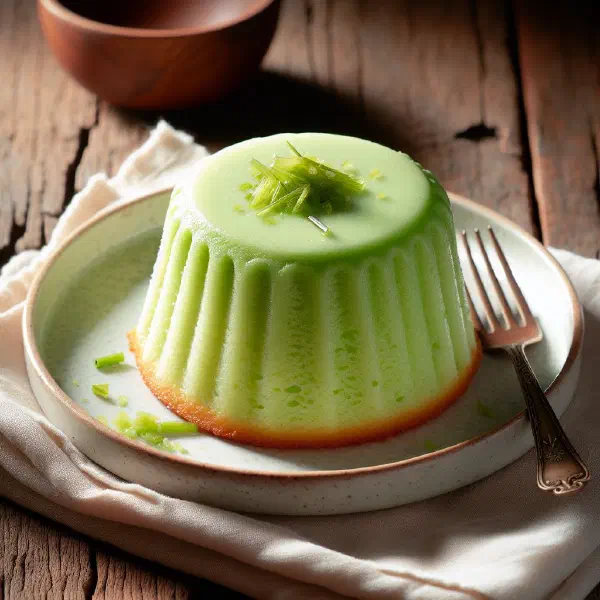
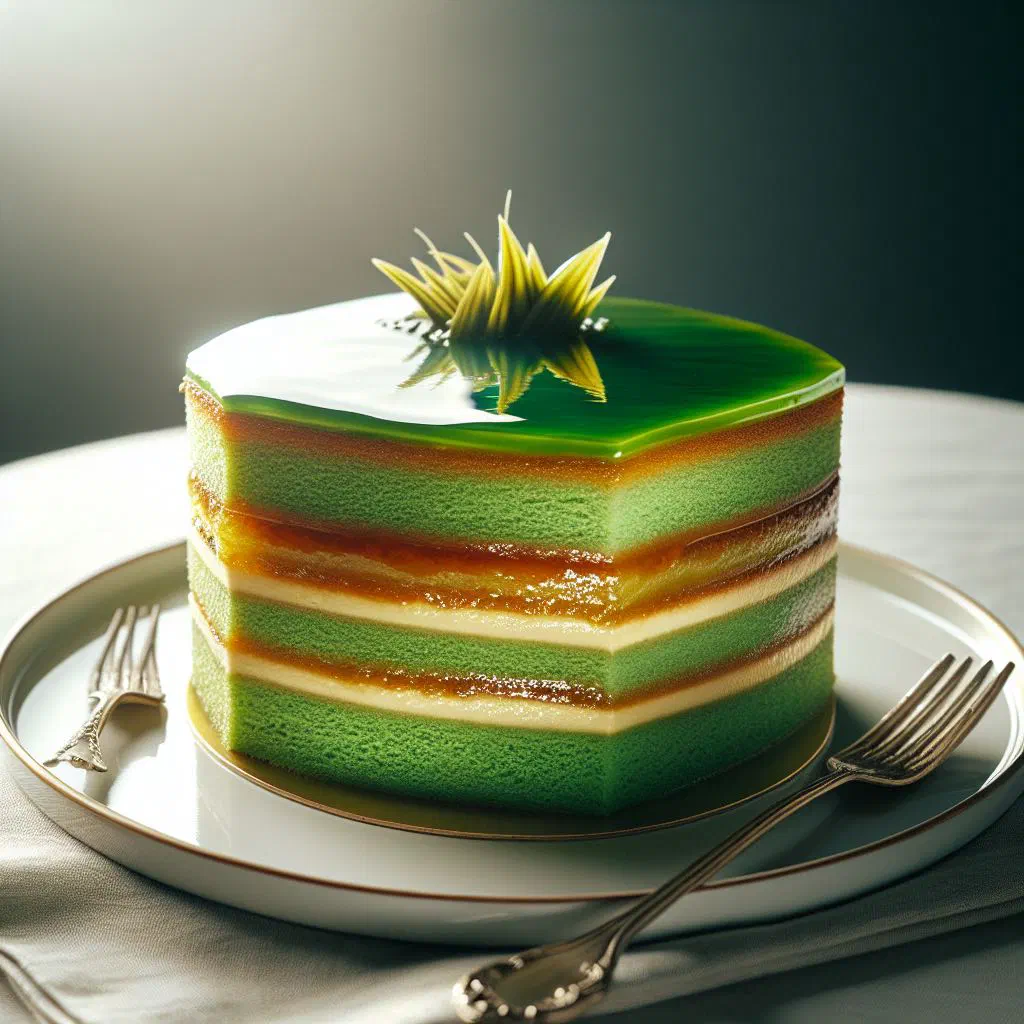
Meet the Pandan Kaya Cake, a fragrant slice of Singaporean baking that turns the island’s love of pandan and coconut into something wonderfully moreish. The cake takes its vivid green hue and heady, grassy scent from the pandan leaf, then pairs it with the sweet coconut-and-egg spread known as kaya. Light, tender and just sweet enough, it is equally at home alongside a cup of coffee or served as a dessert to round off a meal.
About Pandan Kaya Cake
The Pandan Kaya Cake is a refreshing and distinctive dessert that gathers up the traditional flavours of Singapore in a single bake. Built around the remarkable pandan leaf, prized for its bright green colour and unmistakable aroma, it forms the perfect base for a delicious cake. It is typically finished with a sweet coconut and egg-yolk spread known as kaya, which brings everything into harmony. The Pandan Kaya Cake is a splendid example of Singapore’s diverse culinary culture.
Ingredients (serves 1–2)
- 100 g pandan leaves (fresh or as extract)
- 200 g plain flour
- 150 g sugar
- 100 ml coconut milk
- 100 g butter, melted
- 2 egg yolks
- 1 tsp baking powder
- A pinch of salt
Shopping for the ingredients
To make the Pandan Kaya Cake, it is worth sourcing your ingredients from a well-stocked Asian supermarket or health-food shop. Pandan leaves are widely available across Asia, but they can also be bought as a concentrated extract, which makes the preparation simpler. Pay attention to the quality of the coconut milk, as it has a considerable influence on the flavour of the cake. Buying your ingredients locally is also a good way to support the regional economy at the same time.
Preparing the dish
Preparing the Pandan Kaya Cake is straightforward, though it takes a little care for the best result. If you are using fresh leaves, the pandan should first be washed thoroughly and blitzed in a blender. If you are working with pandan extract, you can simply combine it directly with the other liquid ingredients. These first steps make sure the aromas come through properly and that the cake takes on its characteristic colour and flavour.
Step-by-step instructions
- Blend the pandan leaves with a little water to make a pandan juice.
- In a bowl, mix the flour, sugar, baking powder and salt together well.
- Combine the coconut milk, melted butter and egg yolks with the pandan juice.
- Add the liquid ingredients to the dry ingredients a little at a time and stir until smooth.
- Pour the batter into a greased cake tin and bake in a preheated oven at 180°C for about 30–35 minutes.
- Remove the cake from the oven and let it cool completely before serving.
Gluten-free / lactose-free version
For a gluten-free version of the Pandan Kaya Cake, simply use a gluten-free flour blend that can be swapped in 1:1 for the plain flour. To make the recipe lactose-free as well, replace the butter with a lactose-free margarine or with coconut oil. These small adjustments make the cake suitable for a wider audience and let everyone enjoy its double dose of flavour without restrictions. Tuck in without a second thought about food intolerances.
Tips for vegans and vegetarians
The Pandan Kaya Cake is easy to adapt for vegans by replacing the eggs with a suitable alternative, such as apple purée or ground flaxseed. Coconut milk and plant-based margarine are already part of the recipe and give a wonderful base for the flavour. Experimenting with different plant-based alternatives can help you achieve the perfect taste and texture to suit your own preferences, so everyone can enjoy the cake’s delicious aromas whatever their diet.
More tips and tricks
To perfect your Pandan Kaya Cake, a few simple tricks go a long way. Avoid overmixing the batter, as this can leave you with a dense, chewy cake. Let it cool completely before turning it out of the tin to keep it from breaking. Use fresh pandan leaves for the very best flavour and colour. A pinch of turmeric can also lend the cake an extra golden tone that makes it even more appealing.
Adapting the recipe to your taste
The flavour of the Pandan Kaya Cake is easy to tailor to your own preferences. If you like things sweeter, increase the amount of sugar or add a fruit spread to intensify the flavours. For a more exotic touch, you might fold in ingredients such as toasted sesame or chopped nuts. By experimenting with different additions, you may well end up with your own signature version of this traditional cake.
Ingredient substitutions
If you do not have every ingredient for the Pandan Kaya Cake to hand, there are a few alternatives that work well. Instead of coconut milk you can use almond or soya milk for a lighter version, much like the swaps that suit a fragrant Coconut Rice. Plain flour can be replaced with alternative flours such as almond flour, though the quantities may need adjusting to keep the texture right. Bear in mind that using substitutes can change the overall character of the cake, but it is well worth experimenting with different combinations.
Drink pairing ideas
To round off the pleasure of a Pandan Kaya Cake, it is worth considering a few different drinks. A classic Teh Tarik, the frothy “pulled” milk tea, pairs beautifully with this sweet dessert and complements its flavours perfectly. For something more refreshing, a green tea offers a delicate balance to the sweetness of the cake.
Serving and presentation ideas
The presentation of the Pandan Kaya Cake can make all the difference when you want to impress your guests. Serve the cake on a pretty plate and garnish it with fresh fruit or edible flowers to create an eye-catching composition. Alternatively, cut it into small pieces and arrange them on a decorative platter to set an inviting mood. An appealing look enhances the eating experience and adds to the joy of sharing.
A bit of history
The Pandan Kaya Cake has its roots in Singaporean cuisine and is the product of cultural exchange between various Asian countries. More and more people are discovering the seductive aromas of pandan leaves, which feature in many traditional dishes across Singaporean cooking. Kaya itself, as a sweet spread, has a long history and is often enjoyed on toast, as in the beloved Kaya Toast. The cake is thus a perfect example of the blend of tradition and innovation that shapes Singapore’s culinary landscape.
More recipe ideas
Summary: Pandan Kaya Cake
In short, the Pandan Kaya Cake is a journey into traditional Asian baking. Its distinctive flavours and bright colours make it a highlight on any table. Preparing and savouring this cake is sure to be a memorable experience. Let it inspire you and conjure up this lovely cake in your own kitchen.