National Dish Slovakia: Pečené Bravčové Koleno (Recipe)
In this article
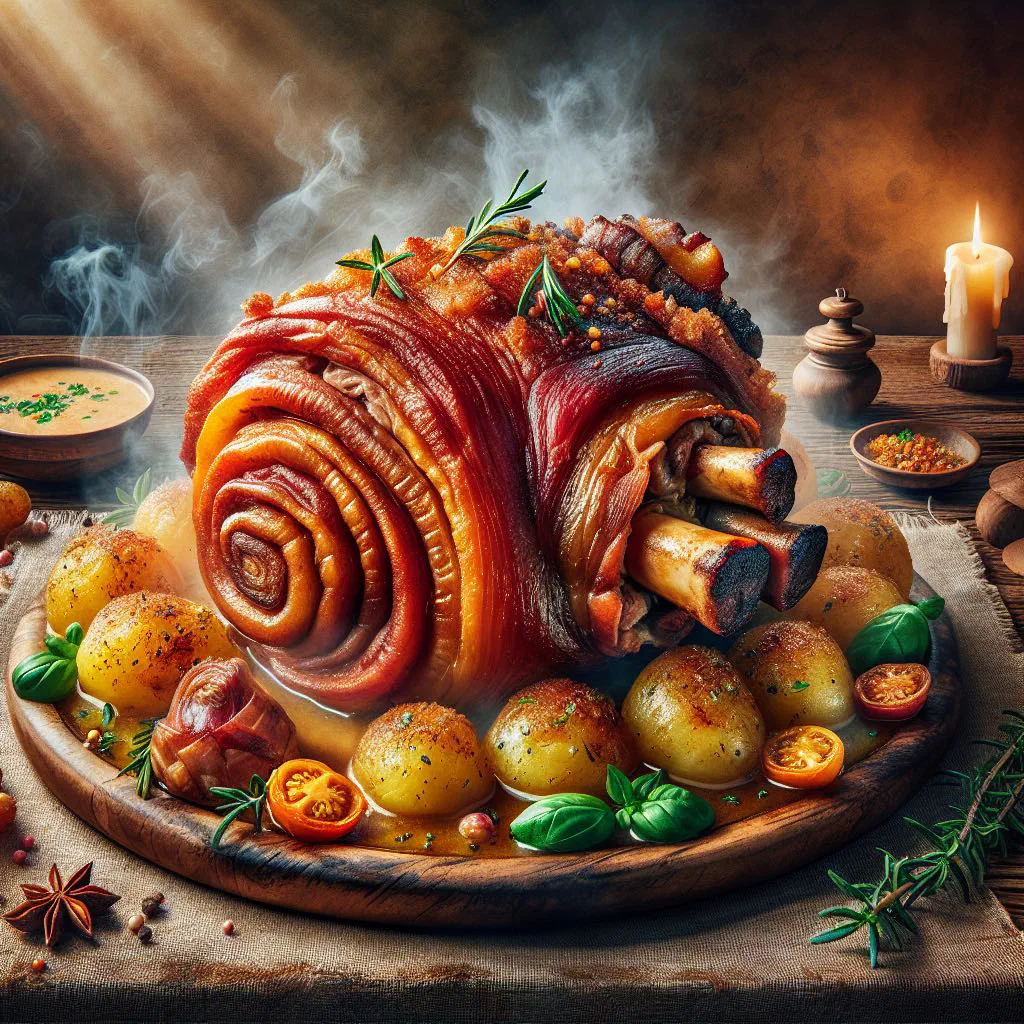
Meet Pečené Bravčové Koleno, the gloriously hearty roast pork knuckle that sits at the heart of Slovak home cooking. Slow-braised until meltingly tender and then blasted in a hot oven for that all-important crackling, it pairs juicy meat with a deeply savoury crust scented with garlic and caraway. It is the kind of generous, sociable food that turns a simple supper into a feast. Perfect for festive occasions or a relaxed evening with friends around the table.
About Pečené Bravčové Koleno
Pečené Bravčové Koleno is a tradition-rich dish of Slovak cuisine, prized for its savoury depth and wonderfully tender texture. This pork knuckle is prepared with real care and is especially popular at festive gatherings or convivial evenings with company. The contrast between the crispy crackling and the succulent meat beneath makes it a genuine treat. Every version tells of the rich culture and the craftsmanship that run through Slovak food traditions.
Ingredients (serves 1–2)
- 1 pork knuckle (approx. 1 kg)
- 3–4 cloves of garlic
- 1 onion
- 2–3 bay leaves
- 1 teaspoon caraway seeds
- Salt and pepper, to taste
- 500 ml beer or water
- Oil, for frying
Shopping for the ingredients
When sourcing the ingredients for Pečené Bravčové Koleno, the quality of the meat matters most. Visit a local butcher or a trusted supermarket to buy a fresh pork knuckle. Look for meat that is well marbled, as this gives both better flavour and more juiciness. The remaining ingredients, the spices and vegetables, should be fresh too, so the dish can develop its full aroma.
Preparing the dish
Preparing Pečené Bravčové Koleno begins with cleaning the pork knuckle thoroughly. Next, rub the knuckle all over with a mixture of chopped garlic, salt and pepper to season the meat. A few scores through the fatty side help the aromas penetrate deeper into the meat. These steps are essential for coaxing out the full flavour during cooking.
Step-by-step instructions
- Rinse the pork knuckle well and pat it dry with kitchen paper.
- Rub it all over with a mixture of crushed garlic, salt, pepper and a little caraway.
- Sear the knuckle in a large pot with a little oil until golden brown on all sides.
- Add the onion and bay leaves, then pour in the beer or water.
- Cover the pot and let the knuckle braise over low heat for at least 2–3 hours.
- Lift the knuckle out and roast it in a preheated oven at 200°C for about 30 minutes, until the skin is crisp.
Gluten-free / lactose-free version
Pečené Bravčové Koleno is easy to prepare without gluten-containing ingredients. Simply use a gluten-free beer or stock to keep the dish suitable for anyone with a gluten intolerance. Making it lactose-free is just as straightforward, since the dish naturally contains no dairy at all. Enjoy the flavours of Slovak cooking without giving lactose or gluten a second thought.
Tips for vegans and vegetarians
Although Pečené Bravčové Koleno is a meat dish, vegans and vegetarians can take inspiration from it and try creative alternatives. In place of a pork knuckle you might use a roasted vegetable joint or seasoned tofu cutlets, spiced in much the same way. Take care that the spices and marinades are vegan too. That way the characteristic Slovak flavours stay intact, without any animal products.
More tips and tricks
To make your Pečené Bravčové Koleno especially tender, give the knuckle plenty of time to braise. As a rule, the longer you cook the meat, the more tender it becomes. Another key point is using an aromatic beer, which lends the dish extra flavour. For a particularly crispy crackling, simply extend the grilling time in the oven by a few more minutes.
Adapting the recipe to your taste
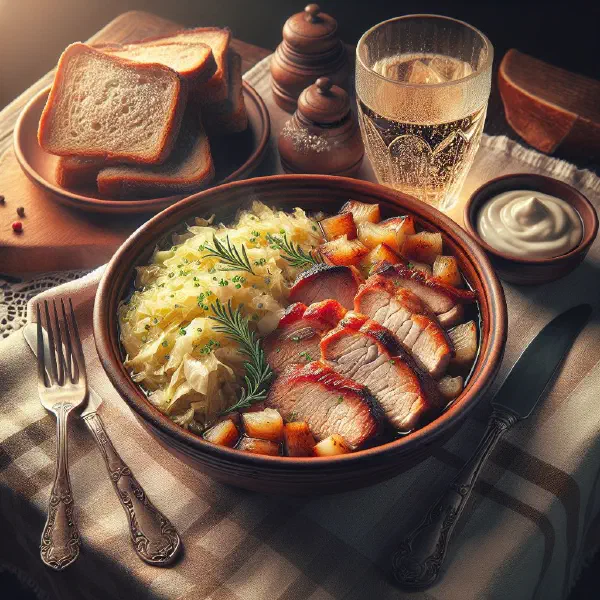
The recipe for Pečené Bravčové Koleno adapts beautifully to personal taste. You might experiment with other spices or herbs, rosemary or thyme, for instance, to add a signature note. The side dish can vary too: whether potatoes, sauerkraut or crusty bread, choose whatever you like best. Try different styles of beer to discover new flavour directions. It is just as comforting as a plate of Bravcove Pecene S Kapustou.
Ingredient substitutions
If you do not have every listed ingredient to hand, there are a few alternatives you can use. Instead of beer, a standard vegetable stock works well to replace the liquid. Caraway can be swapped for fennel seeds, which bring a slightly sweeter taste. Be creative and adjust the recipe to suit your own preferences and whatever you happen to have in the fridge, the same flexible spirit that shapes Kysla Kapusta.
Drink pairing ideas
A range of drinks suits Pečené Bravčové Koleno and rounds off its savoury character beautifully. A cool beer is the classic choice and lifts the flavours wonderfully. If you fancy something a touch more elegant, a robust red wine underlines the dish’s hearty notes nicely. For an alcohol-free option, lively lemonades or herbal teas are ideal, refreshing the palate between bites.
Serving and presentation ideas
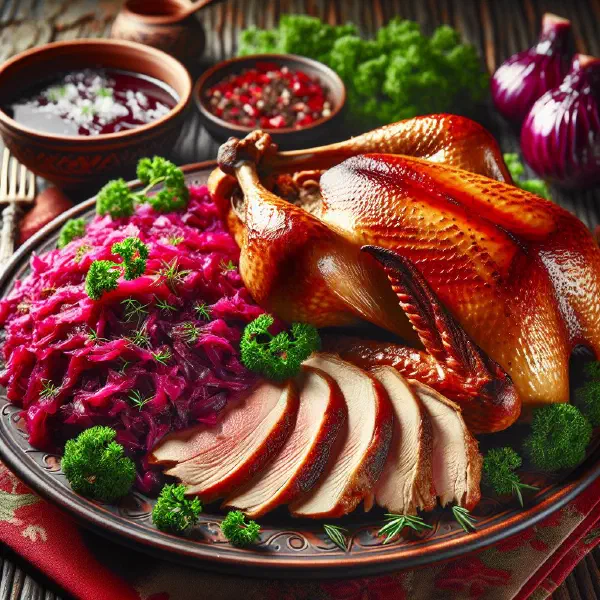
An attractive presentation can heighten the enjoyment of Pečené Bravčové Koleno even further. Serve the dish on a rustic wooden board and garnish it with fresh herbs such as parsley or thyme. Sides like crispy roast potatoes and a fresh salad bring colour and freshness to the plate. Remember to carve the knuckle into portion-sized pieces so it is easy to share and everyone can enjoy their part.
A bit of history
Pečené Bravčové Koleno has deep roots in Slovak tradition and reflects the country’s rural way of life. The dish has been prepared for centuries at festive occasions and family celebrations. Historically, the knuckle was often cooked by farmers to nourish and pleasure the whole family. In many Slovak regions it is a token of hospitality, frequently served as a main course at celebratory meals, a standing that underlines its place in Slovak cuisine.
More recipe ideas
Summary: Pečené Bravčové Koleno
In summary, Pečené Bravčové Koleno is a hearty, delicious dish that captures the spirit of traditional Slovak cooking. With its crispy crackling and tender meat, it delivers an intense flavour experience. The preparation does take a little time, but your patience is rewarded with an exceptional result. Whether for special occasions or a cosy dinner, this dish is sure to win over your guests.