National Dish Slovenia: Palačinke (Recipe)
In this article
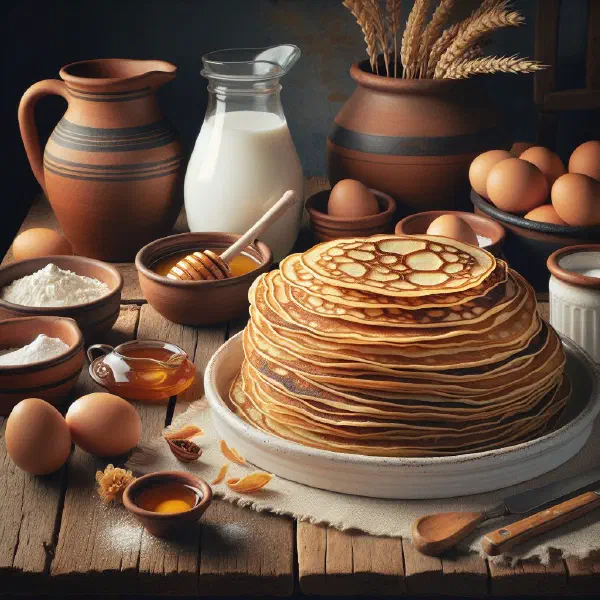
Meet Palačinke, Slovenia’s beloved take on the thin, delicate pancake. Wonderfully versatile, these silky crepes can turn sweet or savoury with the swap of a single filling, from fruity jams and rich chocolate spreads to soft, tangy cheese. Quick to whip up and endlessly adaptable, they are a treat for every palate. Let this simple classic carry you straight to the heart of the Slovenian kitchen.
About Palačinke
Palačinke are not simply a dish but an important part of Slovenian culture. These tender, thin pancakes can be prepared in countless variations, working equally well as a sweet dessert or a savoury main course. The range of fillings stretches from fruity jams and chocolate spreads all the way to hearty cheese. Every region in Slovenia has its own special recipes and methods, which makes these pancakes a true culinary experience.
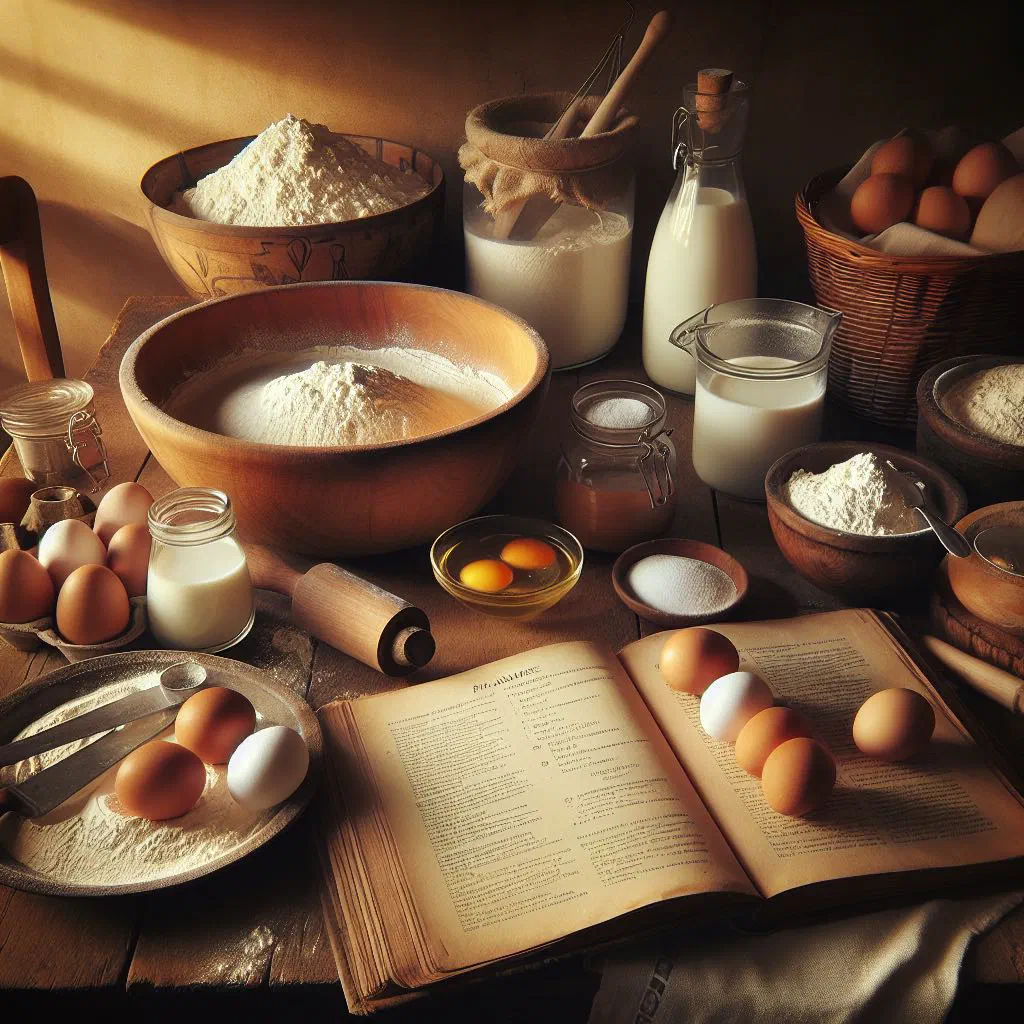
Ingredients (serves 1–2)
- 100 g flour
- 1 egg
- 250 ml milk
- A pinch of salt
- A little butter or oil for the pan
- Sugar or spices to taste (optional)
Shopping for the ingredients
When shopping for the ingredients for palačinke, it is worth choosing good-quality products. Fresh eggs and milk are crucial for the flavour and texture of your batter. If you have a preference for particular types of flour, you can also experiment with alternatives such as wholemeal flour or special gluten-free blends. A little sugar can be added to give the batter a sweet note, especially when the palačinke are to be filled with something sweet.
Preparing the dish
Preparing palačinke is quick and easy. Start by gathering all your ingredients in advance so the cooking process runs smoothly. A balanced mixture of flour, egg, milk and salt gives you the perfect batter consistency. Once mixed, let the batter rest for a few minutes so the flavours can develop and the flour has time to absorb the liquid.
Step-by-step instructions
- Whisk all the ingredients together in a bowl to make a smooth batter.
- Heat a pan and add a little butter or oil.
- Pour in a ladleful of batter and swirl the pan to spread it evenly.
- Cook the palačinka for about 1–2 minutes, until the edge turns lightly golden.
- Flip the palačinka and cook the other side until golden as well.
- Repeat the process until all the batter is used up.
- Fill the palačinke to taste and roll them up.
Gluten-free / lactose-free version
If you want to avoid gluten or lactose, there are simple alternatives for making palačinke. Use a gluten-free flour made from rice, almond or oat flour. For the milk, you can reach for plant-based options such as almond, soya or coconut milk. Make sure the plant-based products are unsweetened, so the natural flavour of the palačinke shines through.
Tips for vegans and vegetarians
For vegan palačinke, you can replace the egg with apple sauce or a mashed banana to bind the batter. Use plant-based milk and swap the butter for a plant-based alternative. The fillings can be made from fresh fruit, nut butter or vegan creams that keep the dish rich and flavourful. Spinach and tofu are excellent options for savoury fillings without any animal products.
More tips and tricks
To enjoy the perfect palačinke experience, try out different garnishes and fillings. A pinch of cinnamon or vanilla in the batter can improve the flavour considerably. For a crisp texture, you can briefly pan-fry the palačinke again once they are filled. You can also adjust the fillings with the seasons to make the most of fresh flavours.
Adapting the recipe to your taste
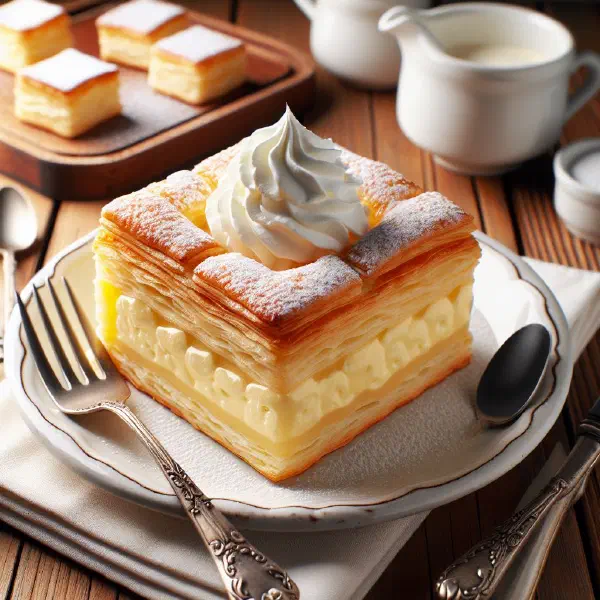
Palačinke are extremely adaptable, so you can tailor the recipe to your own preferences. Experiment with different fillings, whether that is fresh fruit, yoghurt or chocolate sauce. For a savoury dish you can use sautéed mushrooms, courgette or a robust cheese. The possibilities are almost limitless, and they make every batch a fresh pleasure, much like the sweet appeal of a slice of Blejska Kremsnita.
Ingredient substitutions
When making palačinke, you can be creative with the ingredients. Instead of wheat flour, you can use chickpea flour for a protein-rich, gluten-free version. In place of sugar, honey or agave syrup are healthier alternatives that still sweeten the batter. Take care to keep the right consistency, as different flours behave in different ways.
Drink pairing ideas
A delicious pancake deserves a fitting drink. Palačinke pair beautifully with freshly squeezed orange juice or fruity smoothies. An aromatic herbal tea or a mild coffee can also make an appealing companion. For special occasions you might serve sparkling drinks or a glass of sparkling wine to round off the treat.
Serving and presentation ideas
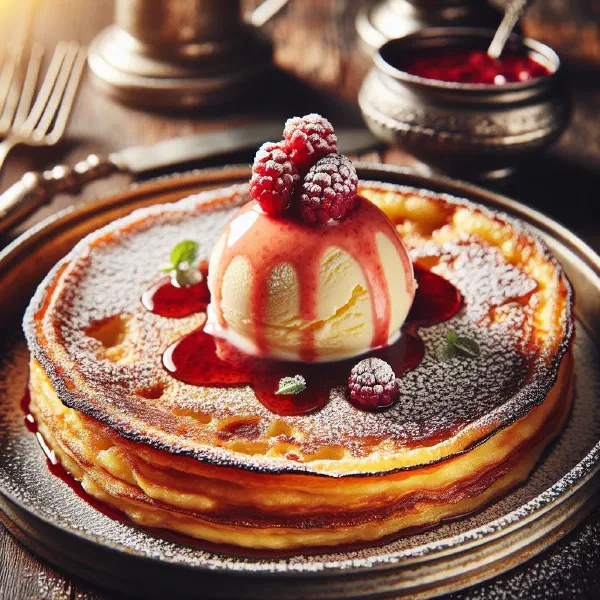
To present your palačinke attractively, arrange them neatly on a plate and garnish with fresh fruit. A dusting of icing sugar or a drizzle of chocolate sauce can refine the look. Edible flowers or fresh herbs also add a stylish touch to the plate. Use a creative way of serving to please your guests and give this classic a modern interpretation.
A bit of history
Palačinke have a long tradition in Slovenian cooking and are a variation of the European pancake. This treat developed in rural regions, where simple ingredients were used. Today they are a popular dish, prepared for festive occasions and in countless homes. Their versatility has meant that palačinke are known in various countries in many different forms, and they remain a cherished part of Slovenian cuisine alongside sweet favourites such as Sladki Struklji and Prekmurska Gibanica.
More recipe ideas
Summary: Palačinke
Our palačinke are more than just simple pancakes; they are a culinary experience that can be reinterpreted again and again with different fillings and adaptations. Whether sweet or savoury, they are easy to make and pleasure people of every age. Give this recipe a try and enjoy a delicious journey through Slovenian cuisine. Enjoying palačinke is a taste experience and a celebration of tradition and creativity in the kitchen.