National Dish Slovenia: Pinca (Recipe)
In this article
Meet Pinca, a tender Slovenian sweet bread that has graced festive tables for generations. Enriched with butter, eggs and a bright hint of lemon, it bakes up beautifully airy beneath a glossy golden crust. Traditionally baked at Easter, it fills the kitchen with a gentle, comforting aroma and looks every bit as inviting as it tastes. Bring a little Slovenian holiday spirit into your own home with this timeless bake.
About Pinca
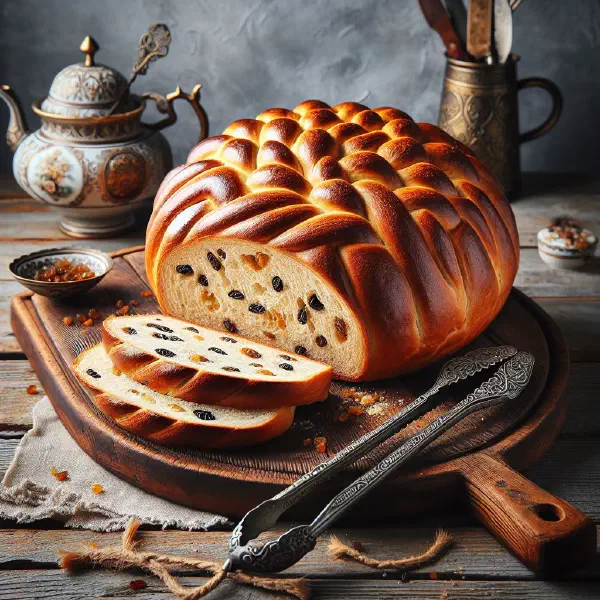
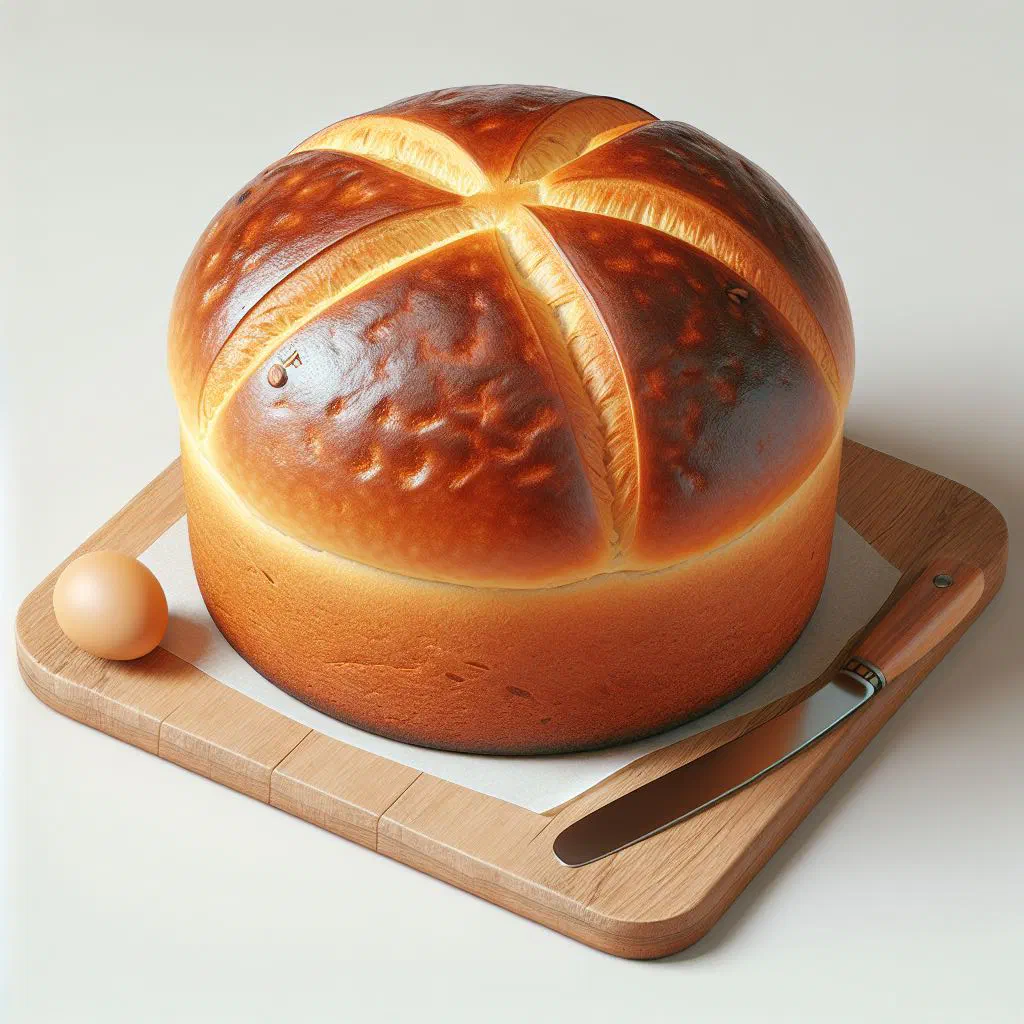
Pinca is a traditional sweet bread from Slovenia, enjoyed above all during the Easter season. With its delicate aroma and wonderfully airy texture, it has earned a firm place in many Slovenian households. It is often perfumed with citrus and studded with plump raisins, which lend it a fresh, fragrant note. The golden-brown crust makes it a treat for the palate and a handsome centrepiece on any festive table.
Ingredients (serves 1–2)
- 500 g flour
- 100 g sugar
- 2 eggs
- 250 ml milk
- 100 g butter
- Yeast (about 40 g)
- 1 lemon (zest and juice)
- 100 g raisins
- A pinch of salt
Shopping for the ingredients
When it comes to pinca, the quality of your ingredients really matters. Fresh eggs and good butter make a decisive difference to the flavour of the bread. When buying flour, look for a good grade that is well suited to baking. The raisins, too, should be as juicy and fresh as possible to achieve that perfect gentle sweetness.
Preparing the dish
To bake a successful pinca, careful preparation is key. Make sure all your ingredients are brought up to room temperature, particularly the butter and the milk. This helps you achieve an even, supple dough. Preheating the oven to the right temperature is another important step, ensuring the bread bakes evenly throughout.
Step-by-step instructions
- Dissolve the yeast in the lukewarm milk with a teaspoon of sugar and set aside.
- In a large bowl, combine the flour, the remaining sugar and a pinch of salt.
- Add the eggs and the dissolved yeast to the flour mixture.
- Stir in the lemon juice along with the grated lemon zest and mix everything well.
- Slowly add the melted butter and knead until you have a smooth dough.
- Knead the raisins into the dough, then leave it to rise in a warm place for about an hour.
- Once risen, transfer the dough to a greased loaf tin and leave to prove for a further 30 minutes.
- Preheat the oven to 200°C and bake the bread for about 30–35 minutes, until golden brown.
- Remove from the oven and leave to cool on a wire rack.
Gluten-free / lactose-free version
Making pinca without gluten or lactose is perfectly achievable. For this, use a gluten-free flour suitable for baking. In place of regular milk you can use plant-based milk, such as almond or soya. The butter, too, can be swapped for vegan butter to make the recipe lactose-free.
Tips for vegans and vegetarians
To prepare a vegan pinca, the eggs can be replaced with apple sauce or flaxseed (a mixture of ground linseed and water). These alternatives provide a similar binding effect in the dough. It is also worth choosing a good plant-based butter or a quality oil. With these adjustments, vegans can enjoy the traditional recipe without sacrificing any of the flavour.
More tips and tricks
There are many ways to make pinca even more delicious. Experiment with warming spices such as cinnamon or nutmeg to give the bread a special character. Adding nuts or dried fruit can also be a welcome change. Take care not to over-knead the dough, so that the bread stays beautifully light and airy.
Adapting the recipe to your taste
The beauty of pinca lies in its versatility. The sweetness of the bread can be adjusted to taste by using less sugar or trying alternative sweeteners. Likewise, you can vary the combination of raisins and citrus to explore different flavours. For more sweet inspiration, a slice of Orehova Potica makes a lovely companion bake.
Ingredient substitutions
If certain ingredients are not to your liking, they are easily swapped. The sugar, for example, can be replaced with honey or maple syrup. In place of raisins you could use dried cranberries or figs to liven up the bread. Substitutions like these can transform the flavour of pinca in exciting ways, much as they do in a fruity Jabolcni Zavitek.
Drink pairing ideas
A variety of drinks pair wonderfully with a lovely slice of pinca. A freshly brewed coffee or a fruity tea make perfect companions. For a festive touch, you might also serve fruity lemonades or juices. These combinations create a harmonious tasting experience.
Serving and presentation ideas
Thoughtful presentation can elevate pinca. Serve the bread on an attractive plate and garnish it with fresh citrus or mint leaves. A dusting of icing sugar lends the whole thing an elegant finishing touch. That way pinca becomes more than a treat for the palate but a feast for the eyes on any table, a fitting star alongside a Blejska Kremsnita on the dessert spread.
A bit of history
Pinca has a history, closely bound up with Slovenian culture and tradition. It is said that the bread was originally baked as a special treat for religious festivities. The making and sharing of pinca symbolise community and togetherness. The tradition of baking the bread at Easter is still alive today, passed down from one generation to the next as a cherished part of Slovenian cuisine.
More recipe ideas
Summary: Pinca
In summary, pinca is a delicious sweet bread and a meaningful cultural tradition of Slovenia. With its airy texture and delicate aromas, it is the perfect recipe for festive occasions. Whether in its traditional form or with your own modifications, pinca is a welcome addition to any gathering around the table. Let it inspire you and give it a try yourself.