National Dish Slovenia: Potica (Recipe)

In this article
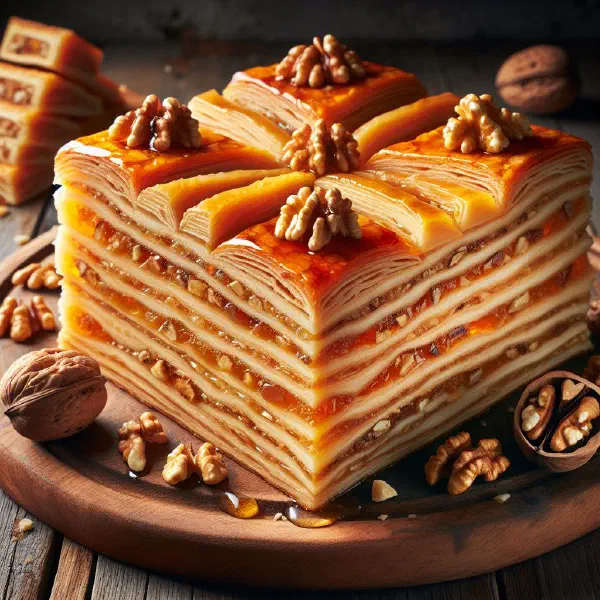
Discover Potica, the sweet, nutty spiral cake that stands proudly among Slovenia’s most cherished national treasures. This traditional festive bake, most often seen on the table at Christmas and Easter, wraps a soft yeast dough around a fragrant filling of walnuts, honey and warm spice. Behind its beautiful swirl lies generations of craft, and once you cut into that first slice you will understand why Slovenians hold it so dear. Bring a taste of this timeless celebration cake straight to your own kitchen.
About Potica
Potica is a truly heavenly cake from Slovenia and counts among the country’s most symbolic national dishes. This traditional festive bake, found on tables at Christmas and Easter, captivates every sense with its layered fillings of walnuts, honey and other appeals to. Rooted originally in rustic farmhouse cooking, potica has grown into a genuine piece of cultural heritage and a must for any culinary explorer. What makes it so special is the artful method of preparation and the endless variations that tempt the palate. It sits comfortably alongside other beloved bakes such as Prekmurska Gibanica in the rich world of Slovenian cuisine.
Ingredients (serves 1–2)
- 500 g flour
- 20 g fresh yeast
- 100 ml warm milk
- 70 g sugar
- 2 eggs
- 100 g melted butter
- 1 tablespoon rum
- 1 pinch of salt
- 200 g ground walnuts
- 100 g honey
- 1 teaspoon cinnamon
- Zest of 1 lemon
- 1 egg yolk, for glazing
Shopping for the ingredients
When choosing the ingredients for potica, look out for freshness and quality. The yeast should be as fresh as possible so the dough rises beautifully. Organic eggs, good-quality milk and locally sourced walnuts all bring out the very best in this dish. The honey can be a variety of your choosing, though a local, dark honey lends potica a particularly distinctive note.
Preparing the dish
Before you start making potica, make sure all the ingredients are at room temperature so the dough can rise to its best. The butter should be melted and left to cool slightly so it works smoothly into the dough. The walnuts are best freshly ground, releasing their essential oils and full aroma for a richer filling.
Step-by-step instructions
- Dissolve the yeast in the warm milk and stir in a little sugar. Leave the mixture to stand for about 10 minutes, until it begins to foam.
- Sift the flour into a large bowl and add the yeast mixture, eggs, remaining sugar, rum and salt. Combine the ingredients thoroughly.
- Add the melted butter and knead the dough until it is smooth and elastic. Leave it in a warm place until it has doubled in size.
- While the dough rises, prepare the filling: mix together the walnuts, honey, cinnamon and lemon zest.
- Roll the risen dough out into a rectangle on a floured surface and spread the filling evenly over it.
- Roll the dough up into a log and place it in a greased loaf tin.
- Let the potica prove for a further 30 minutes, then brush it with egg yolk.
- Bake the potica at 180°C in a preheated oven for about 50 minutes, until it turns golden brown.
Gluten-free / lactose-free version
Potica adapts nicely to a gluten-free version if you swap the wheat flour for a good-quality gluten-free baking blend, ideally one with added binding agents so the dough still holds its swirl. For a lactose-free bake, use a plant-based margarine in place of the butter and a suitable dairy-free milk. With these simple changes, everyone can enjoy a slice of this celebration cake without compromise.
Tips for vegans and vegetarians
Potica is already vegetarian, and a vegan version is well within reach. Replace the eggs with ground linseed or chia seeds mixed with water, use a plant-based margarine instead of butter, and swap the honey for agave syrup or maple syrup. Take care to check that any pre-processed ingredients are free of hidden animal products. With fresh nuts and warm spice at its heart, the flavour stays every bit as inviting.
More tips and tricks
A long or round potica tin gives the cake its traditional appearance. If you notice the top browning too quickly, cover it loosely with a little foil to prevent burning. After baking, let the potica cool in the tin for a few minutes before carefully turning it out, so the delicate spiral stays intact.
Adapting the recipe to your taste
If you like, you can shape the filling of your potica entirely to your own taste. For a fruitier result, add raisins, soaked dates or other dried fruits. A splash of liqueur or a little lemon juice in the filling can also bring a special note. Those who enjoy exploring other Slovenian sweets might also try Sladki Struklji for a similar rolled treat.
Ingredient substitutions
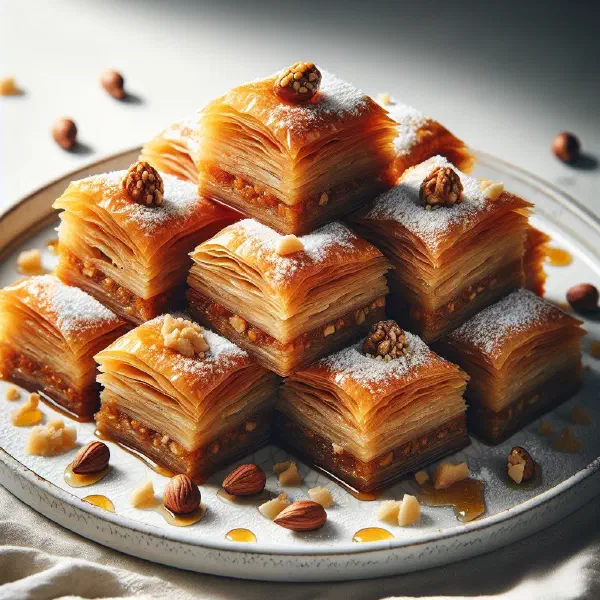
If you have a nut allergy, you can use seeds such as sunflower or pumpkin seeds in place of the walnuts. For a vegan version, replace the egg with linseed or chia seeds mixed with water. Instead of honey, agave syrup or maple syrup makes a fine choice. Fans of a nut-and-honey filling will also feel right at home with Orehova Potica or a slice of Idrijska Baklava.
Drink pairing ideas
A glass of sweet dessert wine or a full-bodied red wine brings out the flavours of potica perfectly. A strong coffee or a hot cup of tea also makes an excellent companion, rounding off the whole tasting experience with a comforting warmth.
Serving and presentation ideas
Serve the potica on a handsome cake plate, dusted with icing sugar and decorated with a few walnut halves. A slice of this delicious roll, cut open to reveal its layered beauty, is an invitation to indulge. Alongside a cup of coffee and perhaps a piece of Blejska Kremsnita, it makes for a truly memorable spread.
A bit of history
Over the centuries, potica has grown from a simple farmhouse bake into a treasured national dish. Its roots lie in the region of the former Yugoslavia, and it remains a firm part of Slovenian identity and culture. The recipes have been handed down from generation to generation, bearing witness to the cultural richness and creativity of Slovenia.
More recipe ideas
Summary: Potica
Slovenian potica is a heavenly speciality that unites traditional values with pure culinary pleasure. With this recipe you can easily bake this sweet cake at home and treat yourself or your loved ones to a slice. Beyond the classic walnut version there are countless variations, with a poppy-seed filling, hazelnuts, or even a savoury filling for lovers of a heartier taste. The sheer versatility of this bake makes it an endless adventure for anyone who loves to experiment in the kitchen.