National Dish Solomon Islands: Tuluk (Recipe)
In this article
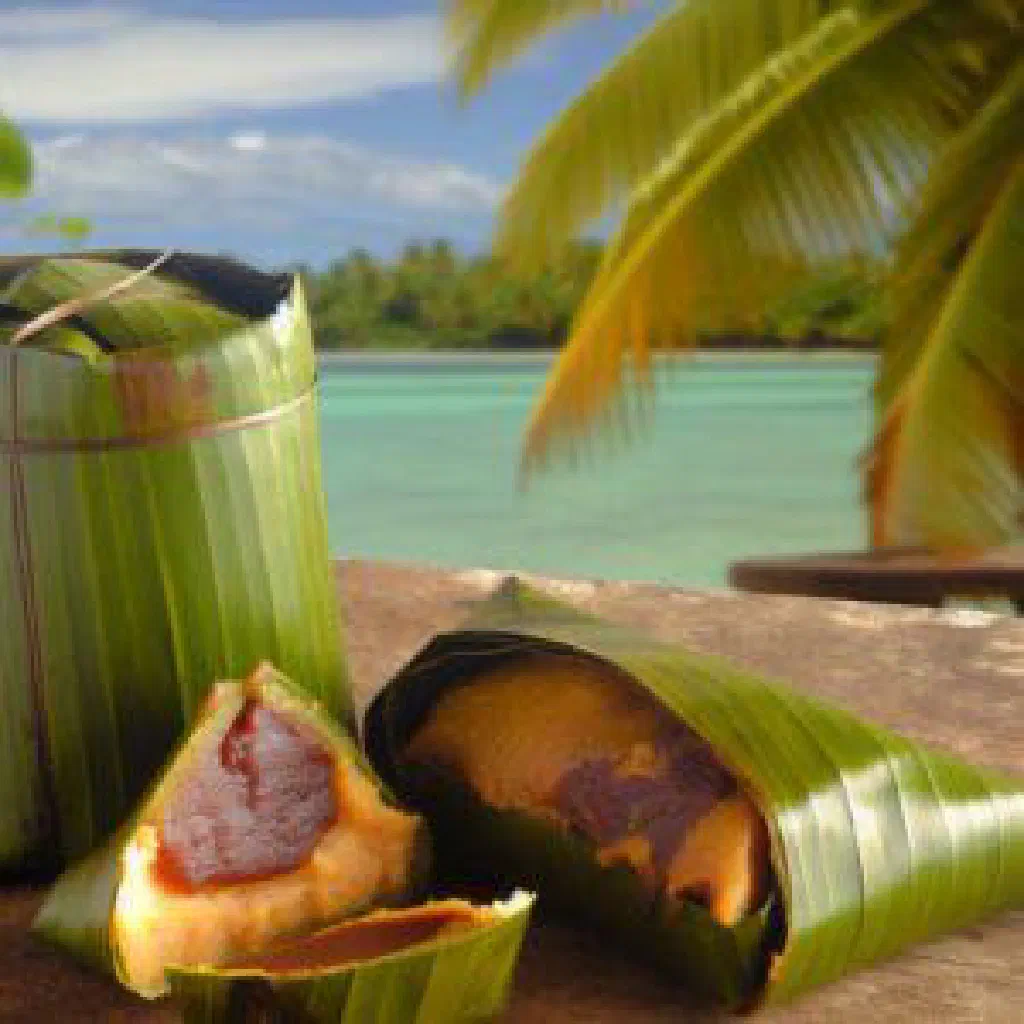
Discover Tuluk, the national dish of the Solomon Islands. This traditional parcel brings together grated root vegetables and the tropical richness of coconut, all wrapped in fragrant banana leaves and gently steamed to perfection. Simple, wholesome and full of island character, it captures the easy resourcefulness of Pacific cooking in a single aromatic bundle. Bring a taste of the Solomon Islands straight to your own kitchen.
About Tuluk
Tuluk is a traditional dish of the Solomon Islands, made from hearty sweet potatoes wrapped in banana leaves and slowly steamed to the perfect tenderness. It counts as a national dish because of how widely loved and eaten it is, and because it reflects the rich culture and the local produce of the Solomon Islands. The combination of sweet potato and other homegrown ingredients creates a unique, nourishing little parcel that wins people over with its simple preparation and its intense aroma.
Ingredients (serves 1–2)
- 300 g sweet potatoes, peeled and grated
- 2 large banana leaves, cleaned and prepared for wrapping
- 1 medium onion, finely chopped
- 1 clove garlic, crushed
- 1/2 teaspoon salt
- 1 tablespoon coconut oil
- Pepper to taste
Shopping for the ingredients
Fresh, good-quality ingredients are essential for a traditional Tuluk. When buying sweet potatoes, look for a firm texture and unblemished skin. The banana leaves should be fresh, green and free of tears. If fresh banana leaves are hard to come by, they can usually be found in frozen form at Asian grocery shops. When choosing coconut oil, opt for cold-pressed or virgin varieties for the best flavour.
Preparing the dish
Before you start making Tuluk, soften the banana leaves over an open flame or in hot water so they become pliable and do not tear. Wash, peel and grate the sweet potatoes thoroughly. Have all your ingredients ready to hand so the cooking process runs smoothly and efficiently. This kind of Pacific island cooking rewards a little preparation, much like other dishes across Solomon Islands cuisine.
Step-by-step instructions
- In a bowl, combine the grated sweet potato with the chopped onion, crushed garlic, salt and pepper.
- Spread out a banana leaf and brush a thin layer of coconut oil over it.
- Place the sweet potato mixture on the banana leaf and wrap it up carefully.
- Set the parcels in a steamer and steam for around 30–40 minutes, until the sweet potato is soft.
- Once steamed, lift the tuluk parcels out and let them cool briefly before serving.
Gluten-free / lactose-free version
Tuluk is naturally gluten-free and lactose-free, which makes it a wonderfully inclusive dish. There is no wheat flour or dairy anywhere in the recipe. Just grated sweet potato, aromatics and coconut oil steamed inside banana leaves. Anyone with a gluten intolerance or a dairy allergy can enjoy it exactly as written. Just double-check that any extra seasonings or sauces you add on the side are free from hidden gluten and milk products.
Tips for vegans and vegetarians
Tuluk is naturally vegan and vegetarian, since it relies entirely on plant-based ingredients. The coconut oil provides all the richness the parcel needs, so no butter or animal fat is required. Choose fresh, seasonal vegetables and aromatics for the most authentic flavour. If you like, fold in extra greens such as spinach to boost the nutrition while keeping the dish fully plant-based.
More tips and tricks
To stop the tuluk parcels from bursting open as they steam, tie them shut with kitchen string or with fibres from the banana stalk. You can also add extra seasonings such as ginger or chilli to lift the dish further. A steady, gentle steam works best, resist the urge to rush it, so the sweet potato cooks through evenly and stays moist.
Adapting the recipe to your taste
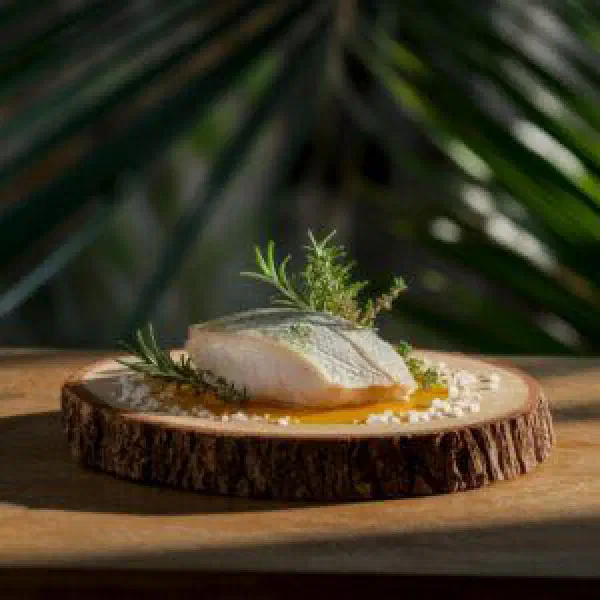
Tuluk is easy to tailor to your own preferences. For a spicier note, add finely chopped chillies to the filling. Those who love savoury, hearty flavours can work in smoked fish or cooked chicken, a natural companion to the island’s Poached Reef Fish With Herbs. Vegetarians can add extra vegetables such as spinach or peppers to make the parcels their own.
Ingredient substitutions
If banana leaves are not available, aluminium foil can stand in, though this does change the traditional character of the dish. In place of sweet potatoes, ordinary potatoes will also work and give a different flavour altogether. For a similar island feel, the grated-root approach also shines in Yam And Cassava Mash or a slice of Sweet Potato And Coconut Bread.
Drink pairing ideas
Light, fruity drinks that complement the sweetness of the sweet potato pair beautifully with Tuluk. A freshly pressed Soursop Juice or a cup of lemongrass tea are excellent choices. For a more festive occasion, a light white wine or a pale beer also makes a pleasant accompaniment.
Serving and presentation ideas
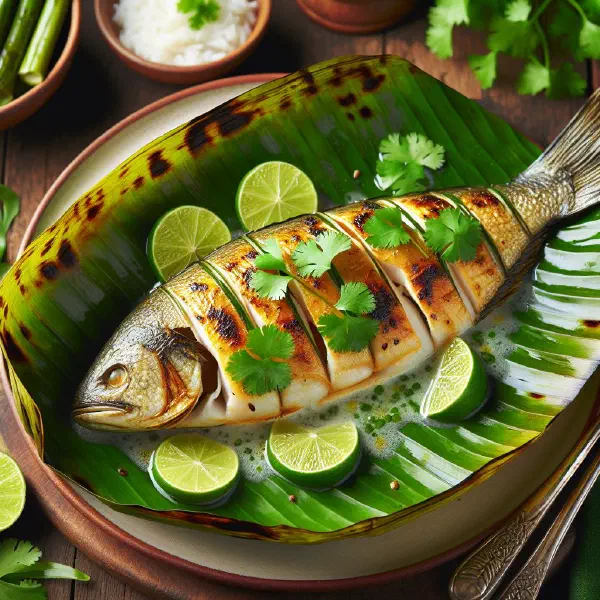
Tuluk can be served straight in its banana leaves, which lends it an authentic tropical flair. A garnish of fresh herbs and a slice of lemon adds colour and freshness. For a rustic touch, use wooden skewers or bamboo sticks to hold the parcels closed and present them on a simple platter.
A bit of history
The origins of Tuluk are closely tied to the culture of the Solomon Islands, where the sweet potato is one of the staple foods. The dish was traditionally prepared for special occasions and embodies the islanders’ knack for creating tasty meals resourcefully and creatively from the ingredients on hand. It remains a proud example of the region’s self-sufficient, homegrown cooking.
More recipe ideas
- Taro And Coconut Stew
- Roasted Taro With Coconut Cream
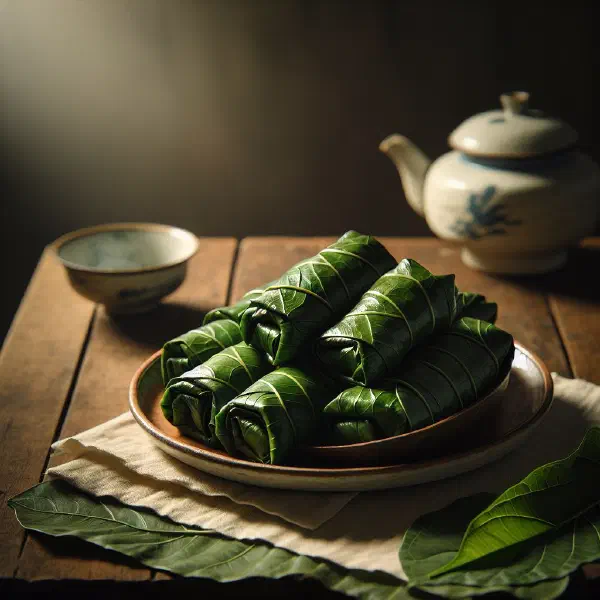
- Taro Leaf Rolls
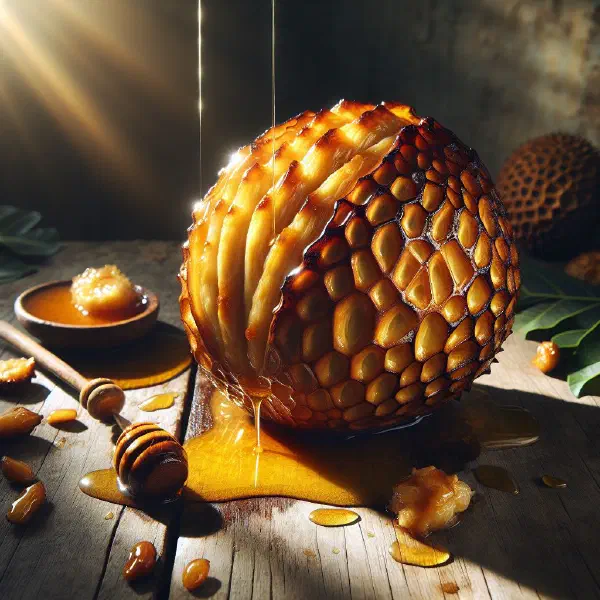
- Roasted Breadfruit With Honey
- Tapioca Pudding
Summary: Tuluk
Tuluk is a simple yet richly satisfying dish that deliciously reflects the traditions and flavours of the Solomon Islands. Thanks to its many possible variations, it can be adapted to suit any palate, offering the perfect culinary window into the cooking of this Pacific region. Wrap, steam and enjoy, and let this island classic bring a taste of the tropics to your table.