National Dish Somalia: Bariis Ishkukaro (Recipe)
In this article
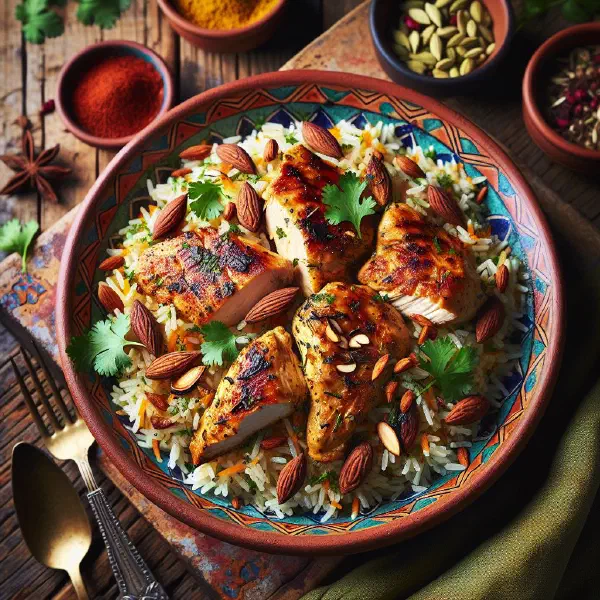
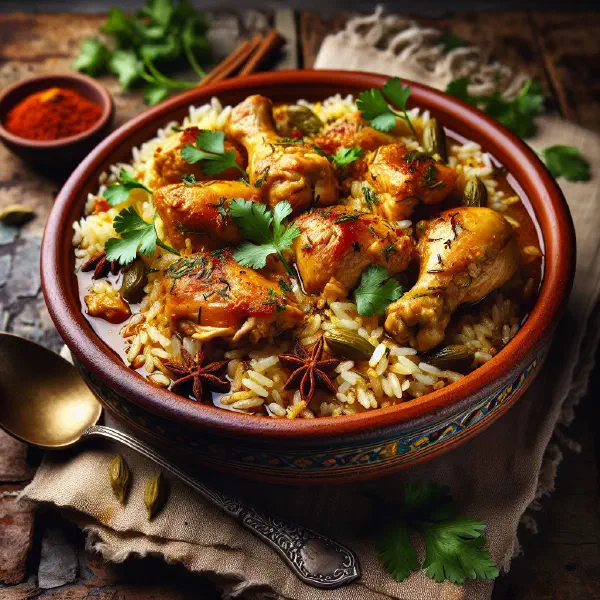
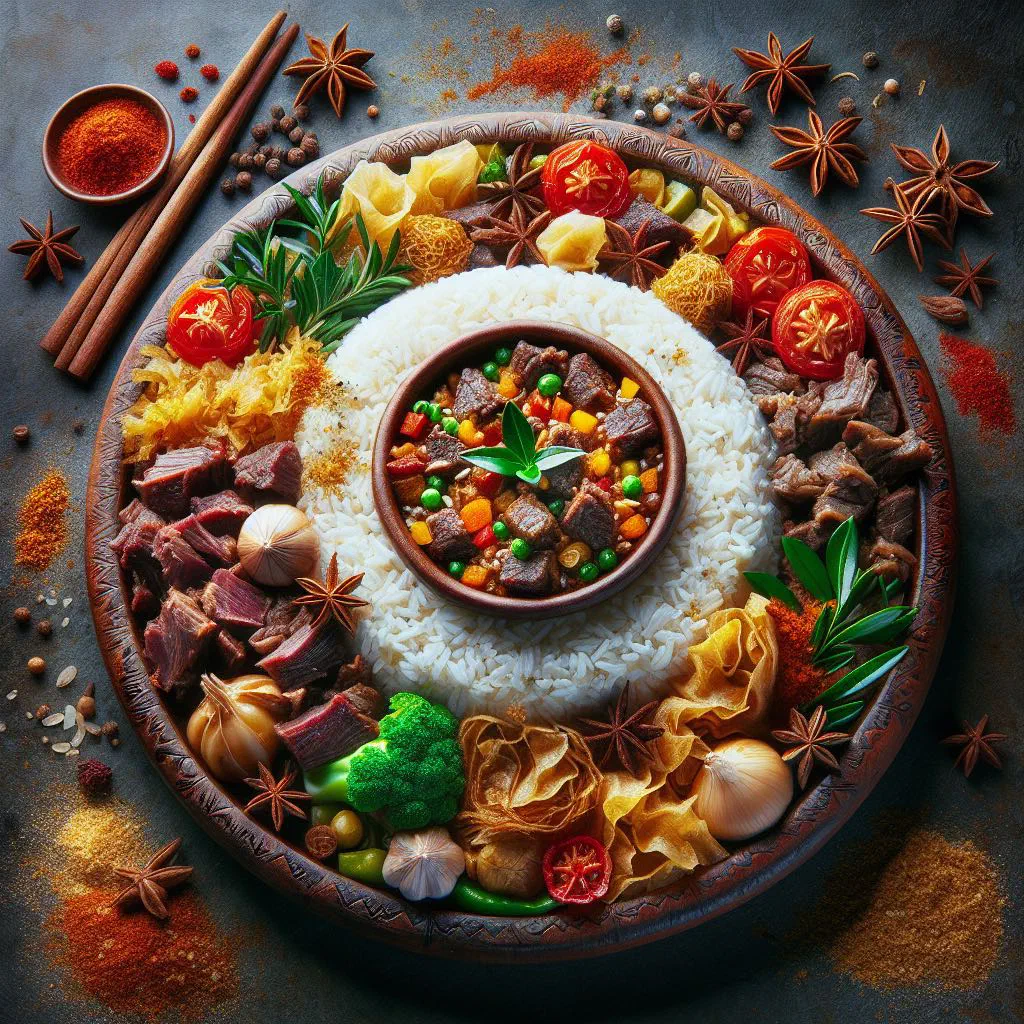
Bariis Iskukaris is spiced rice with meat, and the spice blend is xawaash: cumin, coriander, cardamom, cinnamon, cloves and black pepper, toasted and ground. It is the smell of a Somali kitchen and it goes into almost everything.
About Bariis Ishkukaro
Rice arrived in Somalia through Indian Ocean trade along with the spices that season it, and the dish shows both. Meat is browned with onion and xawaash, then rice cooks in the resulting broth.
Somalis serve bananas alongside rice as a matter of course. It surprises visitors and it works.
Ingredients (serves 1–2)
- 1 cup basmati rice
- 1 chicken breast, cut into pieces
- 1 onion, chopped
- 2 garlic cloves, chopped
- 1 tomato, diced
- 1 carrot, sliced
- 1 potato, diced
- 1 teaspoon cumin
- 1 teaspoon ground coriander
- 1 teaspoon turmeric
- 1 teaspoon paprika
- Salt and pepper to taste
- 2 tablespoons vegetable oil
- 2 cups water
Shopping for the ingredients
Xawaash is sold ready-made in Somali and East African shops and is worth buying rather than approximating. Basmati, soaked. Goat or lamb on the bone gives a better broth than chicken breast.
Preparing the dish
Soak and drain the rice. Brown the onion properly, well past golden, which is where the colour of the finished dish comes from. Toast the spices in the oil before liquid goes in.
Step-by-step instructions
- Heat the vegetable oil in a large pan and fry the chopped onion and garlic until deep golden brown.
- Add the chicken pieces and brown them all over.
- Stir in the tomato, carrot and potato and cook for a few minutes more.
- Add the spices and stir well to coat everything, cooking 1 minute until fragrant.
- Pour in the soaked rice and the water, stir once and bring to the boil.
- Reduce the heat, cover the pan and let the dish simmer gently for about 20 minutes, without stirring.
- Rest 10 minutes off the heat, season with salt and pepper, and serve.
Gluten-free / lactose-free version
The dish contains no gluten and no dairy. Check a shop-bought xawaash blend, though most are pure spice.
Tips for vegans and vegetarians
Chickpeas, carrot and potato in the spiced rice make a real Somali dish. Vegetable stock, and keep the xawaash, which does the work. Sambusa with a vegetable filling is the other option.
More tips and tricks
Toast the spices in oil before liquid. Do not stir the rice once it is cooking. And serve a banana on the side, which is genuinely how Somalis eat it and improves the plate more than it sounds.
Adapting the recipe to your taste
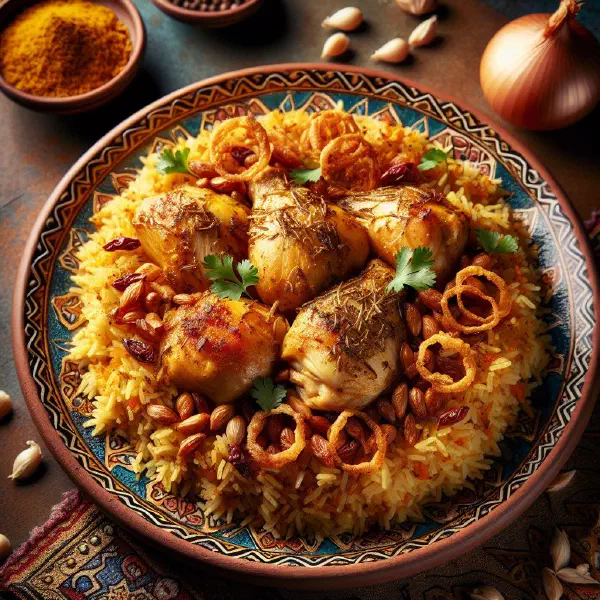
Raisins and fried onions on top for guests. Basbaas, the green chilli and coriander sauce, on the table. Goat makes the festive version.
Ingredient substitutions
Goat, lamb or chicken. Ghee in place of oil is richer. A pre-mixed xawaash saves measuring six spices.
Drink pairing ideas
Somali tea, shaah, with cardamom, cinnamon and milk. Water with the meal. Camel milk in rural areas.
Serving and presentation ideas
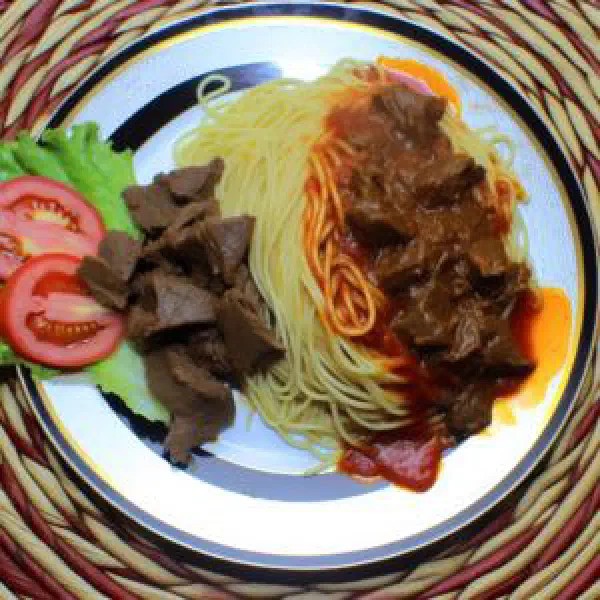
Serve it on a large platter, meat over rice, with banana, salad and basbaas on the side. Everyone eats from the shared dish with the right hand. It is not portioned individually.
A bit of history
Somalia has one of the longest coastlines in Africa and its ports were trading with Arabia, Persia and India for two thousand years. The spice blend records that history precisely. Rice remains an imported staple. The dish anchors Somali cuisine.
More recipe ideas
Summary: Bariis Ishkukaro
Bariis iskukaris is meat browned with xawaash and rice cooked in the broth. Toast the spices in oil, leave the rice alone, and serve a banana on the side.