National Dish Somalia: Bariis Isku-dhis (Recipe)
In this article
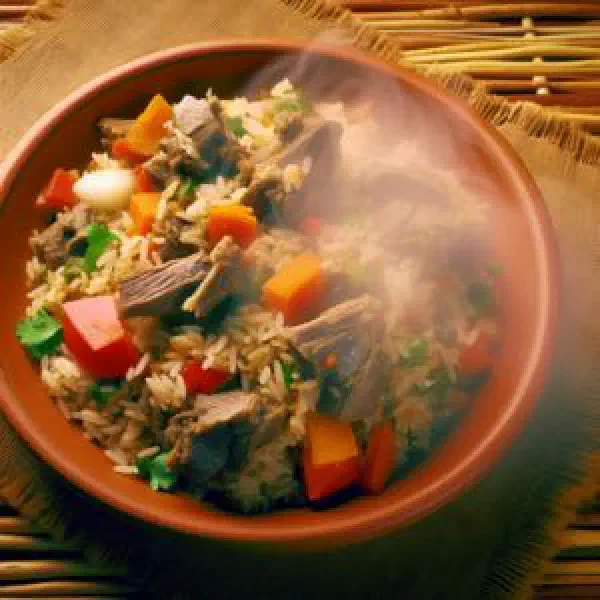
Discover Bariis Isku-dhis, the fragrant rice dish at the heart of Somali cooking. Fluffy basmati rice is simmered with tender pieces of meat and a warm blend of spices until every grain carries the aroma of the pot. It is the kind of food that appears at weddings and celebrations, yet is simple enough for a weeknight supper. One plateful and you will understand why Somalis consider it a symbol of hospitality.
About Bariis Isku-dhis
Bariis Isku-dhis is one of the best known and best loved dishes in Somali cooking. It is a hearty rice dish enjoyed both at festive gatherings and as everyday family food. The recipe brings together aromatic basmati rice, tender pieces of meat and a carefully judged selection of spices that make it the highlight of any meal. Cooking Bariis Isku-dhis is a genuine celebration of flavour, and a fine way to explore the rich culinary traditions of Somalia.
Ingredients (serves 1–2)
- 1 cup basmati rice
- 250 g lamb or beef, cubed
- 1 onion, finely chopped
- 2 garlic cloves, chopped
- 1 teaspoon cumin
- 1 teaspoon ground coriander
- 1 teaspoon turmeric
- 2 cups water
- Salt to taste
- Pepper to taste
- Oil for frying
- Fresh coriander leaves, to garnish
Shopping for the ingredients
When shopping for Bariis Isku-dhis it pays to look closely at the quality of what you buy. Fresh basmati rice gives the dish its characteristic flavour and its light, fluffy texture. Choose good, fresh meat as well, since this is where much of the depth of flavour comes from. Spices such as cumin, coriander and turmeric are decisive for an authentic taste, so seek out jars that still smell strongly aromatic rather than dusty packets that have sat in the cupboard for years.
Preparing the dish
Preparing Bariis Isku-dhis is straightforward and takes only a few steps. Begin by rinsing the rice thoroughly to wash away the excess starch, which is what keeps the grains loose and fluffy during cooking. Cut the meat into evenly sized cubes so that everything cooks at the same rate. Measure out all the spices in advance to make the cooking itself far more relaxed, the same unhurried approach that suits a slow-simmered Maraq.
Step-by-step instructions
- Soak the rice in cold water and leave it to rest for about 30 minutes.
- Heat the oil in a pan and fry the onion until translucent.
- Add the garlic and fry briefly, then add the meat.
- Brown the meat lightly, then stir in the spices along with salt and pepper.
- Pour in the water, bring to the boil and let the meat simmer for around 30 minutes.
- Add the soaked rice and stir gently to combine.
- Cover the pan and cook the rice over low heat until the liquid has been absorbed.
- Take off the heat and rest for about 10 minutes, then garnish with fresh coriander leaves.
Gluten-free / lactose-free version
Bariis Isku-dhis is naturally gluten-free and lactose-free, since it is built from rice and fresh whole ingredients. Simply avoid spice blends or ready-made sauces that may contain wheat so the dish keeps that quality. Working with unprocessed ingredients of good quality is the surest way to keep it suitable for special diets. That means everyone at the table can enjoy it without a second thought.
Tips for vegans and vegetarians
For a vegan or vegetarian version of Bariis Isku-dhis, replace the meat with a plant protein such as chickpeas or tofu. Both give a satisfying bite and bring plenty of nutrients of their own. Prepare the spices exactly as in the original recipe and use vegetable stock in place of water to deepen the flavour. The result stays every bit as aromatic and filling, much like a comforting Somali Lentil Stew.
More tips and tricks
To improve both the flavour and the texture of Bariis Isku-dhis, stir extra vegetables such as carrots or peas into the rice. They add colour to the plate and lift the nutritional value at the same time. Remember to adjust the cooking time according to the size and type of vegetable you use. Another easy upgrade is a scattering of lightly toasted nuts such as almonds or cashews over the top, which gives a welcome crunch against the soft rice.
Adapting the recipe to your taste
Bariis Isku-dhis takes happily to personal adjustment. If you prefer things hotter, add freshly chopped chilli or a pinch of cayenne pepper. For a sweeter note, fold in raisins or dried apricots towards the end of cooking. Playing with spices and additions is a great way to shape the dish around your own palate without losing the distinctly Somali character that defines it.
Ingredient substitutions
If basmati rice is not available, other varieties such as jasmine or short-grain rice will also work. Each brings a different texture that can make the eating experience genuinely interesting in its own way. Those who eat less meat might reach for seitan or another plant protein instead, or take inspiration from Beef Suqaar and adjust the cut accordingly. Be creative with the ingredients and discover the many ways this dish can be varied.
Drink pairing ideas
The right drink completes the experience of Bariis Isku-dhis. A refreshing mint tea is an excellent choice, as it sits beautifully alongside the warm spices and cleanses the palate between mouthfuls. A cold ginger beer or a lightly sweetened soft drink works just as well to round off the flavours, and a cup of Somali Tea makes a fine finish to the meal. Experiment a little and you will soon find your favourite pairing.
Serving and presentation ideas
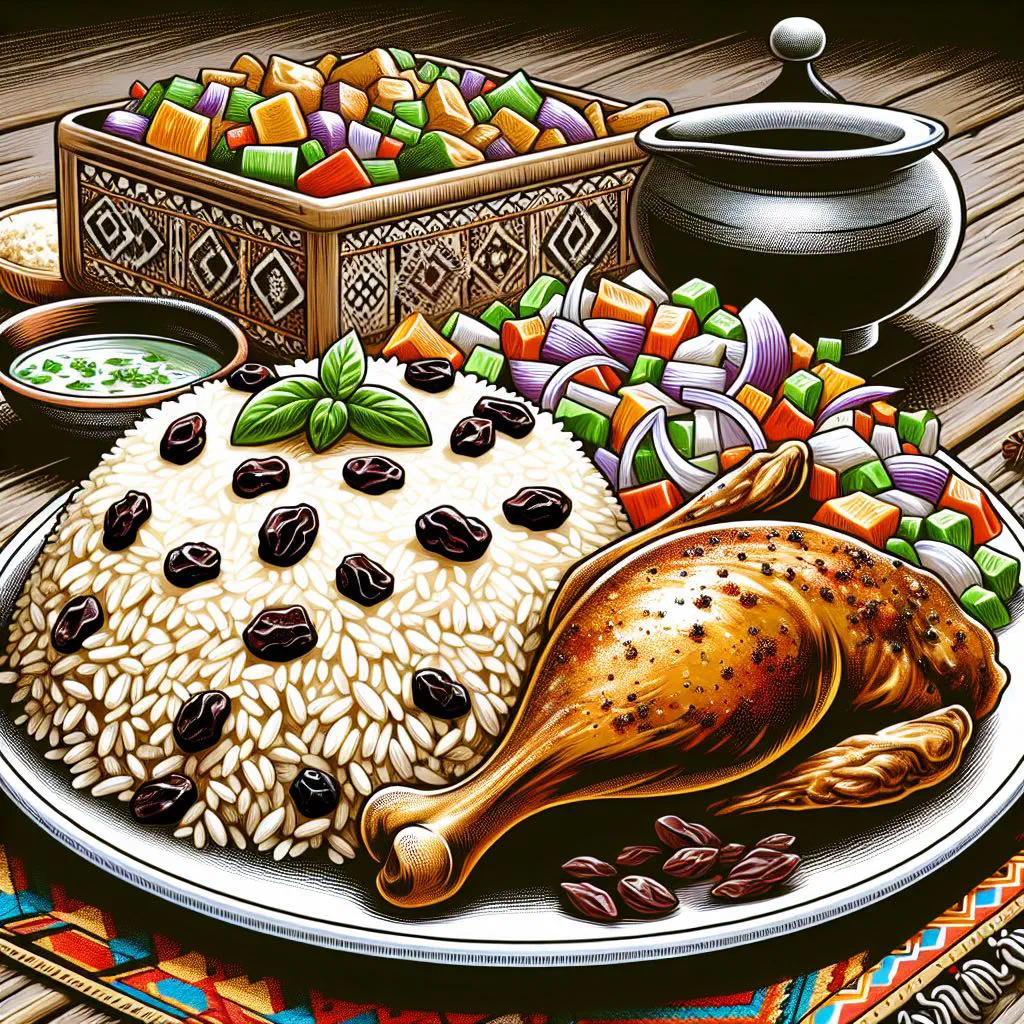
Presentation matters a great deal in Somali culture. Serve Bariis Isku-dhis on a large platter or in a wide bowl and garnish it with freshly chopped coriander along with a few toasted nuts or dried fruits. A colourful salad spread alongside makes a fine accompaniment and rounds off the whole picture. Above all, serve the dish warm so that the aromas are at their most inviting.
A bit of history
Bariis Isku-dhis has deep roots in Somali history and is a prime example of a cuisine shaped by many cultures. The generous use of spices and rice reflects Somalia’s trading past as a crossroads between East Africa and the Middle East. The dish is often served at celebrations and special occasions, where it is a symbol of hospitality in Somali cuisine. It is more than a meal. It is a link to Somali identity and tradition.
More recipe ideas
Summary: Bariis Isku-dhis
In short, Bariis Isku-dhis is a flavourful and versatile dish that defines much of Somali cooking. With its rich blend of spices, tender meat and fragrant rice, it is proof of the country’s varied and generous flavours. It offers a culinary experience that appeals to the senses and gathers the family around the table. Dive into Somali culture and discover everything this dish has to offer.