National Dish Somalia: Falafel Somali Style (Recipe)
In this article
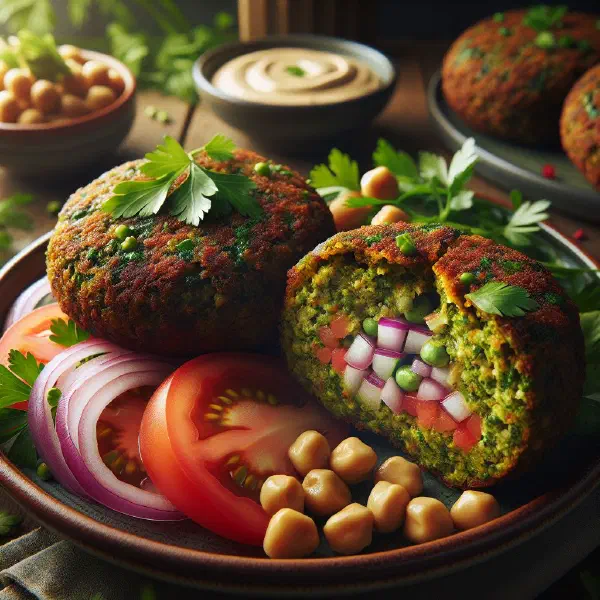
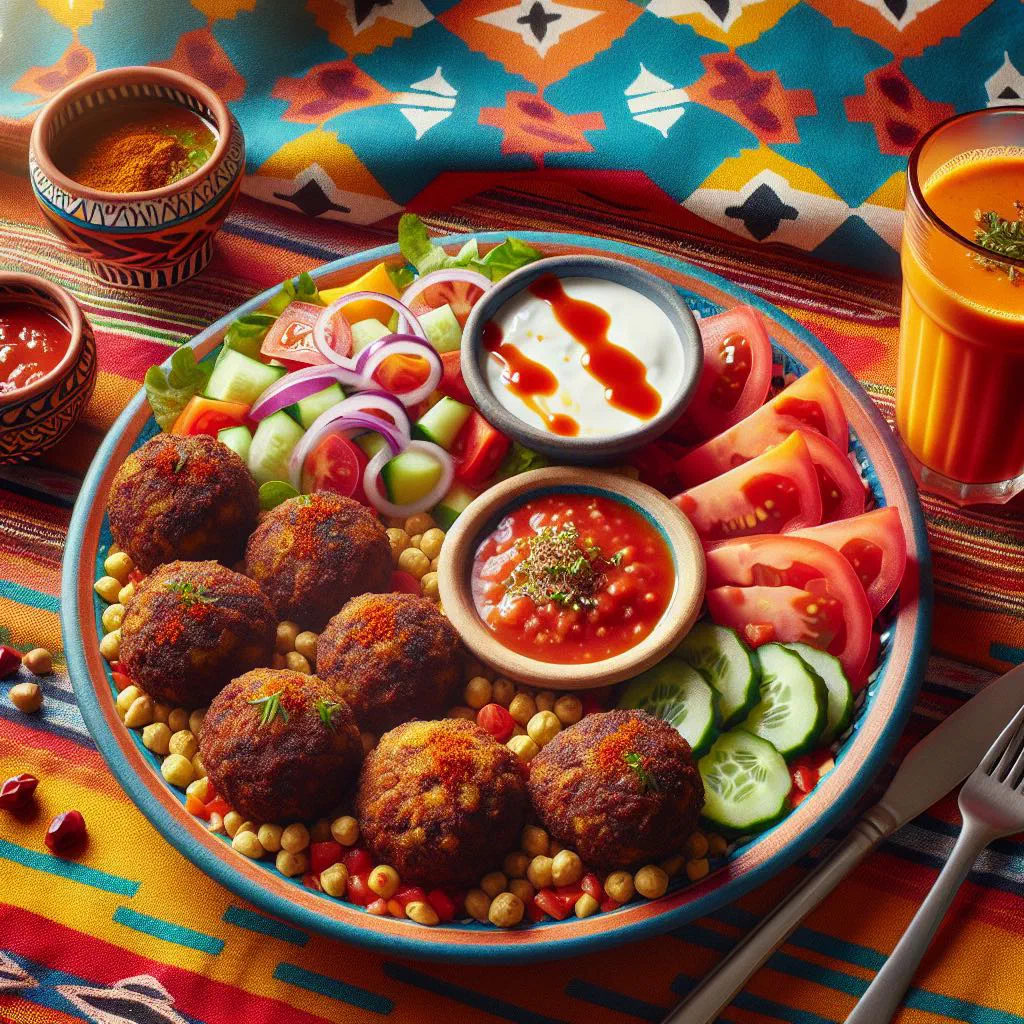
Crisp on the outside, fragrant and herby within, Falafel Somali Style is one of those small pleasures that turns a simple bowl of chickpeas into something memorable. Fried until deep golden and served warm with crunchy raw vegetables and a generous drizzle of sauce, these little balls are eaten across Somalia as both a quick street snack and a proper meal. They are easy to make at home, endlessly adaptable, and naturally suited to plant-based eating.
About Falafel Somali Style
Falafel Somali Style is a traditional dish made from chickpeas that is enjoyed just as happily as a snack as it is as a main course. What sets it apart is the crisp bite and the warm, spiced aroma that reflects Somalia’s rich culture and history. Preparation is refreshingly straightforward, yet it leaves plenty of room to vary the dish according to your own preferences. Serve the falafel with a selection of fresh vegetables and a good sauce for a genuinely memorable plate of food.
Ingredients (serves 1–2)
- 1 cup dried chickpeas, soaked overnight
- 1 small onion, diced
- 2 cloves of garlic, chopped
- 1 teaspoon cumin
- 1 teaspoon coriander
- Salt and pepper to taste
- Oil for frying
- Fresh vegetables (tomatoes, cucumber, lettuce)
- A spiced sauce (tahini or a hot sauce)
Shopping for the ingredients
To gather the ingredients for falafel Somali style, head for a well-stocked supermarket or a specialist international grocer. Chickpeas are normally found in the pulses aisle, sold dried by the bag. Spices such as cumin and coriander often turn up in the wholefood section or in small dedicated spice shops, where the quality tends to be noticeably better. For the fresh vegetables, a greengrocer or market stall usually offers a wider and fresher choice than the supermarket.
Preparing the dish
Preparing falafel Somali style takes only a handful of steps, but plenty of care and patience. Begin by soaking the chickpeas overnight, as this improves both their texture and the finished flavour. The next day, once the chickpeas have drained thoroughly, prepare the remaining ingredients, onion, garlic and the spices, ready for blending. The coarser you keep the mixture, the crunchier your falafel will be once fried.
Step-by-step instructions
- Drain the chickpeas and put them in a food processor with the onion, garlic, cumin, coriander, salt and pepper.
- Blend the mixture until it forms a coarse, mouldable paste.
- Shape the mixture into small balls and set them out on a plate.
- Heat the oil in a deep pan and fry the balls in batches until golden brown.
- Drain the falafel on kitchen paper and serve warm with fresh vegetables and sauce.
Gluten-free / lactose-free version
Falafel Somali style is naturally gluten-free and lactose-free, which makes it an excellent choice for anyone with those intolerances. It is worth paying attention to the sauces and side dishes you serve alongside, though. Avoid heavily processed sauces that may contain gluten or dairy, yoghurt-based dressings in particular, and reach instead for tahini or another plant-based option. That way the dish can be adapted precisely to your needs.
Tips for vegans and vegetarians
Because falafel Somali style is already vegan, it makes a superb protein-rich option for anyone eating plant-based. To make it even more nourishing, stir extra pulses or a little quinoa into the mixture. When it comes to sides, choose creative salads or vegetables rich in vitamins and minerals, a bright Somali Salad With Lime works beautifully here. Vary the sauces too, and you will keep discovering new flavours that complement the dish.
More tips and tricks
For the best results, avoid blending the mixture for too long, as it can easily turn mushy. A coarse texture is what gives falafel their characteristic structure. Use a thermometer to hit the ideal frying temperature of around 180°C, so the balls colour evenly and turn perfectly golden. Finally, do experiment with different herbs and spices to give your falafel a personal twist.
Adapting the recipe to your taste
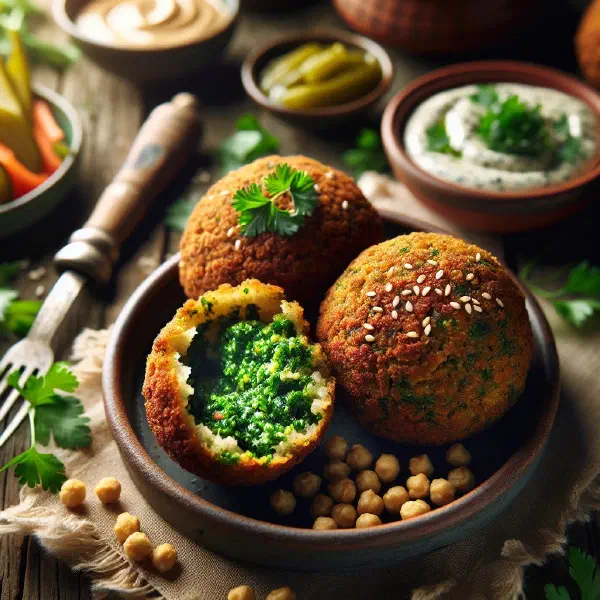
Falafel Somali style is remarkably adaptable and easy to adjust to personal preference. You might add spices such as chilli or paprika to create a hotter version, for instance. Other variations include folding in spinach or fresh herbs like parsley and coriander for extra depth of flavour. The beauty of this dish is that it is both simple and flexible, so you can reinvent it every time you make it.
Ingredient substitutions
If you have no chickpeas to hand, swap in black beans or lentils for a delicious if slightly different take on falafel, much like the pulses that carry a Somali Lentil Stew. For the sauce, hummus or an avocado spread both add welcome freshness. If you would rather avoid deep-frying altogether, baking the balls in the oven makes a lighter option. The method stays essentially the same and the flavour holds up well.
Drink pairing ideas
A number of drinks go splendidly with falafel Somali style. A refreshing mint water or a fruity iced tea balances the spiced aromas nicely, while a hot cup of Somali Tea offers a more traditional accompaniment. Fresh juices work well too, as does a light lager if you fancy something with a bit of body.
Serving and presentation ideas
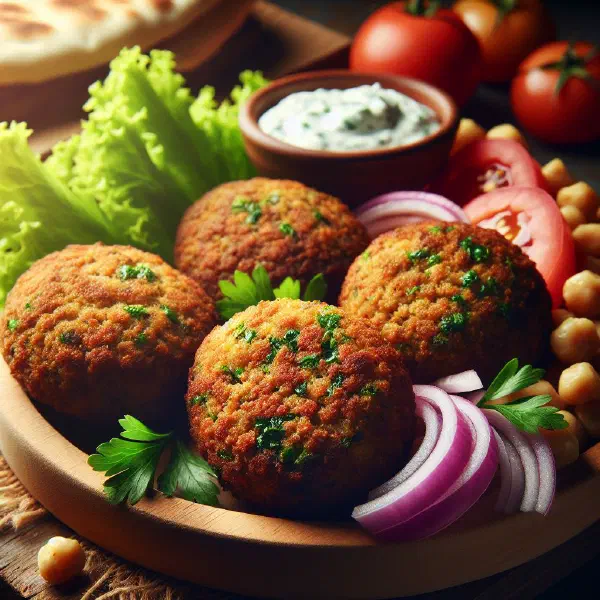
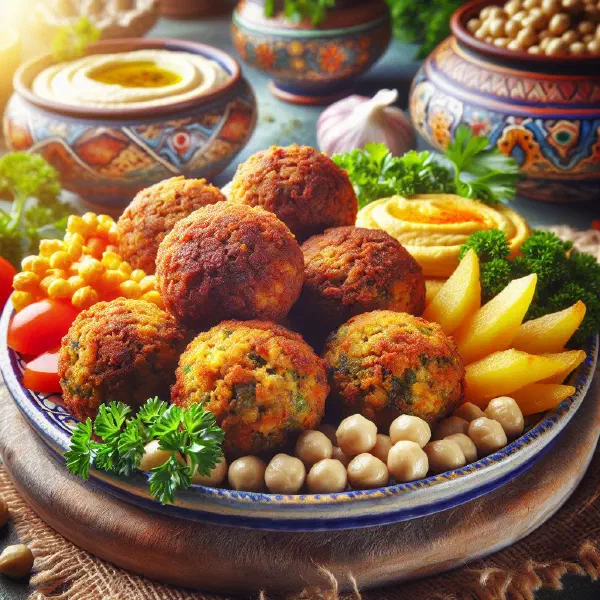
The presentation of your falafel can be lifted with a few simple touches. Serve the balls on a bed of crisp salad leaves with a colourful spread of vegetables around them. Garnish the plate with fresh herbs or edible flowers for a genuine wow effect. Attractive serving platters also do a great deal to improve the overall experience and impress your guests, especially when the falafel share the table with a plate of Sambusa.
A bit of history
The origins of falafel run deep through the history of the wider region, but over the years the dish has evolved in Somalia to reflect local traditions and tastes. It is widely believed that falafel goes back to the ancient Egyptians, who fried similar balls made from other pulses. In Somalia, however, it has become a food with real symbolic weight, passed down from one generation to the next. It shows how a culinary tradition can shape not only daily life but the identity of a country, something you sense across all of Somali cuisine.
More recipe ideas
Summary: Falafel Somali Style
Falafel Somali style is a delicious example of Somalia’s rich culinary tradition, offering a real variety of flavours and textures. It is simple to prepare and endlessly adaptable, which makes it a perfect choice for both snacks and main meals. Whether for a barbecue, a celebration or as part of a well-planned dinner, these falafel will win your guests over. Experiment with the preparation and discover the many facets of Somali cooking for yourself.