National Dish Somalia: Lafaha (Recipe)
In this article
Meet Lafaha, a warming Somali classic that packs the flavours of the Horn of Africa into a single pan. Tender pieces of meat are simmered slowly with carrots, peppers and a fragrant blend of cumin and cinnamon until everything turns rich and mellow. It is the kind of dish that appears at weddings and holidays, yet it is simple enough to bring to a weeknight table. Serve it with rice or warm flatbread and let the aromas do the rest.
About Lafaha
Lafaha is a traditional Somali dish that captures the country’s culinary variety in every mouthful. It brings together lean meat, a mix of warming spices and fresh vegetables to create something that is hearty and wholesome at the same time. Making Lafaha usually calls for a little time and care, which is exactly what turns it into a proper celebration meal. Whether at weddings, on holidays or for special occasions, Lafaha often takes pride of place on the festive table.
Ingredients (serves 1–2)
- 250 g lean meat (beef or lamb, for example)
- 1 onion, diced
- 2 carrots, sliced
- 1 pepper, diced
- 2 garlic cloves, chopped
- 1 teaspoon cumin
- 1 teaspoon cinnamon
- Salt and pepper to taste
- 2 tablespoons olive oil
- 1 cup water or stock
Shopping for the ingredients
To make Lafaha properly, it is worth choosing good-quality ingredients. Visit your local market or grocery shop for fresh meat and vegetables. Make sure the meat is genuinely lean, as this matters for both flavour and healthiness. Spices such as cumin and cinnamon are stocked by most supermarkets, and specialist spice shops will carry the fresher, more aromatic versions if you want to go a step further, the same blends that give a Somali Beef Curry its depth.
Preparing the dish
Good preparation is what makes any dish succeed. Begin by chopping the vegetables and cutting the meat into evenly sized cubes. This ensures everything cooks at the same rate and the flavours have a chance to blend properly. It also helps to line up your spices in advance so you can reach for them easily while cooking. Have every ingredient laid out before you start, and the whole process becomes far more relaxed.
Step-by-step instructions
- Heat the olive oil in a large pan over medium heat.
- Add the onions and garlic and fry until softened.
- Add the diced meat and brown it on all sides.
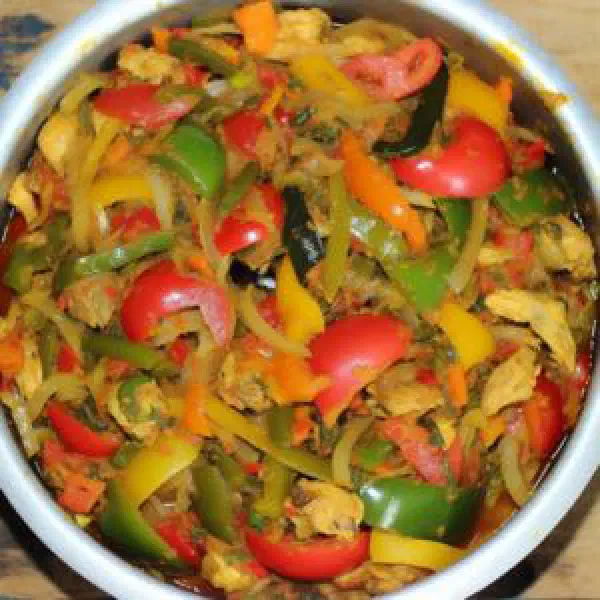
- Stir in the carrots and pepper and fry for a few minutes more.
- Scatter over the spices (cumin, cinnamon, salt and pepper) and mix everything well.
- Pour in the water or stock and let it simmer gently for 30–40 minutes.
- Once the cooking time is up, check the consistency and seasoning and adjust as needed.
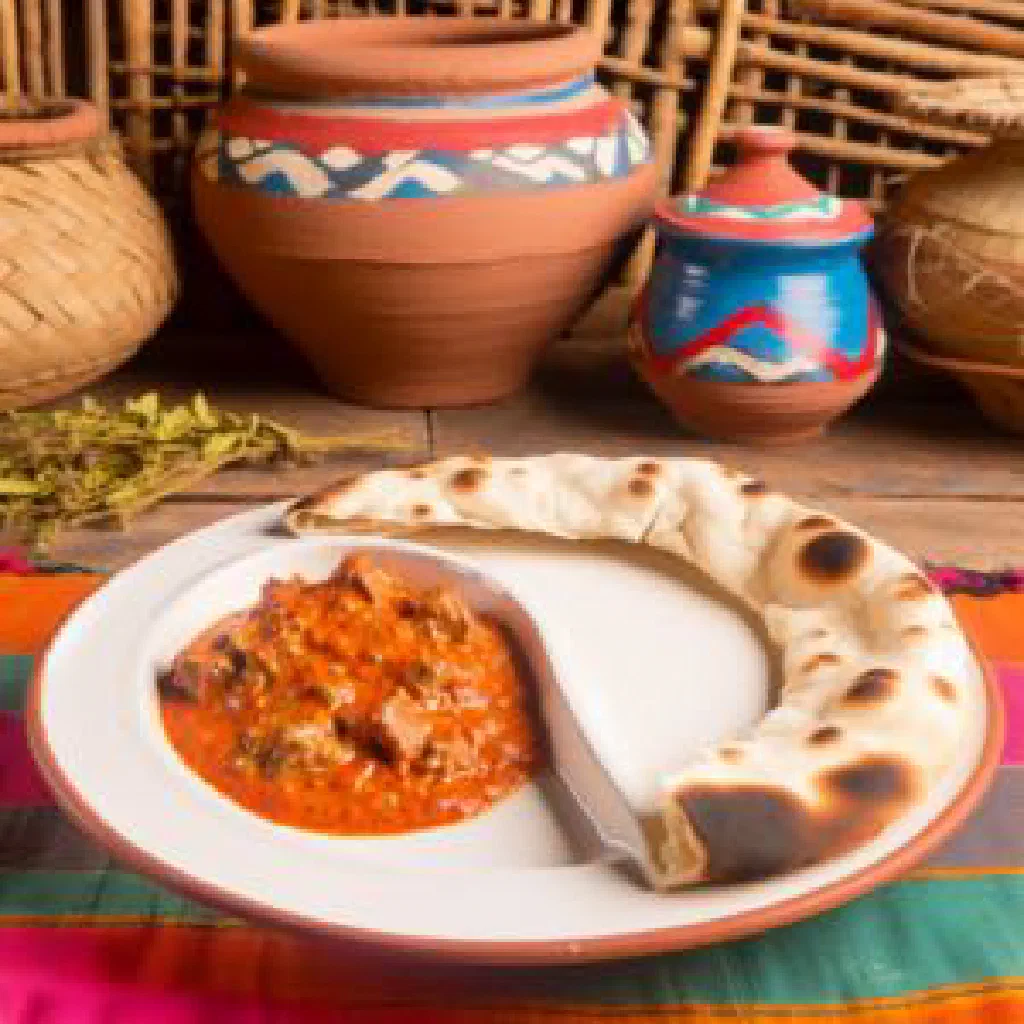
- Serve Lafaha hot, ideally with rice or flatbread.
Gluten-free / lactose-free version
Lafaha is very easy to make gluten-free and lactose-free. Simply keep to plain, unseasoned meat and avoid stock that may contain gluten. Water works perfectly well instead and still lets the spices shine. Choosing vegetables that are naturally free from gluten makes the dish suitable for just about every dietary need, and served with rice rather than bread it stays entirely safe.
Tips for vegans and vegetarians
For a vegan or vegetarian version, swap the meat for tofu or chickpeas. Both provide the texture and protein the dish needs. You can keep the same spices and vegetables so the character of Lafaha comes through unchanged. Do adjust the cooking times, though, since plant-based ingredients generally cook faster than meat, a trick that also works nicely in a Somali Lentil Stew.
More tips and tricks
To deepen the aroma of Lafaha even further, add fresh herbs such as coriander or parsley a few minutes before the end of cooking. They bring a bright, fresh note that lifts the whole pan. It is also worth experimenting with different vegetables to discover new flavour combinations. You can adjust the consistency to taste as well, simply by adding more or less liquid as it simmers.
Adapting the recipe to your taste
One of the best things about Somali cuisine is how flexible it is. You can tailor Lafaha entirely to your own preferences by adding extra spices or dialling things back for a milder result. If you like heat, stir in some chilli or hot paprika. Just make sure any changes sit harmoniously with the overall flavour so the dish stays balanced.
Ingredient substitutions
If some ingredients are not available, there is almost always an alternative offering a similar texture or taste. Instead of beef you might use chicken or game, whichever suits you best. The vegetables can be swapped around too, courgette in place of carrots, for instance. Substitutions like these keep the recipe varied and make it appealing across a range of tastes.
Drink pairing ideas
Lafaha goes beautifully with spiced tea or fruity lemonades, both of which complement the spices in the dish. A cup of Somali Tea after the meal is very much the traditional finish. A light red wine or a rosé can also work if you prefer something alcoholic. Keep the drinks light rather than heavy so they support the flavours instead of competing with them.
Serving and presentation ideas
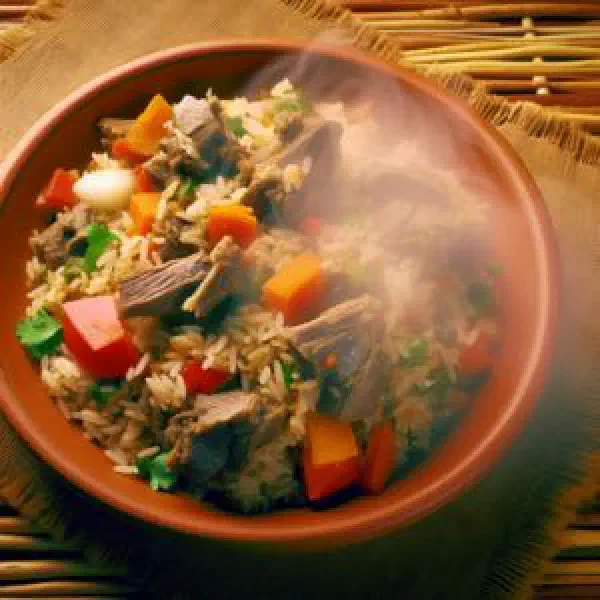
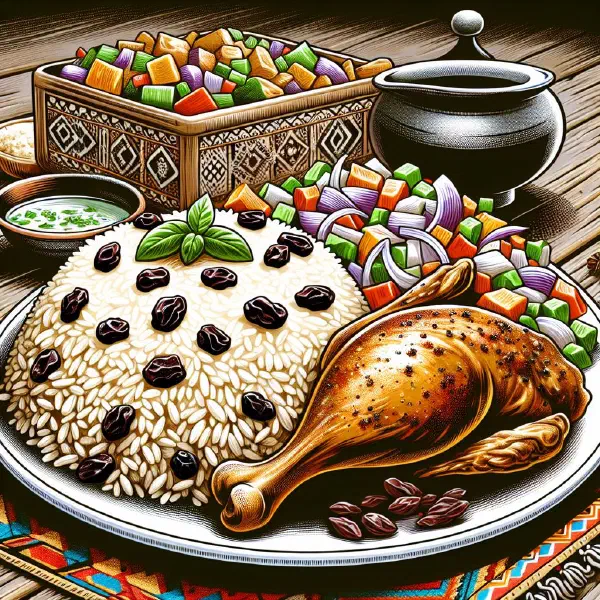
Presentation plays a real part in how a meal is received. Serve Lafaha in a large bowl and garnish it with fresh herbs or toasted nuts. Offer colourful vegetable sides alongside, plus accents such as fried onions. A handsome plate or a well-arranged serving spread does a great deal to make the dish look as good as it tastes.
A bit of history
Somali cooking, Lafaha included, has been shaped strongly by the country’s geography and history. Techniques and ingredients developed over centuries, drawing on influences from the Middle East, India and Italy. Lafaha established itself as a firm favourite because it reflects the Somali tradition of community and sharing. It is not merely a dish but a symbol of hospitality and cultural heritage in Somalia.
More recipe ideas
Summary: Lafaha
In short, Lafaha is a delicious and nourishing dish that brings the flavours of Somalia straight into your kitchen. The combination of lean meat, fresh vegetables and aromatic spices makes it a genuine feast. It suits special occasions and quiet evenings at home equally well. Let the aromas tempt you and give this traditional dish a try for a meal you will remember.