National Dish Somalia: Maraq Fahfah (Recipe)
In this article
Meet Maraq Fahfah, the hearty soup that sits at the very heart of Somali home cooking. Tender meat, garden vegetables and a warm handful of spices simmer together into something far greater than the sum of its parts. In Somalia this bowl means more than dinner: it is shared at family gatherings, poured out for guests and set on the table at every celebration. Make it once and you will understand why it has never gone out of fashion.
About Maraq Fahfah
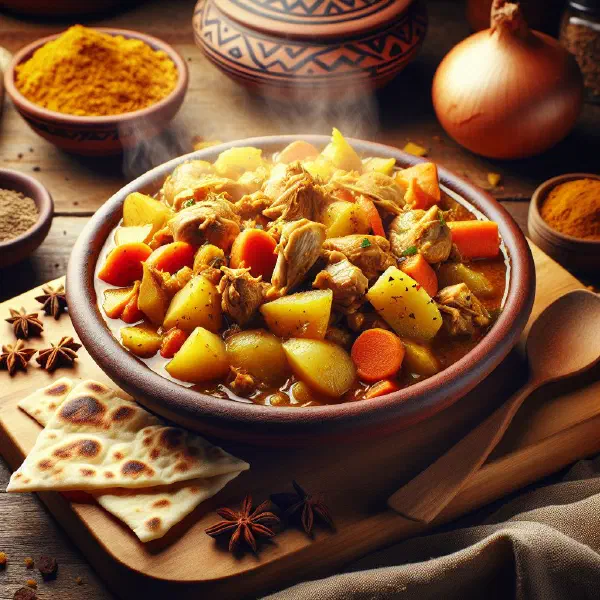
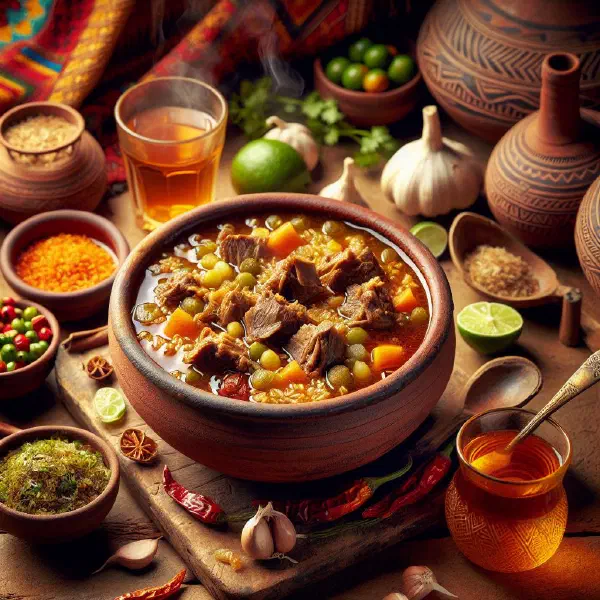
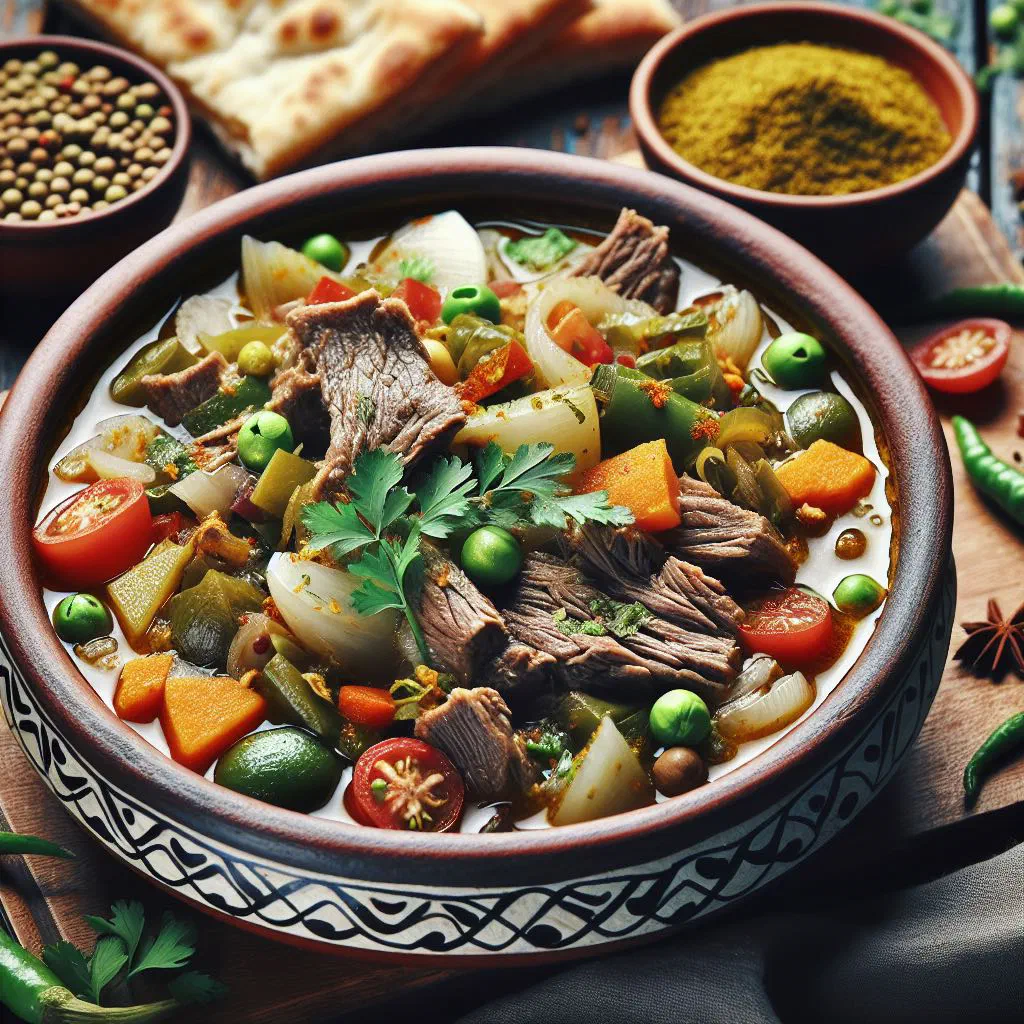
Maraq Fahfah is a traditional Somali national dish that brings together a wide range of flavours and ingredients in a single pot. The soup is built from fresh vegetables, tender meat and a harmonious blend of aromatic spices. In Somalia it is not merely a source of nourishment but a symbol of family bonds and hospitality. This dish carries a piece of Somali culture into any kitchen.
Ingredients (serves 1–2)
- 200 g lamb or beef, diced
- 1 large onion, chopped
- 2 carrots, sliced
- 1 potato, diced
- 2–3 tomatoes, chopped
- 1 litre water or stock
- 2–3 tablespoons vegetable oil
- Salt and pepper to taste
- Optional: coriander or parsley, to garnish
Shopping for the ingredients
For a good maraq fahfah you want fresh, high-quality ingredients. Choose organic vegetables wherever you can, the flavour of the finished soup depends heavily on how fresh everything is, particularly the spices and the meat. A large supermarket will cover the basics, but a Middle Eastern or East African grocer often stocks the specialist Somali spice blends that make the dish taste properly authentic.
Preparing the dish
Before you start cooking maraq fahfah, get all your ingredients thoroughly prepared. Slicing the vegetables and dicing the meat are the first jobs to tackle. Make sure everything is cut to a similar size so it cooks through at the same rate. Good preparation not only saves time at the stove, it also gives you a far more balanced result in the bowl.
Step-by-step instructions
- Heat the vegetable oil in a large pan over a medium heat.
- Add the chopped onion and fry until golden brown.
- Add the diced meat and brown it well on all sides.
- Stir in the carrots and potato and fry everything for a further 5 minutes.
- Add the chopped tomatoes to the pan and let them soften for a few minutes.
- Pour in the water or stock and bring the whole thing to the boil.
- Reduce the heat and simmer for at least 30 minutes, until the meat is tender.
- Season with salt and pepper and garnish with coriander or parsley to taste.
Gluten-free / lactose-free version
The recipe for maraq fahfah is naturally gluten-free and lactose-free, since it contains neither grain products nor dairy. That makes it an excellent choice for anyone with a corresponding intolerance or allergy. Do check shop-bought stock for hidden ingredients that may contain gluten, or use homemade stock so you have full control over what goes into the pot.
Tips for vegans and vegetarians
For a vegan or vegetarian version of maraq fahfah, simply replace the meat with extra vegetables and pulses. Chickpeas or lentils are excellent sources of protein and add a pleasing texture at the same time, much as they do in a Somali Lentil Stew. Use vegetable stock in place of meat stock to keep that same savoury depth. The dish stays every bit as nourishing while fitting a plant-based diet.
More tips and tricks
To get the very best from your maraq fahfah, adjust it with different spices and herbs. Cumin, cinnamon or ginger can all be added during cooking to intensify the aromas. Experiment with different vegetables to tune the soup to your own taste. Remember that the quality of your ingredients has an enormous influence on the finished bowl, so choose them wisely.
Adapting the recipe to your taste
The great thing about maraq fahfah is how versatile the recipe is. You can adapt it freely by trying different vegetables or cuts of meat, and a change of spice blend can transform the character of the soup entirely. Be creative and shape the dish around your own preferences or those of your guests, so everyone at the table gets a portion they genuinely enjoy.
Ingredient substitutions
If you cannot track down particular ingredients for maraq fahfah, there are plenty of alternatives. Instead of lamb or beef you might use chicken, which needs a shorter cooking time, or even tofu for a vegetarian option. In place of fresh tomatoes, tomato purée from a tube works well and deepens the flavour. Do not be shy about finding creative solutions.
Drink pairing ideas
A number of drinks suit a bowl of maraq fahfah and carry its flavours nicely. A light summer beer or a refreshing mint water makes a perfect accompaniment. For an alcohol-free option, consider a fruity iced tea, a lime lemonade, or a glass of sweet, cardamom-scented Somali Tea. The right drink rounds off the meal and supports the flavours rather than competing with them.
Serving and presentation ideas
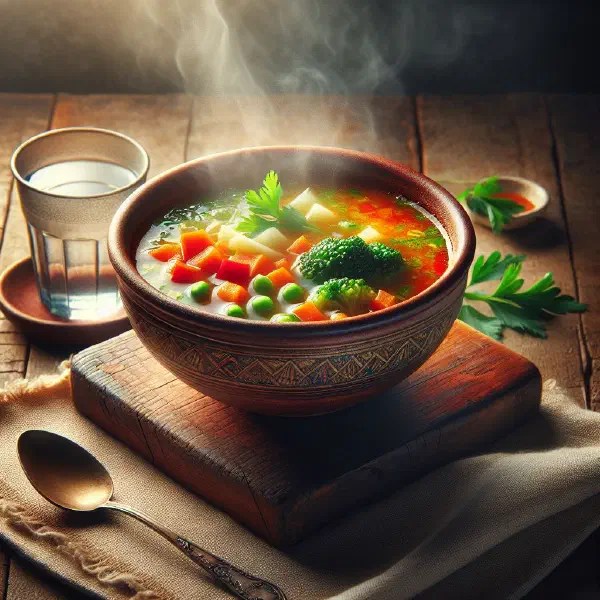
Presentation makes a real difference to how maraq fahfah is enjoyed. Serve the soup in handsome deep bowls and garnish it with fresh coriander or parsley. A piece of flatbread on the side, Canjeero is the classic choice, gives the meal an extra traditional touch. Think about colour too: a bright mix of vegetables makes the dish look as good as it tastes.
A bit of history
Maraq fahfah has a rich cultural history closely bound up with Somali tradition. Soups like this one are often cooked for large families or during celebrations, as a way of strengthening the community. The dish embodies the culinary variety of Somali cuisine and the values of hospitality and sharing that matter so much in the culture. Cooking and serving it keeps that heritage alive.
More recipe ideas
Summary: Maraq Fahfah
Maraq fahfah is more than just a soup; it is a piece of Somali culture and tradition. The combination of fresh vegetables, tender meat and aromatic spices makes this meal a genuine pleasure. Maraq fahfah brings warmth and flavour to every bowl. Give this dish a go and experience Somali hospitality right in your own home.