National Dish Somalia: Rooti Soomaali (Recipe)
In this article
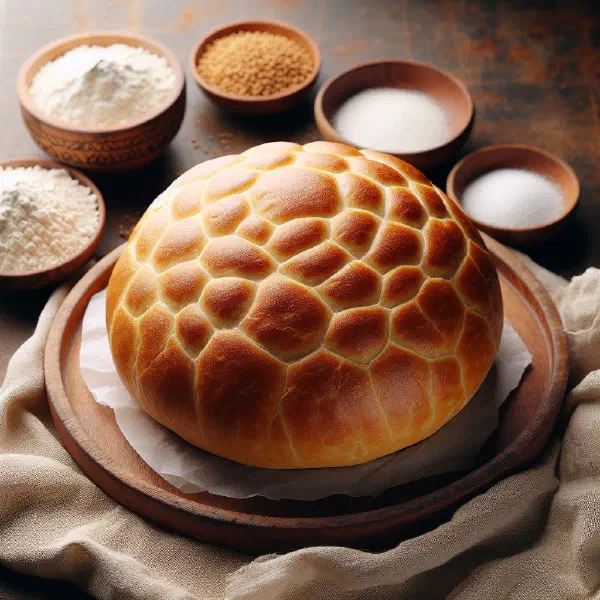
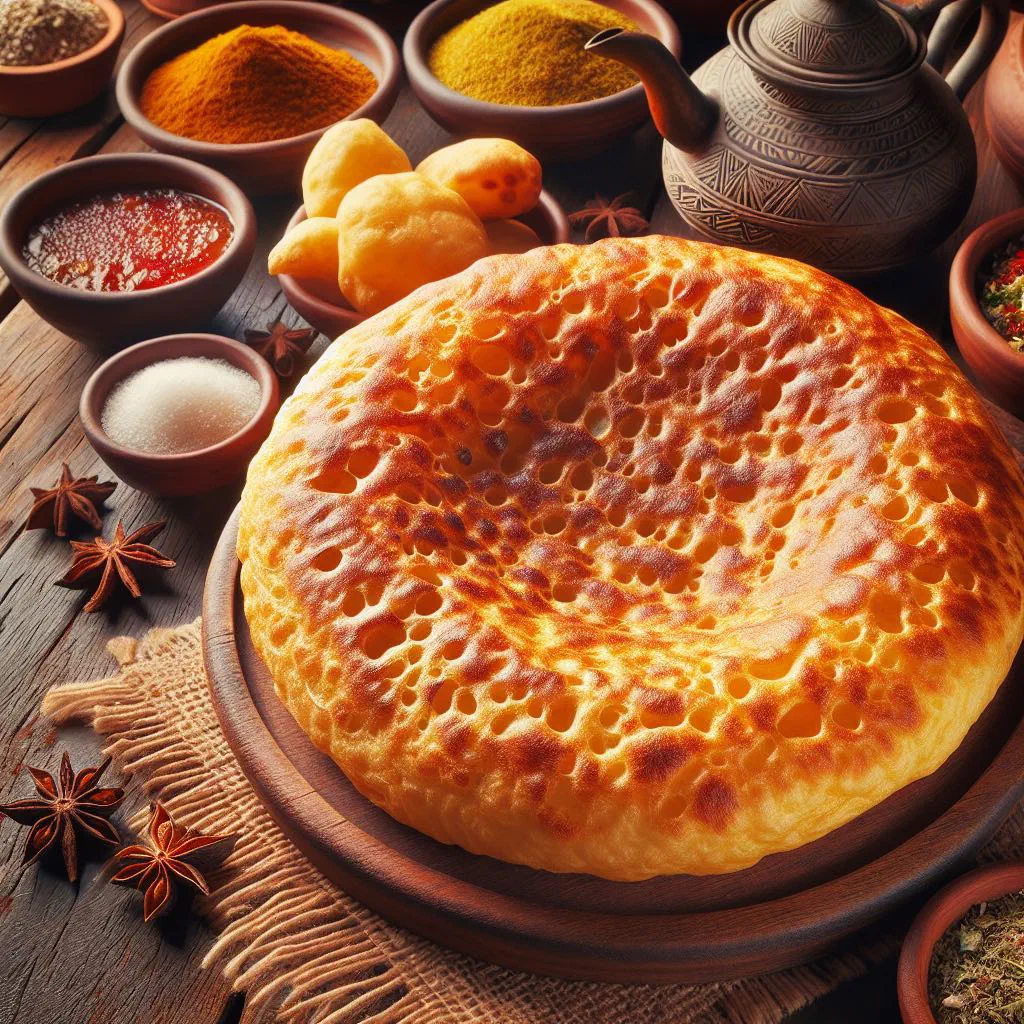
Few things say welcome in a Somali home quite like a warm stack of Rooti Soomaali. This unassuming flatbread asks for nothing more than flour, water and a pinch of salt, yet it turns out light, pliable and gently golden from the pan. It is the bread that mops up stews, cradles sauces and holds a table together, simple enough for a weekday supper, generous enough for a celebration.
About Rooti Soomaali
Rooti Soomaali is far more than a plain flatbread; it is a cornerstone of Somali culture and a fixture at traditional meals. Making it calls for simple but good-quality ingredients, fresh flour, water and salt, which together give a wonderfully airy result. At festivities and family gatherings this bread is a sign of hospitality, usually served with an assortment of sauces and side dishes such as a fragrant Maraq. It is not only a culinary highlight but a way of nurturing community and tradition.
Ingredients (serves 1–2)
- 250 g wheat flour, or a gluten-free alternative
- 150 ml water
- 1 pinch of salt
- Oil for frying (optional)
Shopping for the ingredients
Rooti Soomaali needs only basic ingredients, all of which are stocked by most supermarkets. Wheat flour is the main component, though it can be swapped for gluten-free flour where necessary. Look for good-quality flour when you shop, as it makes a noticeable difference to the finished bread. Water may be an everyday ingredient, but it should still be fresh and clean so the quality of the dough is not compromised.
Preparing the dish
Before you start on Rooti Soomaali, it pays to have everything to hand. Measure the ingredients carefully and make sure your work surface is clean and ready for rolling and baking. Get your frying pan or baking tray out in advance too; it makes the whole process considerably easier. Good preparation is the be-all and end-all of any successful recipe.
Step-by-step instructions
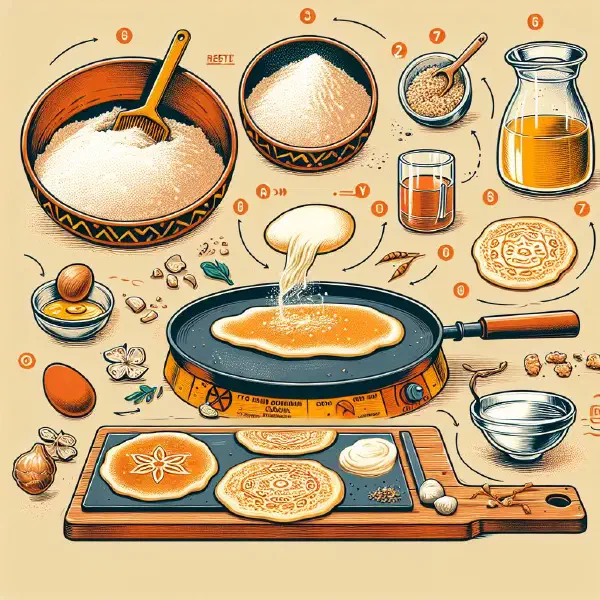
- Combine the flour and the salt in a large bowl.
- Add the water slowly and knead by hand until you have a smooth dough.
- Divide the dough into small portions and shape them into balls.
- Roll the balls out thinly on a lightly floured surface.
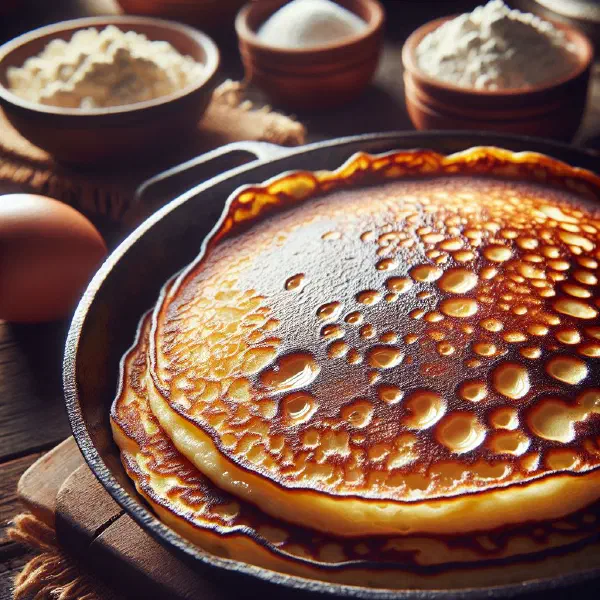
- Heat a pan over medium heat and cook the flatbreads one at a time until lightly golden brown.
- Optional: brush with a little oil for extra flavour.
Gluten-free / lactose-free version
Making Rooti Soomaali gluten-free is straightforward once you choose a suitable flour alternative. Plenty of supermarkets and health food shops carry dedicated gluten-free blends that bake beautifully. Just check that the remaining ingredients are gluten-free as well. As for a lactose-free version, no milk or dairy is needed at any stage, so the traditional recipe is already lactose-free by nature.
Tips for vegans and vegetarians
Rooti Soomaali is naturally vegan, since it consists of nothing but flour, water and salt. For an extra dimension of flavour you can work in herbs or spices that suit a plant-based diet. Try serving it with your favourite pesto or a bowl of hummus. These work not only as dips but genuinely enrich the whole bread experience, much as they do alongside crisp Bajiya.
More tips and tricks
To get the very best from your Rooti Soomaali, a few pointers are worth keeping in mind. Watch the heat of your pan: too high and the bread scorches on the outside while staying raw within. A medium heat is ideal for even results. Adding particular spices, such as cumin or coriander, also gives the bread an interesting aromatic note.
Adapting the recipe to your taste
Everyone has their own preferences when it comes to Rooti Soomaali. The texture can sometimes be improved by working in extra ingredients such as yoghurt or a little oil. Experiment with different types of flour to discover which one you like most. The aim is to create a bread that is perfectly matched to your personal taste.
Ingredient substitutions
There are many ways to vary Rooti Soomaali by reaching for alternative ingredients. Instead of wheat flour you might use rice flour or millet flour to keep the bread gluten-free. A proportion of wholemeal flour is another good option, lending the loaf more fibre and a nuttier character. When experimenting, remember to adjust the amount of liquid accordingly.
Drink pairing ideas
A good drink can lift the Rooti Soomaali experience considerably. Classic Somali choices such as spiced Somali Tea or freshly pressed juice go remarkably well with the flatbread. A simple herbal or spiced tea blend makes an equally refreshing option. The key is that the drink should support the flavours of the food rather than drown them out.
Serving and presentation ideas
The way you serve Rooti Soomaali can have a real influence on the overall impression of the meal. Place the bread straight from the pan onto a warm plate, perhaps with a spoonful of a contemporary sauce or a colourful salad beside it. An attractive presentation does more than whet the appetite. It turns the meal into an occasion. A few fresh herbs as a garnish are a lovely finishing touch.
A bit of history
Rooti Soomaali has a long and fascinating history, rooted deep in Somali culture. It was never regarded as mere sustenance but as a symbol of community and of sharing. Over the years the flatbread has absorbed many variations and adaptations from neighbouring culinary worlds. It remains a wonderful way of celebrating and passing on Somali identity, and a fine introduction to Somali cuisine.
More recipe ideas
Summary: Rooti Soomaali
In short, Rooti Soomaali is a versatile and traditional flatbread that is as easy to make as it is important to the Somali kitchen. With the right ingredients and a little care in the pan, it becomes the perfect companion to countless dishes. The scope for adaptation is endless, leaving plenty of room for your own personal touch. Enjoy this delicious bread and share a little of Somali culture with your friends and family.