National Dish South Africa: Biltong (Recipe)
In this article
Discover Biltong, a savoury air-dried meat that captures the taste of South Africa in every slice. Cured with vinegar and warm spices, it delivers a deep, tangy flavour quite unlike anything else, and it keeps beautifully for snacking on the go. Pack it for a hike or simply enjoy a handful straight from the jar, this South African classic brings a genuine slice of the country into your kitchen.
About Biltong
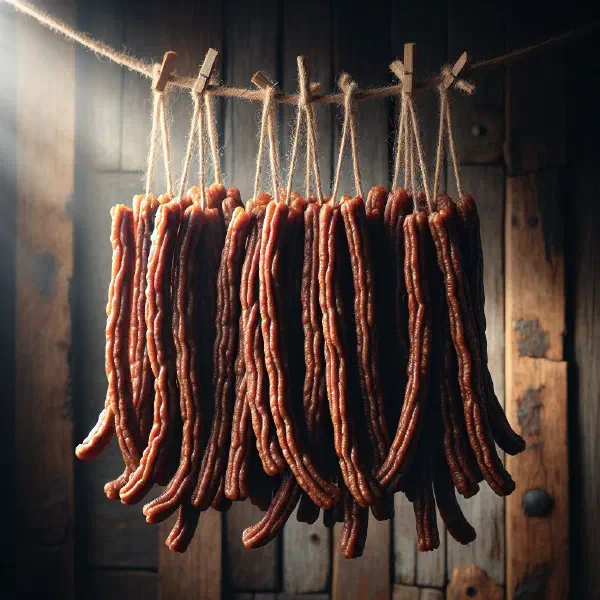
Biltong is a traditional dried meat from South Africa, celebrated for its unmistakable taste and its distinctive method of preparation. It was first made by the region’s indigenous peoples and later by European settlers as a way of preserving meat for the long term. Unlike jerky, another well-known dried meat, biltong is cured chiefly with vinegar, spices and a touch of acidity, which gives it a wonderfully unique flavour. Thanks to the many different spice blends and cuts of meat that can be used, there are countless variations of biltong, making it a remarkably versatile snack.
Ingredients (serves 1–2)
- 500 g beef (as lean as possible)
- 100 ml red wine vinegar
- 2 tablespoons coriander seeds (whole and coarsely crushed)
- 1 tablespoon black peppercorns (coarsely ground)
- 1 tablespoon brown sugar
- 1 teaspoon sea salt
- Optional: chilli powder for heat
Shopping for the ingredients
To make the perfect biltong, it is important to choose quality ingredients. Visit a local butcher or a good deli to find fresh, lean beef. Look for meat that is well aged, as this improves the flavour of the finished product considerably. Spices such as coriander and black peppercorns are easy to find on any well-stocked spice shelf or in a specialist spice shop, and they form the backbone of that classic South African flavour.
Preparing the dish
Preparing biltong involves a few simple steps that are nonetheless crucial to the end result. First, cut the beef into even strips so that it dries uniformly. Next, mix all the spices with the red wine vinegar to make a marinade. Lay the strips of meat in the marinade and leave them to steep in the fridge for several hours or overnight, allowing the aromas to develop fully.
Step-by-step instructions
- Cut the beef into strips roughly 1–2 cm thick.
- In a bowl, combine the red wine vinegar, coriander seeds, pepper, sugar and salt.
- Marinate the strips of meat in the mixture and leave them in the fridge for at least 6 hours.
- Hang the marinated meat in a cool, well-ventilated place, or use a food dehydrator.
- Dry the meat for 3–7 days, depending on the thickness of the strips and how dry you like it.
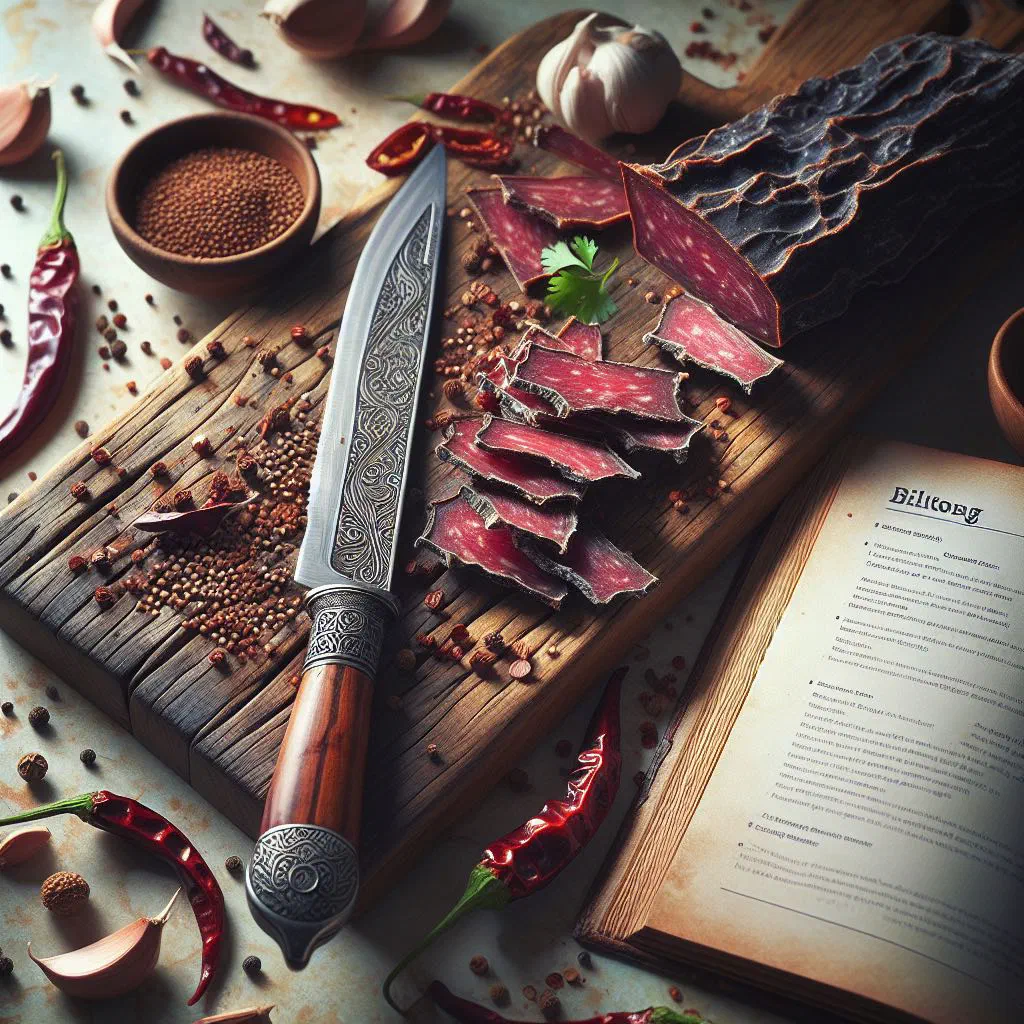
- Once the biltong is firm and dry, slice it thinly and enjoy.
Gluten-free / lactose-free version
Biltong is naturally gluten-free and lactose-free, which makes it a perfect snack for anyone with an intolerance. Just make sure the spices you use are also free from gluten-containing ingredients, so the finished product is suitable for everyone. The red wine vinegar in the marinade contributes to its gluten-free quality too. Biltong therefore offers a wonderfully uncomplicated snack option for all.
Tips for vegans and vegetarians
For those who live a vegan or vegetarian lifestyle, there are creative alternatives to biltong that can deliver the same savoury punch. One option is to use aubergine or soya, marinated in spices similar to those in traditional biltong but dried in a dehydrator. Sun-dried tomatoes also make a lovely, hearty snack. With the right spices and careful drying, plant-based snacks can develop incomparable flavours that call biltong to mind, much like a well-seasoned Spiced Bean Salad.
More tips and tricks
To get the very best from your biltong, there are a few handy tips worth keeping in mind. Experimenting with different spice blends brings out new flavours and makes your biltong more personal. You can also vary the drying times if you prefer it softer or firmer. Be sure to store the biltong in an airtight container to keep it fresh.
Adapting the recipe to your taste
The best thing about the recipe for biltong is the versatility it offers. You can adjust the spices and marinade entirely to your personal preference. Fancy a spicier biltong? Add more chilli powder or experiment with different types of paprika. For a sweeter note, an extra drizzle of honey or a pinch of cinnamon can be intriguing and give the snack an exciting twist.
Ingredient substitutions
There are several alternatives for the ingredients in a biltong recipe that can create a similar effect or vary the flavour. Instead of red wine vinegar, you can use white wine vinegar or cider vinegar to give the meat a different character. In place of beef, game such as venison or wild boar works beautifully for biltong, the same rich flavours you would find in a hearty Venison Pie. You can even lean the recipe towards a vegetable-based version if you prefer.
Drink pairing ideas
The right drink can greatly enhance your biltong experience. Traditionally, biltong is served with a good red wine or a refreshing beer, both of which complement the flavours of the dried meat wonderfully. For an alcohol-free choice, an ice-cold ginger tea could be an exciting option that lifts the flavours. On warmer days, fruit juices or sparkling drinks also pair well, adding a touch of refreshment to the savoury snack.
Serving and presentation ideas
Presenting your biltong can be simple yet appealing. Serve it, for example, on a rustic wooden board alongside olives, nuts and cheese for a stylish snack platter, a spread that sits happily next to a slice of Biltong And Cheese Quiche. You could also offer small dishes of different dips, such as mustard or chilli sauce. Thoughtful decorative touches like dried herbs or fresh berries lend the whole arrangement a special note.
A bit of history
Biltong has a long and fascinating history, woven deeply into South African culture. It was originally developed by the Khoisan peoples to preserve meat, and later adopted by European settlers. The drying method was especially practical for travelling across the rugged landscapes of Africa. The word “biltong” comes from the Dutch bil (rump) and tong (strip), describing the way the meat is cut, a story that speaks to the heart of South African cuisine.
More recipe ideas
Summary: Biltong
In summary, biltong is a delicious snack and a way to bring a piece of South African culture into your kitchen. Its straightforward preparation and the freedom to tailor the flavours to your own liking make it a perfect treat for any occasion.