National Dish South Korea: Agujjim (Recipe)
In this article
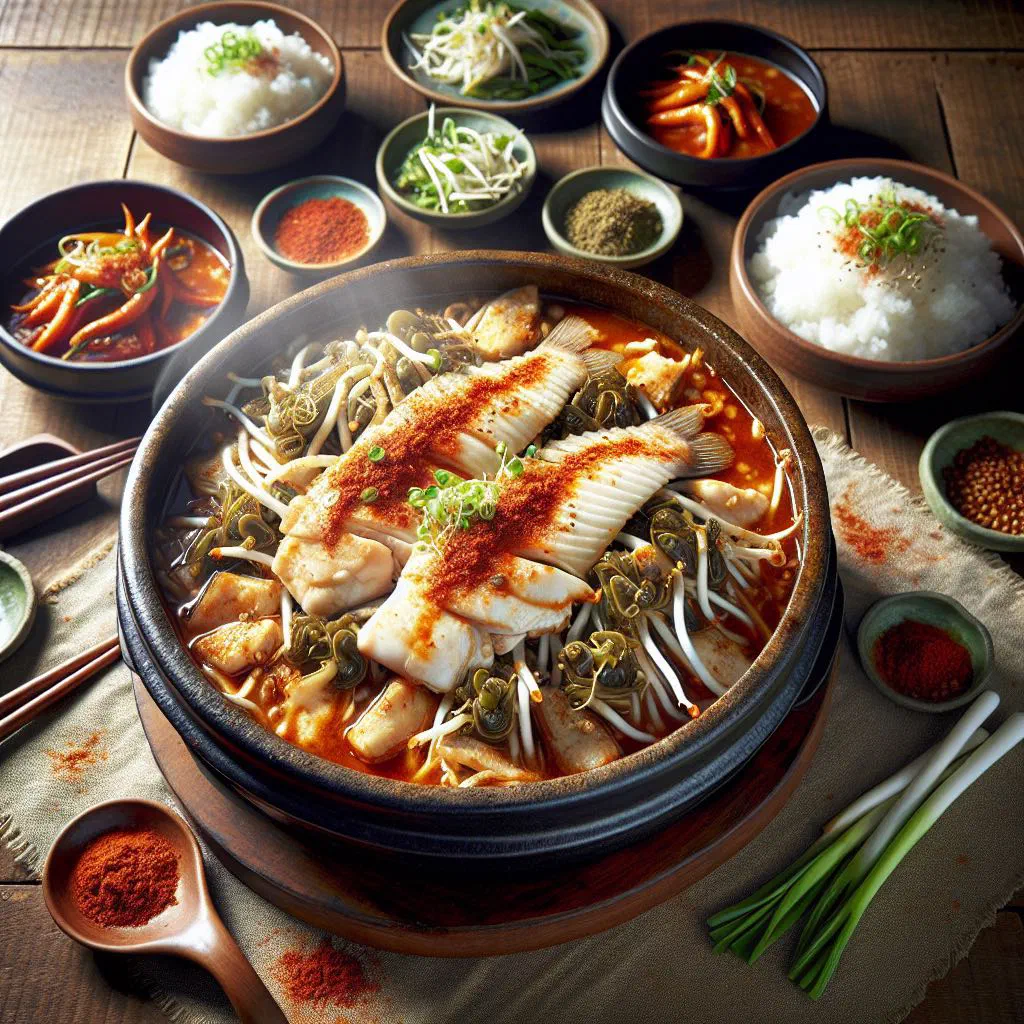
Say hello to Agujjim, a bright Korean steamed dish that proves healthy eating need never be dull. Tender fish and crisp vegetables are bathed in a savoury marinade of soy, garlic and ginger, then gently steamed so every flavour stays bright and clean. It is the kind of meal that feels light yet deeply satisfying, a wonderful introduction to the fresh, balanced spirit of Korean cooking, brought straight to your own table.
About Agujjim
Agujjim is a traditional Korean steamed dish celebrated for its freshly prepared ingredients and bold, layered flavours. It is built around tender cod and fresh vegetables, lifted by a savoury marinade of soy sauce, garlic and ginger. Cooking it in a steamer does more than concentrate the taste. It also preserves the nutrients in the ingredients, giving you a dish that is as wholesome as it is delicious. It is an ideal choice for anyone who loves healthy, light meals and has a soft spot for the flavours of Asian cooking.
Ingredients (serves 1–2)
- 300 g cod fillet
- 1 courgette
- 1 carrot
- 2 spring onions
- 3 tablespoons soy sauce
- 1 tablespoon sesame oil
- 2 cloves garlic, chopped
- 1 piece of ginger, grated
- 3 teaspoons sugar
- Chilli, to taste
Shopping for the ingredients
To make the most of agujjim, buy your ingredients as fresh as possible. Pop into your local supermarket or an Asian grocery to track down everything you need. Pay particular attention to the quality of the cod, as it is the star of the dish. Crisp vegetables such as courgette and carrot bring the all-important crunch and aroma, so choose firm, seasonal produce where you can.
Preparing the dish
Preparing agujjim is refreshingly simple and stress-free. Start by cutting the cod into bite-sized pieces, then slice the courgette and carrot into thin rounds. Cut the spring onions into rings. The key step is the marinade: combine the soy sauce, garlic, ginger, sugar and sesame oil in a bowl and mix thoroughly until everything is well blended.
Step-by-step instructions
- Place all the ingredients in a large bowl and mix well.
- Transfer the marinated ingredients to a steamer.
- Set the steamer to medium heat and steam for 15–20 minutes.
- Once steamed, arrange the dish on plates and serve.
Gluten-free / lactose-free version
For a gluten-free version of agujjim, simply use gluten-free soy sauce. It is now stocked in most supermarkets and delivers a very similar flavour without the gluten. Check that the other ingredients, your vegetables and oils, are lactose-free as well. That way the dish is delicious and suitable for anyone with particular dietary needs.
Tips for vegans and vegetarians
Agujjim adapts beautifully to a vegan or vegetarian diet. Simply swap the cod for tofu, tempeh or an extra selection of vegetables such as broccoli or peppers. The marinade and the method stay exactly the same. This lets plant-based eaters enjoy the same lovely flavours and the same healthy preparation, much like the meat-free spirit of Dubu Kimchi.
More tips and tricks
The secret to a great agujjim lies in the steaming. Make sure the water in the steamer stays at a gentle simmer and that the ingredients are spread out evenly so everything cooks at the same rate. A scattering of fresh herbs adds a welcome note of freshness and a pop of green colour to the finished plate.
Adapting the recipe to your taste
The real joy of agujjim is how easily its flavour can be tuned. Adjust the marinade to suit your own preferences as you please. Like things hotter? Add more chilli. Prefer it less sweet? Hold back on the sugar. Each small tweak can shift the overall taste in a wonderful way and bring the dish in line with your personal preferences, so every batch offers a slightly different experience.
Ingredient substitutions
If you have no cod to hand, or would rather avoid it, there are plenty of alternatives. A range of other fish or seafood works well. Try salmon or prawns. On the vegetable side, aubergine or spinach make great stand-ins. These swaps let you experiment with the recipe and create your own favourite version of agujjim, keeping things lively and varied. The same playful approach to seafood shines in Ojingeo Bokkeum.
Drink pairing ideas
The best partners for agujjim are Asian teas, which cleanse the palate between bites and sharpen the flavours. Green tea is a particularly good choice, as it never masks the dish while still being good for you. For a little more variety, a fruity soju or a lightly fizzy rosé adds a refreshing edge. Together they round out the meal into a complete, balanced experience.
Serving and presentation ideas
Presentation can lift the whole agujjim experience. Serve the dish on elegant plates and garnish with fresh herbs and a sprinkle of sesame seeds. A stylish steamer platter lets you bring the food straight from the steamer to the table. A thoughtful table setting with Asian touches rounds off the atmosphere and adds to the enjoyment of the meal.
A bit of history
Agujjim has its roots in Korean cuisine and showcases the traditional cooking methods, steaming chief among them, that define so much of the country’s food. More than a treat for the palate, the dish reflects the philosophy of Korean cooking, which prizes healthy, fresh ingredients above all. Historically it was often served at celebrations and special occasions, a sign of its standing within Korean tradition. Its preparation speaks to the close bond between nature, nourishment and good health.
More recipe ideas
Summary: Agujjim
Agujjim is more than just a dish; it is an experience for the senses. With its combination of fresh cod, crisp vegetables and a wonderful marinade, it brings the flavours of Korea straight to your dining table. Its simple preparation and the ease with which it adapts to personal taste make it an ideal choice for any occasion. Enjoy the healthy, delicious side of Korean cooking with agujjim, and let its outstanding flavours win you over.