National Dish South Korea: Bibimbap (Recipe)
In this article
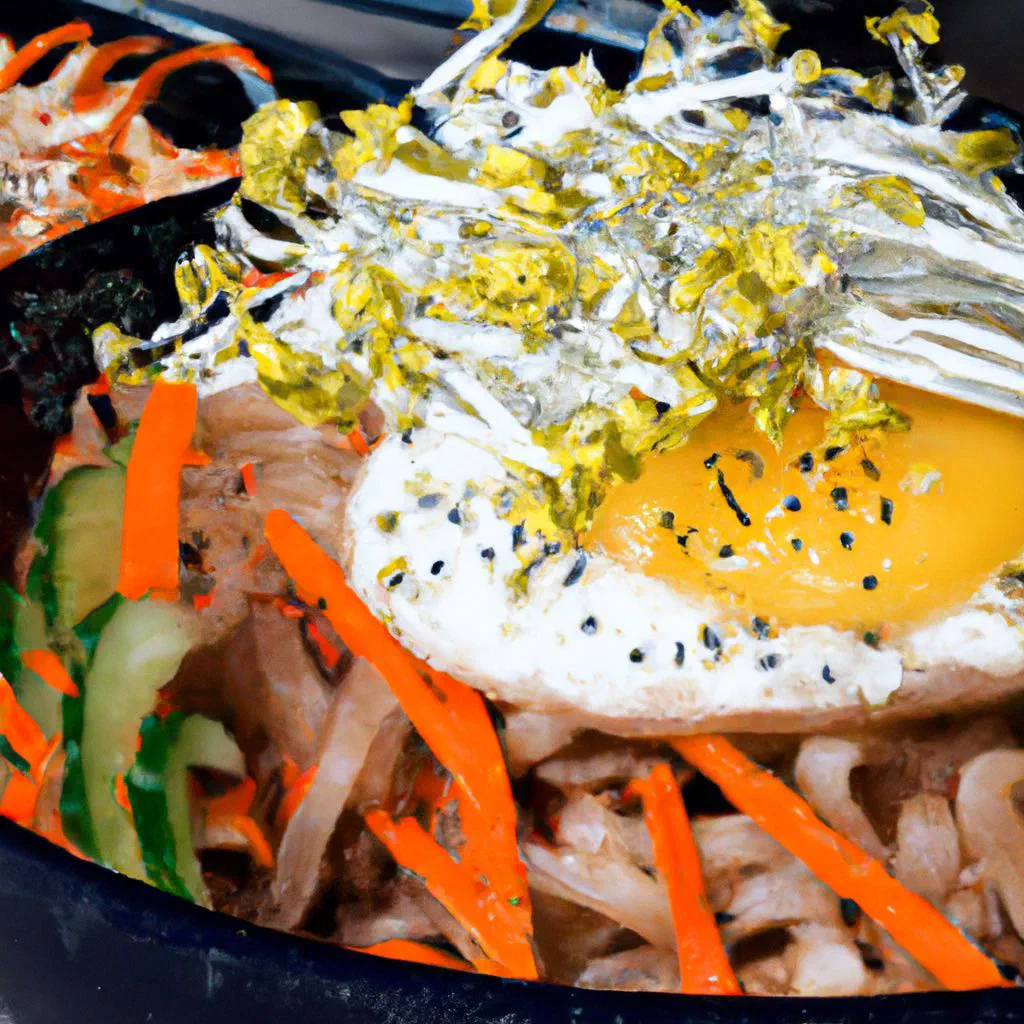
Say hello to Bibimbap, one of South Korea’s most iconic dishes and a true feast for both the eyes and the palate. This bright rice bowl brings together a colourful array of fresh vegetables, marinated beef and a perfectly fried egg, all crowned with a fiery spoonful of gochujang. Mix it all together at the table and every bite delivers a different balance of flavour and texture. Bring the warmth of a Korean kitchen straight to your own home with this satisfying, endlessly adaptable classic.
About Bibimbap
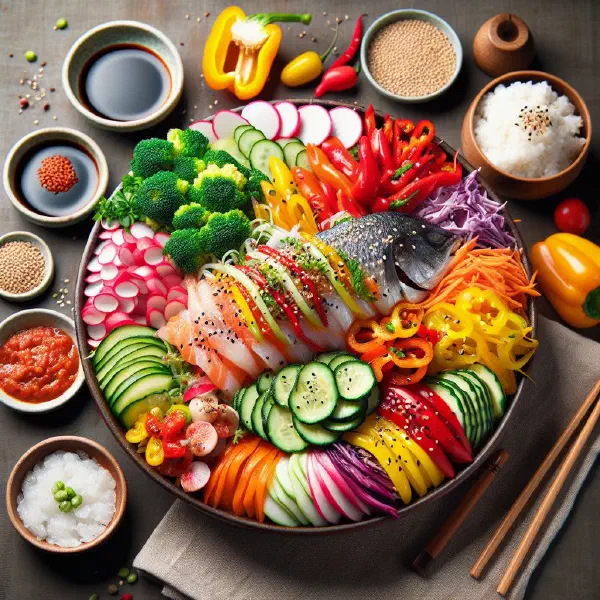
Bibimbap is not only a much-loved dish in South Korea but a genuine celebration for the senses. This colourful rice bowl unites a variety of ingredients and flavours in a single serving. The base is usually rice, topped with assorted vegetables, marinated meat and a beautifully fried egg. The art lies in arranging everything attractively, so the dish is delicious and very inviting to look at. It is a wonderful example of Korean cuisine at its most balanced and wholesome.
Ingredients (serves 1–2)
- 200 g rice (preferably sticky rice)
- 100 g minced beef (or tofu for vegetarians)
- 1 carrot
- 1 courgette
- 1 handful of spinach
- 2 eggs
- 2 tablespoons gochujang (Korean chilli paste)
- 1 tablespoon soy sauce
- 1 teaspoon sesame oil
- Sesame seeds, to garnish
- Fresh chives or spring onions (to taste)
Shopping for the ingredients
To prepare an authentic Bibimbap, it is important to choose fresh ingredients. Many of the items you need can be found in Asian supermarkets or in a well-stocked grocery shop. Be sure to buy a good-quality gochujang, as it is crucial to the dish’s unmistakable flavour. Seasonal and regional vegetables can also enrich your creation and add plenty of variety.
Preparing the dish
Begin with the rice, which should simmer away while you get the other ingredients ready. Cut the vegetables into fine strips and briefly blanch the spinach in boiling water. When it comes to assembling the dish, it is ideal to have all the components prepared separately, so you can arrange them artfully in the bowl later on.
Step-by-step instructions
- Cook the rice according to the packet instructions and let it steam off briefly.
- Heat the oil in a pan and brown the minced beef with the soy sauce and sesame oil.
- Lightly fry or blanch the vegetables (carrot and courgette) separately.
- Fry the eggs in the pan until the yolk is still soft.
- Now arrange everything in a bowl: rice, vegetables, meat and the fried egg.
- Finish the dish with gochujang and scatter over sesame seeds and spring onions.
Gluten-free / lactose-free version
For anyone with a gluten intolerance, it is important to use gluten-free rice and tamari in place of regular soy sauce. For a lactose-free version, simply leave out any dairy products, which is naturally the case with bibimbap anyway, aside from the egg. These small adjustments make it easy to keep the dish delicious for people with intolerances.
Tips for vegans and vegetarians
Vegans can enjoy Bibimbap with ease by swapping the meat for tofu and leaving out the egg. A lovely alternative is to add a spinach or mushroom topping for a creamier texture. You can also vary the vegetables by season and taste to discover new flavours and keep the bowl bright and colourful. This makes the meal nutritious and wonderfully versatile.
More tips and tricks
For the best possible flavour, finish your Bibimbap with a few extra sauces and seasonings. Try adding a little more sesame oil or experimenting with the fresh lift of coriander. A spoonful of roasted garlic can also bring a wonderful depth to the dish. Take care not to overdo the fiery gochujang, especially when cooking for guests with a milder palate.
Adapting the recipe to your taste
Sketching out and adapting the recipe to your own preferences is the key to creating a personal and unique dish. Vary the ingredients according to the season or your favourite vegetables. The choice of protein can change too. Try chicken, or even fish, for a more adventurous note. Ultimately the possibilities are almost endless, inviting you to be creative in the kitchen.
Ingredient substitutions
If you cannot find gochujang, you can use a mix of hot paprika and a small amount of honey to achieve a similar flavour. For anyone who would rather replace the classic rice, quinoa works very well, adding a nutty note and plenty of protein. Mushrooms are another excellent option for extra texture, especially shiitake or chestnut mushrooms, the same earthy depth that shines in Dubu Kimchi. Experiment with whatever you have to hand.
Drink pairing ideas
The perfect drink rounds off the Bibimbap experience beautifully. A cool beer or a traditional Korean rice wine such as makgeolli pairs wonderfully with the hearty flavours. For an alcohol-free option, green tea is a refreshing choice that complements the food well. Sparkling water with a squeeze of lemon can also help bring out the dish’s flavours.
Serving and presentation ideas
To present your Bibimbap at its best, take care to arrange the different components neatly apart from one another. Use an attractive bowl and garnish your dish with aromatic herbs or a little fresh vegetable. A colourful presentation is not only a treat for the eyes but turns the meal into a special occasion. You could also use traditional Korean tableware to lend it even more authenticity, much as you might when serving Ssambap.
A bit of history
Bibimbap has a history that reaches back to the 16th century. It is thought to have originally been prepared during the Joseon dynasty as a way of using up leftovers. Its variety and nourishing qualities soon made it a popular choice in Korean cooking. Today there are many regional variations, all of which reflect the spirit and creativity of the Korean kitchen.
More recipe ideas
Summary: Bibimbap
In summary, Bibimbap is a versatile and flavourful dish that brings together tradition and creativity in equal measure. It offers a broad range of flavours and nutrients, making it a genuinely healthy choice. There is always a version to suit everyone. Give it a try and bring the taste of South Korea into your own kitchen.