National Dish South Korea: Bulgogi (Recipe)
In this article
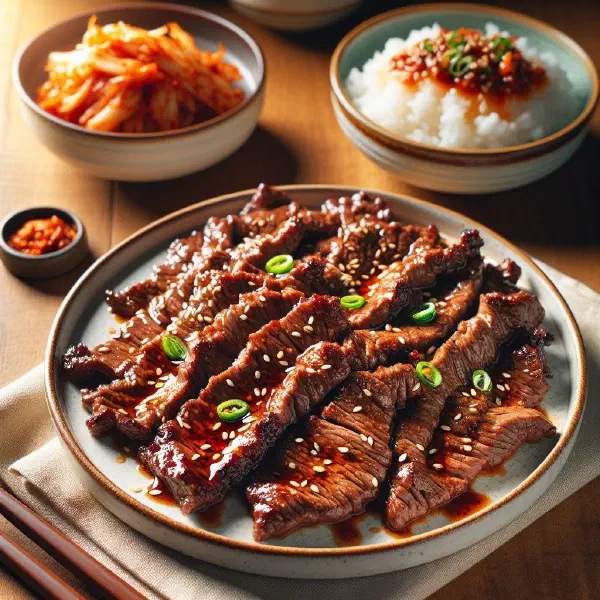
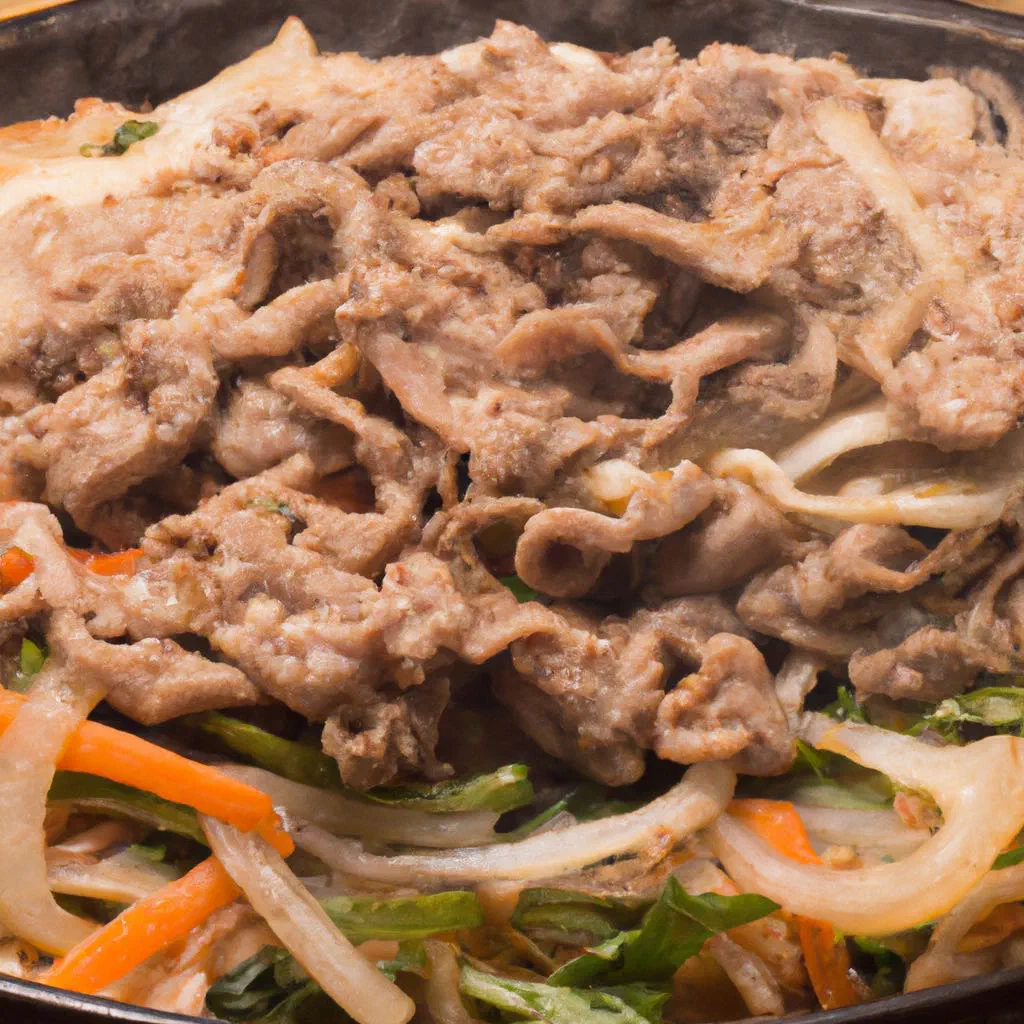
Discover Bulgogi, the mouth-watering national dish of Korea and a wonderful centrepiece for sharing. Thin slices of tender beef are steeped in a savoury-sweet soy sauce marinade, then quickly seared until glossy and caramelised. Fragrant with sesame oil, garlic and ginger, it is a dish that feels both special and effortlessly comforting. Bulgogi brings the warmth of a Korean table straight into your own kitchen.
About Bulgogi
Bulgogi is a beloved main dish from Korea, prized for its succulent texture and its beautifully balanced marinade. At its heart are thin slices of beef bathed in a savoury soy sauce mixture that turns sweet and glossy in the pan. It works equally well as a generous main course or as one dish among many in a shared meal, which is part of its enduring appeal. Deeply flavourful yet gentle enough for all palates, bulgogi is one of the most approachable introductions to Korean cuisine.
Ingredients (serves 1–2)
- 250 g beef (entrecôte or rump work best)
- 1 tablespoon soy sauce
- 2 tablespoons mirin (Japanese rice wine)
- 2 tablespoons sesame oil
- 1 tablespoon sugar
- 1 tablespoon honey
- 2 tablespoons garlic, finely chopped
- 1 tablespoon ginger, finely chopped
- 1 tablespoon toasted sesame seeds
- Salt and pepper, to taste
Shopping for the ingredients
When buying the beef, look for the freshest cut you can find, as its quality makes all the difference to the finished dish. If you buy it frozen, be sure to let it thaw fully before you begin. For the marinade, choose good-quality soy sauce, mirin and sesame oil. These three form the backbone of the flavour, and a little extra care here pays off. Most of these ingredients are easy to source in a supermarket, while an Asian grocery will have the widest choice.
Preparing the dish
Before you start cooking the bulgogi, it is worth making the marinade first. Combine the soy sauce, mirin, sesame oil, sugar, honey, garlic and ginger in a bowl, season to taste with salt and pepper, and stir well until everything is evenly blended. A little groundwork here means the beef can soak up the flavours while you get everything else ready, and the dish comes together quickly once you reach the pan.
Step-by-step instructions
- Slice the beef into thin strips and coat them in the marinade. Leave to rest for a few hours, but no longer than 24 hours.
- Heat a frying pan or a grill. If you are using a pan, add a little oil.
- Add the marinated slices of beef and cook over medium heat until done.
- Once the beef is cooked, serve it with rice or vegetables and garnish with the toasted sesame seeds.
Gluten-free / lactose-free version
Bulgogi is naturally lactose-free, so it needs no adjustment there at all. To make it gluten-free, simply swap the regular soy sauce for tamari or a certified gluten-free soy sauce, and check that your mirin is free from added wheat. With these small changes the marinade keeps all of its savoury depth while suiting anyone with a gluten intolerance, so every guest can enjoy the dish without a second thought.
Tips for vegans and vegetarians
Bulgogi adapts surprisingly well for a plant-based table. In place of beef, use firm tofu or seitan, both of which soak up the marinade beautifully and take on a lovely colour in the pan. Sweeten the marinade with maple syrup instead of honey to keep it fully vegan. Press the tofu well before marinating so it holds its shape, and you will have a version that captures the spirit of the original.
More tips and tricks
To get the very best from your bulgogi, chill the beef briefly in the freezer before slicing. This makes it far easier to cut into thin, even strips. Searing the meat over a high heat in small batches helps it caramelise rather than stew, giving you those prized crisp, glossy edges. A final scattering of toasted sesame seeds and a handful of sliced spring onions lift both the aroma and the look of the finished dish.
Adapting the recipe to your taste
Bulgogi is wonderfully easy to tailor to your own preferences. For a fruitier, more tender result, blend a little grated pear or apple into the marinade, a classic Korean touch that softens the beef. If you like a bit of heat, stir in a spoonful of gochujang or a pinch of chilli flakes, much as you would in a fiery Kimchi. Dial the sugar and honey up or down to suit how sweet you like it.
Ingredient substitutions
If some ingredients are not to hand, there are plenty of easy swaps. Thinly sliced pork or chicken can stand in for the beef, giving you a lighter take that still works beautifully with the same marinade, an approach shared with dishes such as Galbi and Samgyeopsal. Maple syrup or brown sugar can replace the honey, and if you have no mirin, a splash of dry sherry with a little extra sugar makes a fine alternative.
Drink pairing ideas
Bulgogi pairs happily with a wide range of alcohol-free drinks. Freshly pressed apple juice, a mix of fruit juices, ginger tea or a cup of green tea all complement its savoury-sweet flavour. A chilled barley tea is another refreshing companion that cuts through the richness of the beef. Whichever you choose, a lightly refreshing drink keeps the meal feeling balanced from the first bite to the last.
Serving and presentation ideas
Presentation turns bulgogi into a real occasion. Pile the glossy slices of beef onto a warm platter and scatter over toasted sesame seeds and sliced spring onions for colour. Serve it with steamed rice and a few small side dishes, and set out crisp lettuce leaves so everyone can wrap their own parcels at the table, much as you would with Bibimbap or Japchae. A shared spread like this makes the meal feel generous and inviting.
A bit of history
Bulgogi has a long history that reaches back to the 13th century. It was a favourite at the Korean royal courts before it gradually won the affection of everyday people too. In recent decades it has grown steadily more popular abroad, and today you will find many different regional and modern variations of the dish. That blend of noble origins and easy, everyday appeal is a large part of what makes bulgogi such a well-loved classic.
More recipe ideas
Summary: Bulgogi
Bulgogi is a delicious national dish from Korea that is made for sharing. It brings together thin slices of beef marinated in a savoury soy sauce until tender and glossy, then quickly seared to bring out its sweetness. To make it you need beef, soy sauce, mirin, sesame oil, sugar, honey, garlic, ginger and sesame seeds, while vegans can reach for tofu or seitan and sweeten the marinade with maple syrup. Served with rice, fresh vegetables and a refreshing drink, bulgogi is a warm and welcoming taste of Korea that is well worth trying at home.