National Dish South Korea: Cheonggukjang Jjigae (Recipe)
In this article
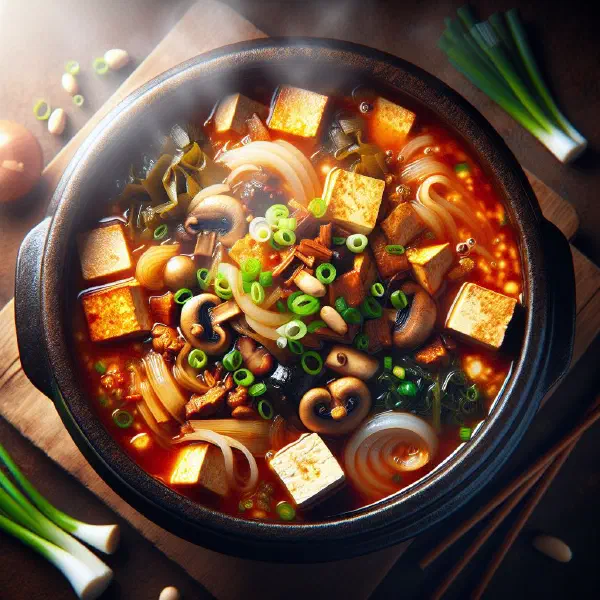
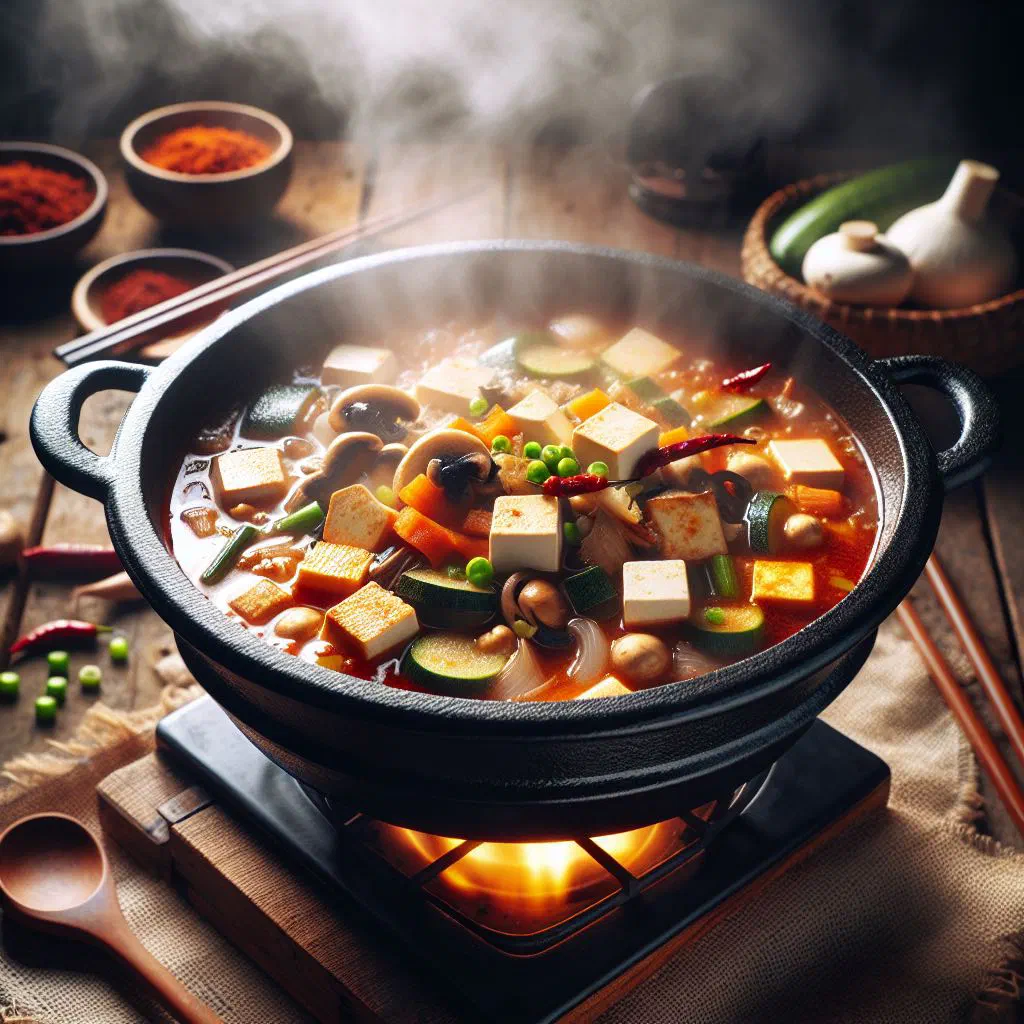
Warm up with Cheonggukjang Jjigae, a hearty fermented soybean stew that ranks among South Korea’s most cherished comfort foods. Built around deeply savoury fermented soybeans, it delivers a bold, umami-rich flavour alongside soft tofu and crisp vegetables. It is the kind of dish Koreans turn to on a cold day, nourishing, soulful and brimming with character. Bring a steaming bowl of the Korean countryside straight to your own table.
About Cheonggukjang Jjigae
Cheonggukjang Jjigae is a traditional Korean dish prized above all in the colder months for its warming, nourishing qualities. The stew is built on fermented soybeans, an ingredient with a long and proud history in Korean cooking. The remarkable depth of flavour that cheonggukjang brings gives the dish its unmistakable taste, at once hearty and intensely umami. As part of Korea’s food culture, this stew is often seen as healthy soul food that is kind to the digestion and packed with nutrients.
Ingredients (serves 1–2)
- 1 cup fermented soybean paste (cheonggukjang)
- 200 g tofu, cubed
- 1 courgette, sliced
- 1 carrot, cut into batons
- 2–3 spring onions, sliced into rings
- 1–2 chillies, to taste
- 2–3 cups water or vegetable stock
- 1 teaspoon sesame oil
- Salt and pepper, to taste
Shopping for the ingredients
The ingredients for cheonggukjang jjigae are easy to find in most Asian supermarkets or online. The fermented soybean paste in particular is essential to the authentic flavour and should not be swapped for anything else. When buying tofu, look for a firm texture, as it holds its shape far better during cooking. Fresh vegetables such as courgette and carrot can be sourced locally to keep the dish bright and fresh.
Preparing the dish
Preparing cheonggukjang jjigae is straightforward and takes very little time. Start by trimming and cutting the vegetables so they are evenly distributed through the stew. The spring onions should be sliced into rings, while the amount of chilli can be judged according to how much heat you want. These steps make sure everything cooks evenly and has the chance to release its full flavour.
Step-by-step instructions
- Pour the water or vegetable stock into a pot and bring it to the boil.
- Add the fermented soybean paste and stir well until it has fully dissolved.
- Add the chopped vegetables, the tofu and the chillies, and let everything simmer together for about 10 minutes.
- Season the stew with sesame oil, salt and pepper to taste, then stir through the spring onions just before serving.
Gluten-free / lactose-free version
Cheonggukjang jjigae is naturally gluten-free, provided you check the ingredients you use. When buying the soybean paste, take care to choose a gluten-free version. The dish is lactose-free too, since it relies entirely on plant-based ingredients. That makes this stew especially suitable for anyone with intolerances or particular dietary needs.
Tips for vegans and vegetarians
This dish is a wonderful choice for vegans and vegetarians, as it contains no animal products at all. To deepen the umami note even further, you can add a little healthy seaweed such as nori or wakame. Stirring in different vegetables, mushrooms or spinach, for example, boosts the flavour and the nutritional value of the stew. Protein-rich options such as seitan or tempeh can also stand in for the tofu to make the dish more filling.
More tips and tricks
To coax the full aroma out of cheonggukjang jjigae, you might even try fermenting the soybeans at home, a rewarding project that gives an incomparable depth of flavour. Another good tip is to garnish the stew with fresh coriander for an elegant finishing touch. Experiment with other seasonings, such as garlic or ginger, to intensify the aromas and add to the health benefits. Letting the stew simmer slowly allows the flavours to meld together beautifully, so take your time over this step. The same patient approach pays off in a rich Yukgaejang.
Adapting the recipe to your taste
One of the great things about cheonggukjang jjigae is just how versatile it is. Depending on your own taste, you can add different vegetables or even extra protein. If you like it hotter, reach for more chillies or a pinch of chilli powder. Alternatively, dial down the heat by using less stock or milder vegetables, so you can tailor the dish entirely to your liking.
Ingredient substitutions
If some ingredients are not to hand, there are plenty of alternatives. Chickpeas or lentils can offer an alternative source of protein, while pumpkin or peppers work nicely in place of courgette. For a gluten-free twist, a combination of sweet potatoes and ordinary potatoes adds interesting flavour. This flexibility makes cheonggukjang jjigae an ideal dish that adapts easily to the season and to whatever you have available, a quality it shares with a comforting bowl of Kongnamul Guk.
Drink pairing ideas
This warming stew is beautifully rounded off by a refreshing drink. Korean cuisine is traditionally served with green tea, which underlines the flavours of the food and is a healthy option. A fruity smoothie or a cold beer also pairs wonderfully with this hearty dish. For a particularly Korean experience, you might consider soju, which is often served alongside meals like this.
Serving and presentation ideas
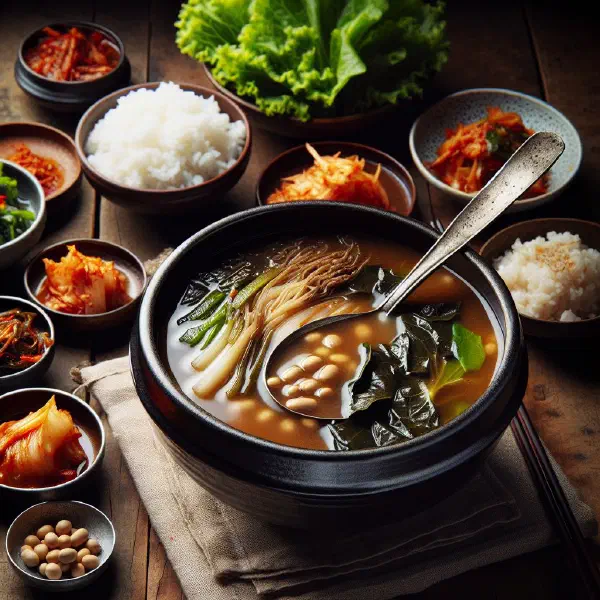
Presentation can add a great deal to the whole cheonggukjang jjigae experience. Serve the stew in traditional Korean earthenware pots, which are attractive and keep the food beautifully hot. A garnish of fresh coriander or spring onion adds bright flecks of colour. Round out the meal with small side dishes, such as kimchi or pickled vegetables, to bring extra authenticity and variety to the table, much like the spread you would build around a platter of Bossam.
A bit of history
Cheonggukjang has a long and significant place in Korean food culture, reaching back to the Joseon dynasty. The soybean was once regarded as a staple food, and fermentation was an important preservation technique of the era. It is said that fermenting the beans adds a new dimension of flavour that is held in high esteem in traditional Korean cooking. Over time, cheonggukjang jjigae became a favourite dish in many households, treasured for its nourishment and for its warming, hearty taste, a defining example of South Korean cuisine.
More recipe ideas
Summary: Cheonggukjang Jjigae
Cheonggukjang jjigae is more than just a stew; it is a symbol of Korean culinary art and tradition. Its incomparable flavour and health benefits make it an ideal dish for any occasion. Whether shared in good company or enjoyed alone, this Korean classic will pleasure beginners and connoisseurs alike. Let this hearty recipe inspire you and treat yourself to a delicious, nourishing meal.