National Dish South Korea: Cheonggukjang (Recipe)
In this article
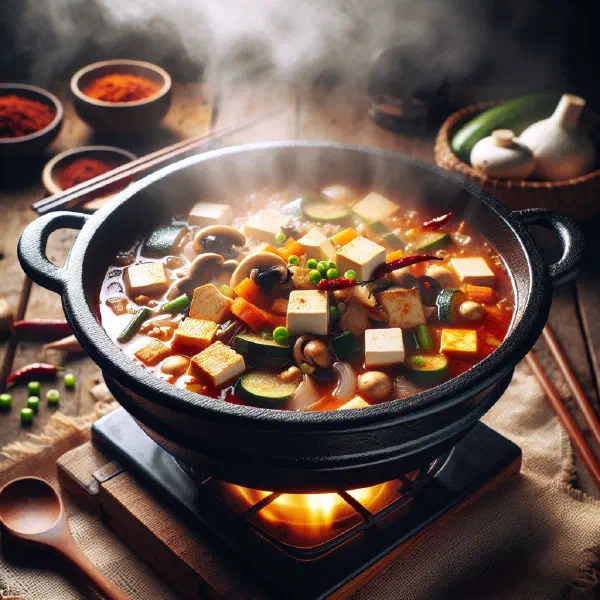
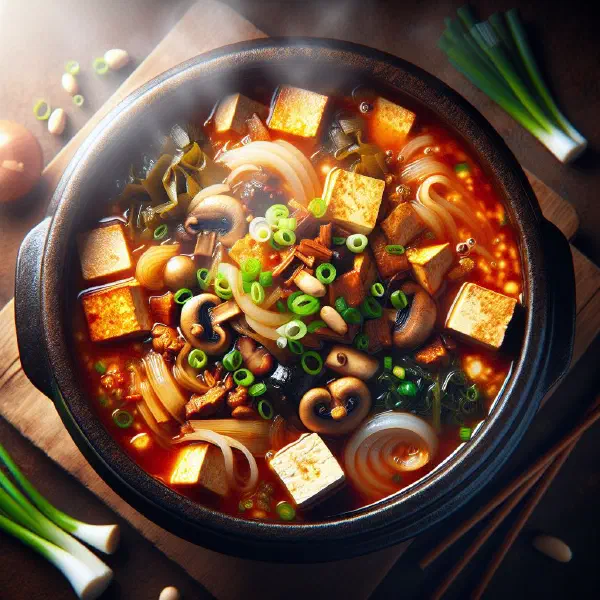
Discover Cheonggukjang, a deeply savoury Korean dish built around fast-fermented soybeans. This warming, intensely aromatic stew brings together rich umami depth and genuinely wholesome ingredients in a single comforting bowl. It is the kind of food that earns its place on the table on a cold winter’s day, whether you serve it as a hearty main or as a striking side. One spoonful and you will understand why it has been treasured in Korean kitchens for generations.
About Cheonggukjang
Cheonggukjang is a traditional Korean dish made from fermented soybeans. The fermentation gives it an intense, complex flavour that is at once hearty and richly umami. In South Korea it is often eaten as a nourishing, warming meal, and it is especially popular through the winter months. It is most commonly served with rice, though it also works beautifully as an ingredient in a range of other dishes. For anyone keen to explore Korean cuisine, it is a wonderful place to start.
Ingredients (serves 1–2)
- 200 g fermented soybeans (cheonggukjang)
- 500 ml water or stock
- 1 small onion, diced
- 1–2 spring onions, sliced into rings
- 1–2 cloves of garlic, chopped
- 1 teaspoon soy sauce
- Pepper, to taste
- Optional: chilli for a little heat
Shopping for the ingredients
When shopping for the ingredients for cheonggukjang, it is well worth paying attention to the quality of the fermented soybeans. These are often available in Asian or Korean supermarkets. Make sure the soybeans are fresh and properly fermented, as this has a decisive effect on the flavour of the finished dish. The remaining ingredients, such as onions and garlic, are easy to find in any regular supermarket.
Preparing the dish
First, dice or chop the onion and garlic to draw out their aromas at their best. You can also slice the spring onions into rings ahead of time so they are ready to add quickly later on. This kind of preparation keeps the cooking quick and stress-free, letting everything flow at a relaxed pace.
Step-by-step instructions
- Bring the water or stock to the boil in a pan.
- Add the diced onion and chopped garlic and sauté briefly.
- Tip in the fermented soybeans and stir well to combine.
- Let it simmer for around 10–15 minutes, stirring regularly.
- Season to taste with soy sauce, pepper and optional chilli.
- Add the spring onions just before serving.
Gluten-free / lactose-free version
One of the great advantages of cheonggukjang is that it is naturally gluten-free and lactose-free, as long as you avoid gluten-containing soy sauces. Simply check that every ingredient you use is free from gluten, a tamari or certified gluten-free soy sauce does the job nicely. For a lactose-free version there is nothing to change at all, since the dish contains no dairy to begin with.
Tips for vegans and vegetarians
The recipe for cheonggukjang is naturally vegan, as it is built entirely from plant-based ingredients. That makes it an excellent protein-rich meal for vegans and vegetarians alike. To add even more flavour, you can stir in vegetables such as carrots or spinach, which bring extra nutrients to the bowl. The dish stays not only wholesome but wonderfully tasty.
More tips and tricks
A handy tip for a particularly delicious version of cheonggukjang is to add mushrooms or other fresh ingredients that lift the dish. Experiment with different seasonings to find your own signature touch. If you would like to freeze it, be sure to let it cool completely first to preserve both texture and flavour. That way you can enjoy this deeply savoury, fermented comfort food whenever you fancy it.
Adapting the recipe to your taste
Adapting cheonggukjang to your personal preferences is easy and good fun. You can vary the heat of the dish, for example, simply by adjusting the amount of chilli. Other vegetables such as courgette or peppers can be added to give the dish your own twist. With a few small variations you can keep rediscovering it again and again. A robust bowl like this sits naturally alongside a hearty Gamjatang.
Ingredient substitutions
If you do not have any fermented soybeans to hand, you can use miso instead to achieve a similar umami note. The consistency will change slightly, so you may need to adjust the amount of water. You can also swap the onions for leeks for a milder flavour. Substitutions like these keep the recipe creative and adaptable, much the same spirit you will find in a comforting Kongnamul Guk.
Drink pairing ideas
A range of drinks pairs nicely with cheonggukjang and complements its hearty character. A light wheat beer or a cup of green tea both offer refreshing options that bring out the flavours of the dish. For an alcohol-free choice, a sparkling ginger tea harmonises beautifully too. These combinations round off the meal and create a balanced, satisfying whole.
Serving and presentation ideas
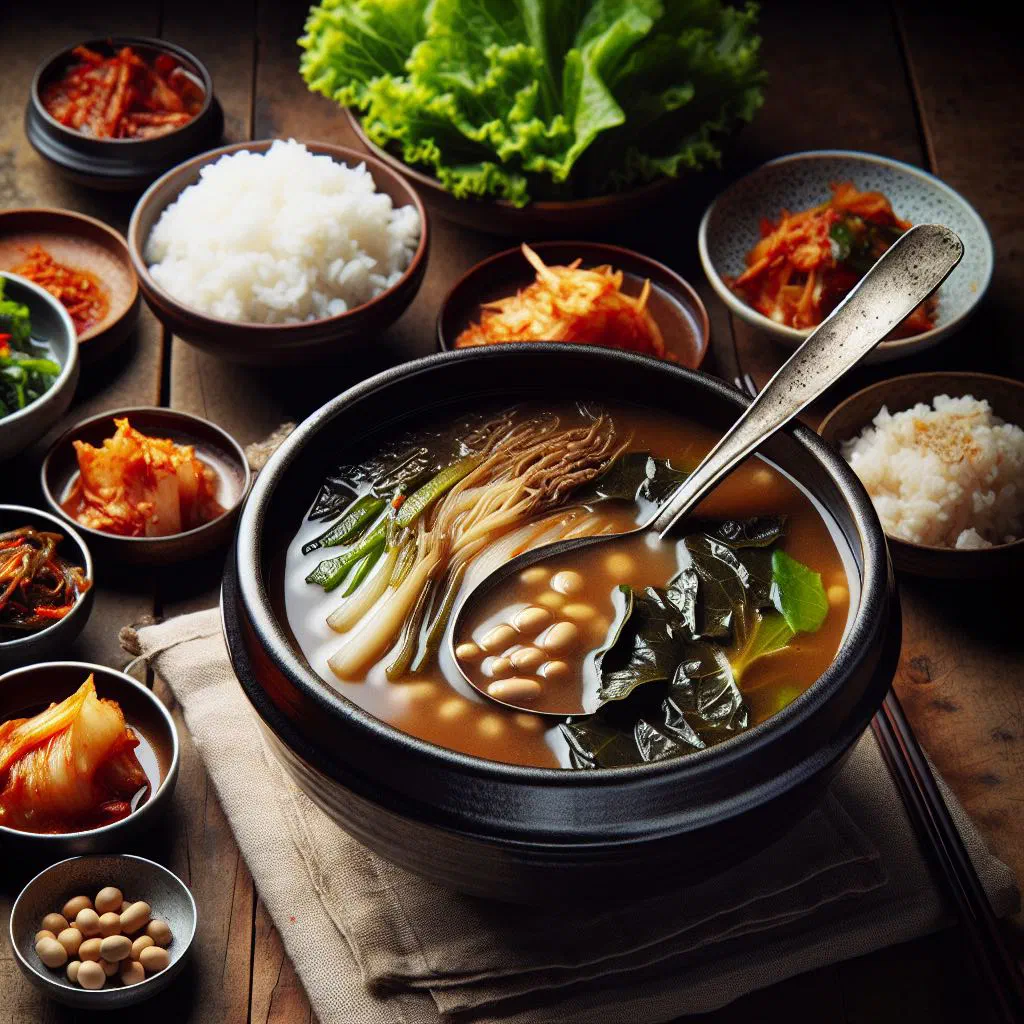
To present cheonggukjang attractively, it is worth arranging it in a handsome bowl. Garnish the dish with fresh herbs or a few extra spring onions to add visual accents. Serve it alongside a bowl of rice and other Korean side dishes to create a complete spread, much like you would with a generous platter of Bossam. This makes for both an appealing presentation and an authentic Korean dining experience.
A bit of history
Cheonggukjang has a long history in Korean cooking and is often regarded as a traditional home remedy for colds and stomach troubles. Historically it was prepared by Korean farmers, who could store it easily and make it with limited resources. The fermentation of the soybeans brings not only flavour benefits but health ones too, as it is rich in probiotics and protein. This historical significance makes the dish not just delicious but culturally valuable.
More recipe ideas
Summary: Cheonggukjang
To sum up, cheonggukjang is a versatile, nourishing and genuinely easy dish that captures the flavours of Korean cuisine beautifully. The variety in its preparation, and the freedom to adapt the recipe to your own tastes, make it a superb choice for anyone looking to expand their culinary repertoire. Cheonggukjang is sure to become a new favourite at your table.