National Dish South Korea: Dak Galbi (Recipe)
In this article
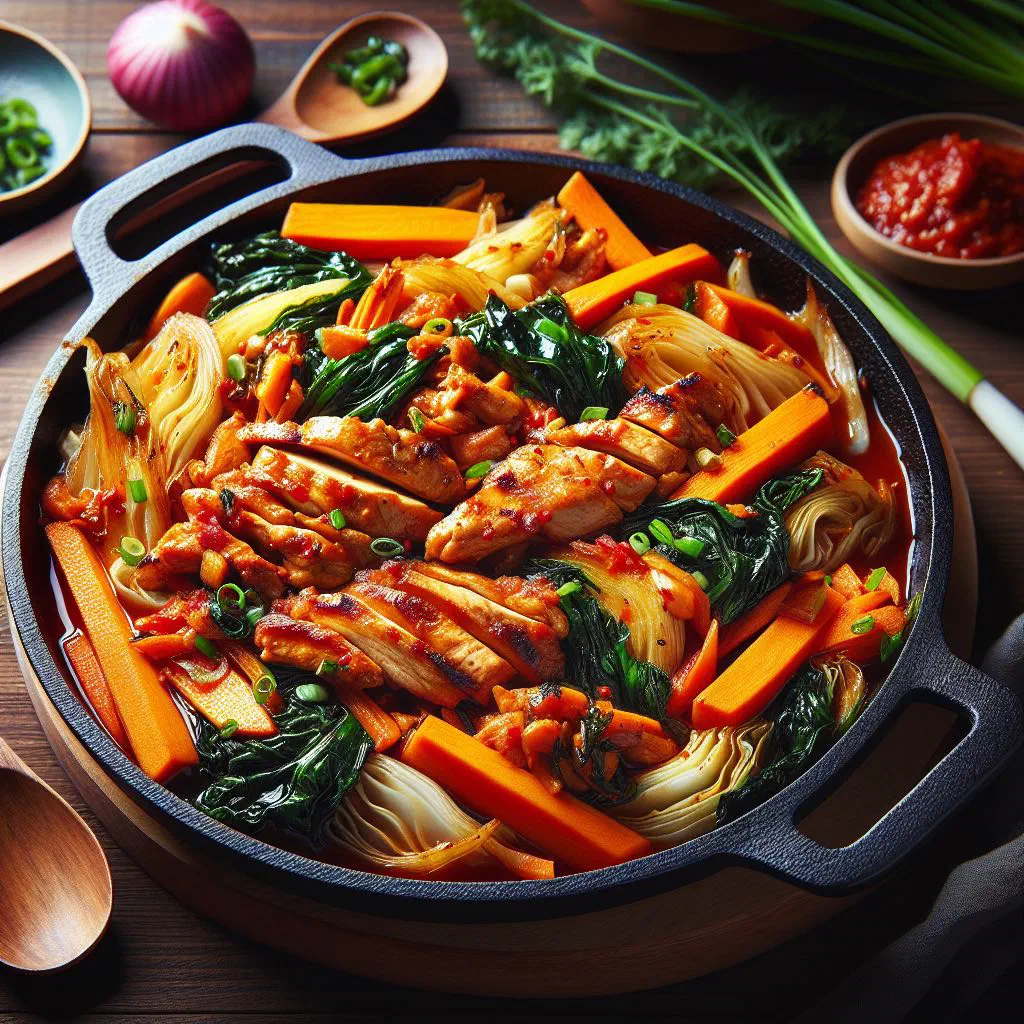
Meet Dak Galbi, a sizzling Korean favourite of marinated chicken and colourful vegetables tossed together in a fiery, glossy sauce. Cooked and served straight from the pan, it turns dinner into a lively, shared affair. The deep heat of gochujang mingles with sweet cabbage and tender sweet potato to create a dish that is bold, satisfying and impossible to resist. Bring the buzz of a Chuncheon kitchen to your own table.
About Dak Galbi
Dak Galbi is a traditional Korean dish celebrated for its variety and its unmistakable flavour. At its heart are pieces of marinated chicken cooked together with fresh vegetables and a spicy sauce. The signature heat comes from gochujang, a fermented chilli paste that lends the dish its characteristic kick. As the flavours combine, they build into a harmonious and truly memorable eating experience that sits comfortably within the broader world of Korean cuisine.
Ingredients (serves 1–2)
- 300g chicken breast fillet, cubed
- 1 cup cabbage, cut into strips
- 1 cup sweet potato, diced
- 1 courgette, sliced
- 2 spring onions, cut into rings
- 2 tablespoons gochujang
- 1 tablespoon soy sauce
- 2 teaspoons sesame oil
- 2 cloves garlic, chopped
- Pepper to taste
Shopping for the ingredients
When shopping for the ingredients for dak galbi, it is important to choose fresh, good-quality produce. The chicken breast fillets should be tender and juicy to give you the best result. Vegetables such as cabbage, sweet potato and courgette matter for their flavour and for the colour they bring to the plate. Asian supermarkets are often the best place to find gochujang and other specific Korean ingredients.
Preparing the dish
Preparing the dish begins with marinating the chicken, which should be left to rest for at least 30 minutes, or longer, so it soaks up the flavours as fully as possible. While it marinates, wash and chop the vegetables to speed things along later. Good preparation also means everything is close to hand once you start cooking. Adding a few fresh herbs at the end gives the finished dish an extra lift and a bright, fresh note.
Step-by-step instructions
- Marinate the chicken with gochujang, soy sauce, sesame oil and garlic.
- Heat a large pan or a griddle plate over medium heat.
- Fry the marinated chicken for about 5–7 minutes, until cooked through.
- Add the chopped vegetables and cook for a further 5–7 minutes, until everything is tender.
- Serve dak galbi hot, ideally straight from the pan for a sociable meal.
Gluten-free / lactose-free version
If you would like to make dak galbi gluten-free or lactose-free, you can use a special gluten-free soy sauce. Take extra care that no hidden sources of gluten sneak into the marinade. The dish is naturally lactose-free, so there is nothing to worry about on that front. A pleasing interplay of flavours and textures remains intact even with these adjustments in place.
Tips for vegans and vegetarians
Vegans and vegetarians can adapt dak galbi with ease by replacing the chicken with tofu or tempeh. These alternatives take on the marinade beautifully and deliver a similar depth of flavour. Be generous when varying the vegetables and lean on seasonal produce wherever you can. The result is a dish that is every bit as tasty and nourishing, and one that everyone can enjoy.
More tips and tricks
A few tips and tricks can help you get the most out of dak galbi. Experiment with different vegetables to create new flavour combinations each time. If you want especially tender chicken, lightly pound the pieces before marinating them. Dak galbi also tastes best served straight from the pan, which makes for a wonderful centrepiece when you have guests around the table.
Adapting the recipe to your taste
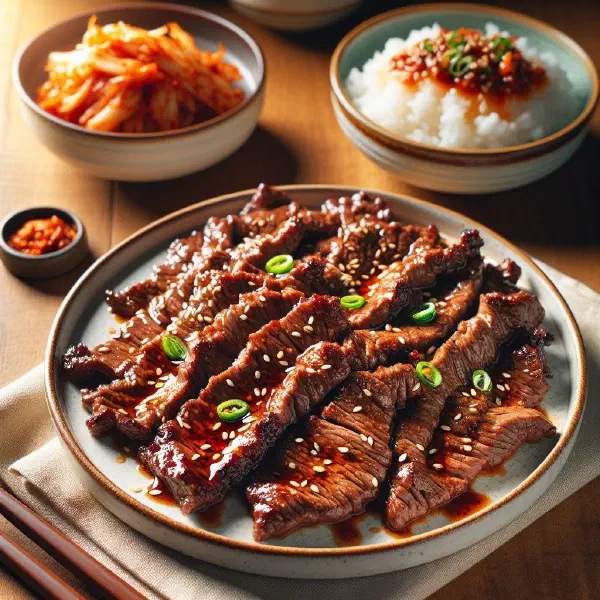
Adapting the recipe to your own taste is always an option. Depending on how much heat you like, you can use more or less gochujang. You can also vary the vegetables, working in whatever is in season or simply what you prefer. The marinade is flexible too. Add other spices, for example, to craft a version that becomes your own personal favourite, much like a good Bulgogi can be tuned to taste.
Ingredient substitutions
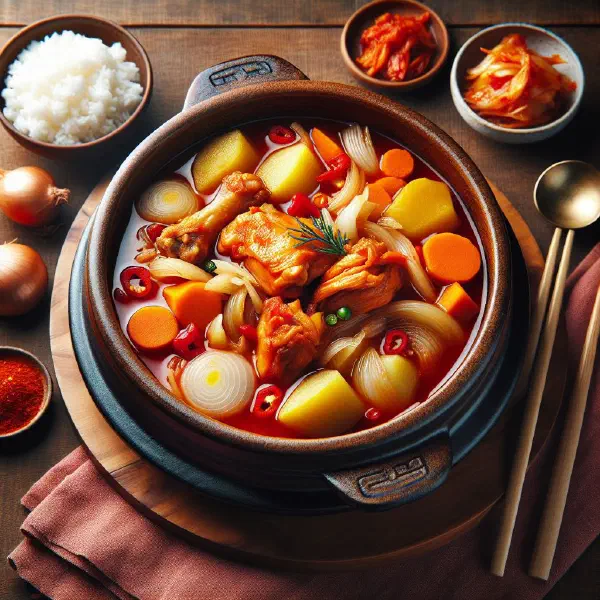
If certain ingredients are not available to you, there are plenty of substitutions to fall back on. You could swap the chicken for seitan or mushrooms to change up the flavour, along the lines of a hearty Sundubu Jjigae. For a milder marinade, tomato purée can stand in for gochujang.
Drink pairing ideas
To round off the dak galbi experience, certain drinks pair wonderfully with the meal. A cold Korean lager or a fruity soju is an excellent choice. If you would rather stay alcohol-free, a refreshing jasmine-tea-based drink is well worth considering. These options underline the flavours of the dish and make for a well-judged combination.
Serving and presentation ideas
The presentation of dak galbi plays a big part in the enjoyment. Serve the dish straight from the pan and garnish it with fresh herbs and sesame seeds. Colourful vegetables that remain partly visible make the dish far more appealing to the eye. Using wooden boards or special serving platters can raise the presentation another notch and create an inviting look.
A bit of history
The history of dak galbi reaches back to the 1960s, when the dish first became popular in the South Korean city of Chuncheon. It was originally served as a street food and quickly gained a devoted following. The combination of chicken, vegetables and a spicy marinade reflects Korean food culture and its love of bold, fiery flavours. Today dak galbi is a firm fixture of Korean cooking and enjoys great popularity internationally, sitting proudly alongside classics such as Kimchi.
More recipe ideas
Summary: Dak Galbi
In summary, dak galbi is a wonderful way to experience Korean cuisine. With its versatile preparation and its intense flavours, it is just as well suited to sociable evenings as to everyday cooking. This combination of chicken and vegetables in a spicy marinade brings flavour and joy to the table. Give it a try and let the fascination of Korean cooking sweep you along.