National Dish South Korea: Doenjang Guk (Recipe)
In this article
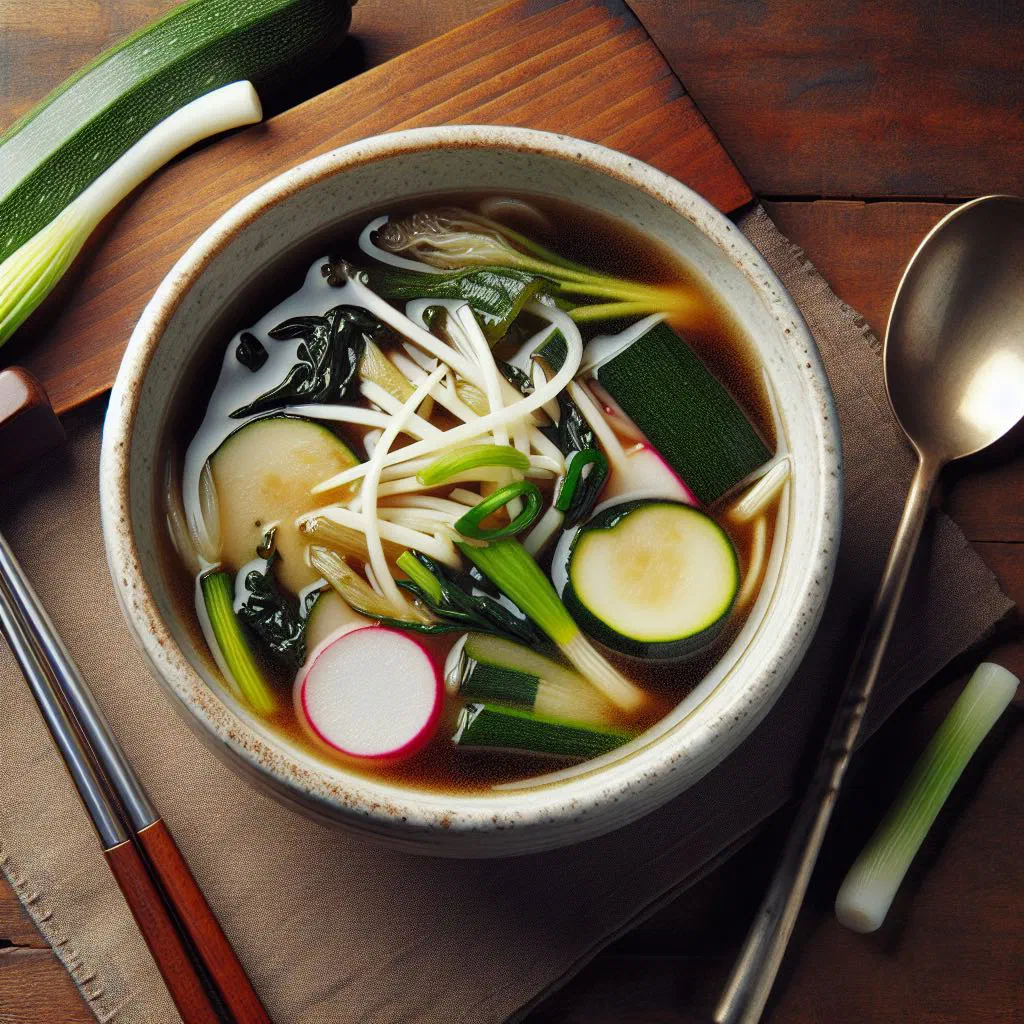
Warm up a cold day with Doenjang Guk, a comforting Korean soybean paste soup that delivers deep, savoury flavour in every spoonful. Built around doenjang, a fermented soybean paste prized for its rich umami, this soup brings together humble vegetables and silky tofu in a broth that feels both nourishing and homely. Hearty, wholesome and wonderfully easy to make, it lets you bring a taste of South Korean home cooking straight to your own table.
About Doenjang Guk
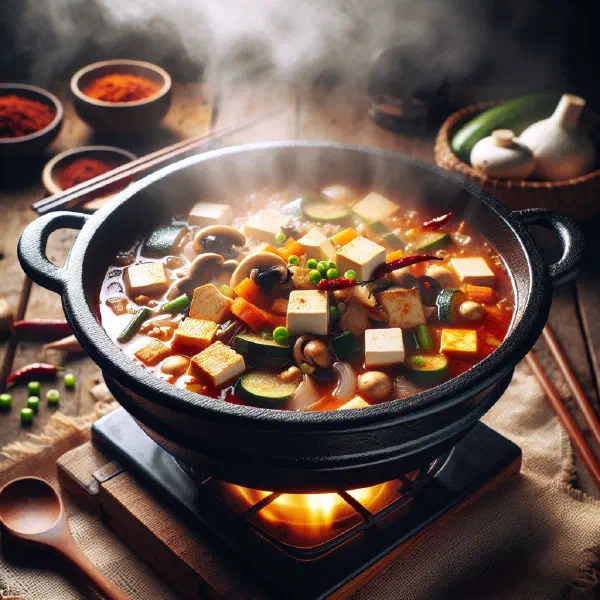
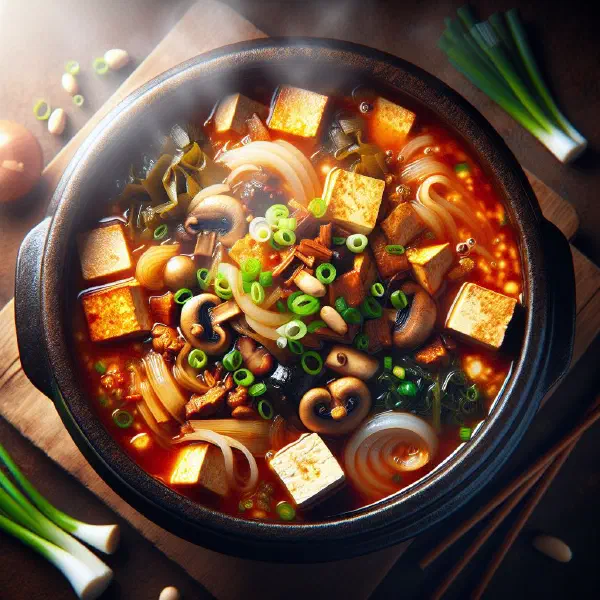
Doenjang Guk is a traditional Korean soybean paste soup, celebrated as much for its rich aroma as for its many health benefits. The dish is built around doenjang, a fermented soybean paste that lends an intense umami depth to the broth. The base of the soup is usually made up of vegetables such as onion, carrot and courgette, simmered together with tofu and water to create a hearty and nourishing meal. Perfect for cold days, doenjang guk offers warmth and a real sense of comfort.
Ingredients (serves 1–2)
- 2 cups water
- 2 tablespoons doenjang (fermented soybean paste)
- 100 g tofu, diced
- 1 small courgette, sliced
- 1 carrot, cut into thin strips
- 1 small onion, diced
- 2 spring onions, sliced into rings
- 1 teaspoon sesame oil
- A pinch of salt and pepper, to taste
Shopping for the ingredients
When shopping for doenjang guk, it is worth choosing fresh vegetables and good-quality tofu. The best place to find authentic doenjang is an Asian grocery, as the paste itself has a huge influence on the soup’s flavour. Look for a doenjang that is not overly salty, so you can strike the ideal balance of flavours. Vegetarians and vegans should check that the tofu is made without any animal-derived ingredients.
Preparing the dish
Preparing doenjang guk is refreshingly straightforward and takes very little time. Begin by washing the vegetables thoroughly and cutting them into even pieces so that everything cooks at the same rate. The tofu can be diced or cut into larger chunks, depending on your preference. Keep in mind that the quality of the ingredients shapes the final result, so fresh vegetables really do make a difference. For another gentle, vegetable-led soup, take a look at Kongnamul Guk.
Step-by-step instructions
- Bring the water to the boil in a saucepan.
- Add the doenjang and stir well until it has fully dissolved.
- Add the vegetables (courgette, carrot, onion) and the tofu to the pan.
- Cook everything over medium heat for around 10–15 minutes.
- Stir in the spring onions and the sesame oil just before serving.
- Season with salt and pepper to taste and serve piping hot.
Gluten-free / lactose-free version
Doenjang guk is easy to make gluten-free by using a gluten-free soybean paste. When buying tofu, check that it contains no gluten-based additives. The soup is naturally lactose-free, as no dairy products are used at any stage. That means people with particular dietary needs can enjoy this delicious dish without a second thought.
Tips for vegans and vegetarians
This recipe is ideal for vegans and vegetarians, as it can be prepared entirely from plant-based ingredients. To add an extra source of protein, you can also work in seitan or tempeh. Experiment with different vegetables such as spinach or mushrooms, which bring their own delicious flavours to the bowl. Above all, use fresh, ideally organic, ingredients to make the most of the soup’s full flavour.
More tips and tricks
A few pointers will help you get the very best from your doenjang guk. Let the soup rest for a few minutes after cooking so the flavours have time to develop and settle. A pinch of chilli or some garlic adds extra warmth if you like things spicier. A handful of fresh coriander or parsley stirred in at the end lends a lovely brightness. The soup is best enjoyed with a bowl of rice to make it even more filling.
Adapting the recipe to your taste
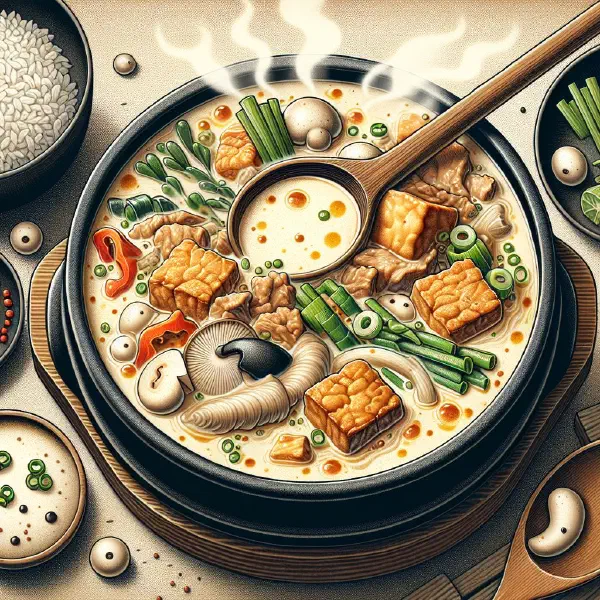
Doenjang guk is easy to adapt to your personal preferences. If you like a bit of heat, add more chilli flakes or some fresh chilli. For a creamier soup, a splash of plant-based cream works beautifully. The vegetables are flexible too, experiment with carrots, pumpkin or even pak choi to discover new flavours. That way the dish stays interesting and endlessly adaptable, much like the spiced kick of Dubu Kimchi.
Ingredient substitutions
If some of the ingredients are hard to find, there are easy swaps to fall back on. You can use miso in place of doenjang for a similar, if slightly different, flavour. The tofu can be replaced with jackfruit or tofu skin to vary the texture. Be creative with the vegetables too, reaching for whatever is in season. These substitutions keep your dish fresh and full of variety.
Drink pairing ideas
Doenjang guk pairs wonderfully with a range of drinks. A cup of green tea, such as jasmine or sencha, complements the soup’s flavours perfectly. If you would prefer something alcoholic, try a light and refreshing Korean beer that won’t feel too heavy. For a non-alcoholic option, a zingy ginger lemonade adds an exciting lift to the meal.
Serving and presentation ideas
To present doenjang guk at its best, serve the soup in traditional Korean bowls. A garnish of fresh herbs adds colour and a welcome freshness. Setting out small bowls of rice alongside the soup makes the meal feel more inviting still. Keep the table setting simple so the focus stays on the delicious soup, creating a cosy, welcoming atmosphere.
A bit of history
The origins of doenjang guk lie in traditional Korean home cooking, where nourishing, satisfying dishes have always taken centre stage. Doenjang itself has a history stretching back centuries, as the fermenting of soybeans is deeply rooted in Korea. This soup is not only a beloved part of everyday eating but is also often served at special occasions and festivals. Its hearty flavour reflects the warmth of Korean hospitality and culture, a thread that runs through so much of South Korean cuisine.
More recipe ideas
Summary: Doenjang Guk
Doenjang guk is a tasty and nourishing soybean paste soup that is simple to prepare and rich in flavour and health benefits. Its fresh ingredients and the ease with which the recipe can be tailored to personal taste make it a firm favourite in Korean cooking. Once you have tried doenjang guk, you are sure to come to treasure the warmth and authentic flavour it offers, and you’ll find yourself returning to it again and again.