National Dish South Korea: Doenjang Jjigae (Recipe)
In this article
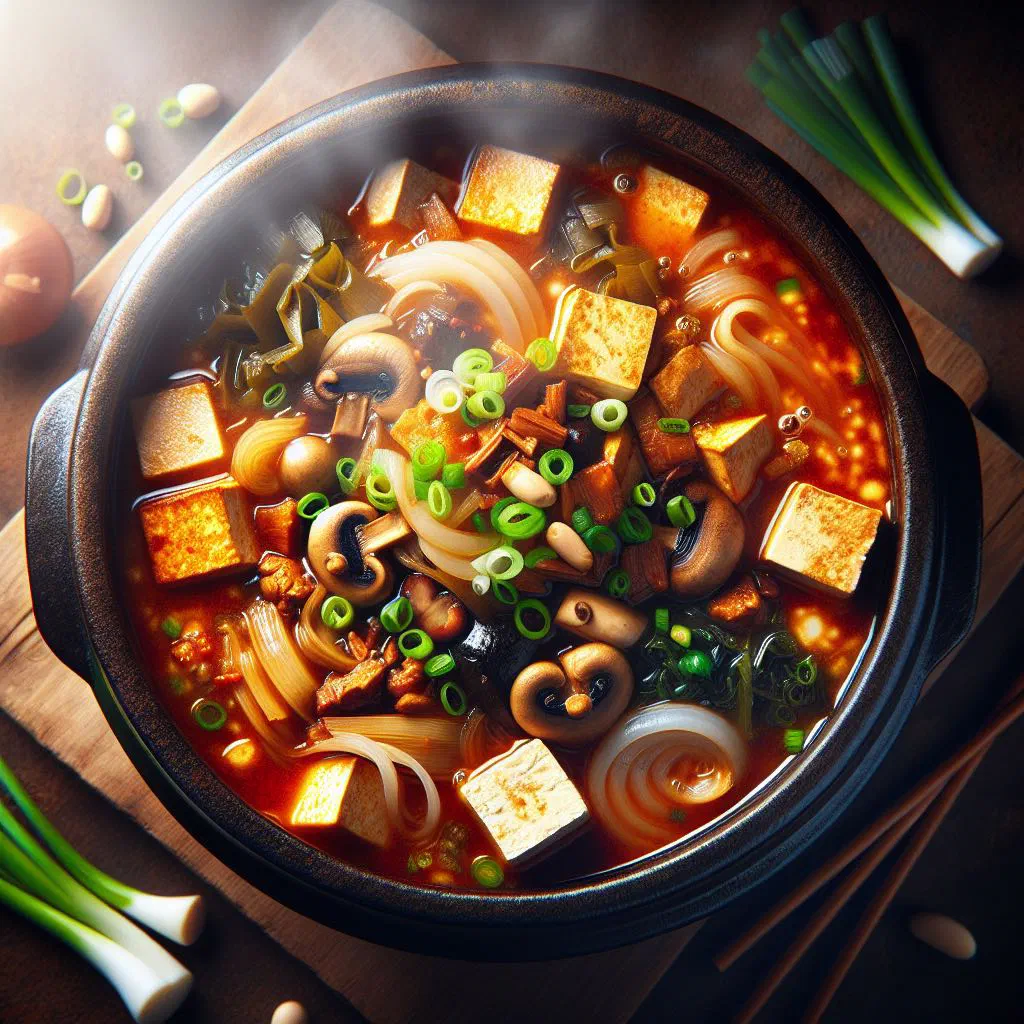
Warm up with Doenjang Jjigae, the deeply comforting soybean paste stew that sits at the very heart of the Korean table. Built around the savoury, earthy depth of fermented soybean paste, it brings together tender tofu, fresh vegetables and a rich, soul-soothing broth. It is the kind of dish Koreans turn to on a cold day, when nothing but a bubbling pot of something nourishing will do. Easy to make and endlessly satisfying, it carries the unmistakable umami warmth of the Korean home kitchen straight to your own.
About Doenjang Jjigae
Doenjang Jjigae is a traditional South Korean stew that owes its unmistakable character to the use of fermented soybean paste. The dish is especially popular in the colder months, when its hearty aromas and warming ingredients bring a real sense of comfort and wellbeing. The combination of fresh vegetables and silky tofu makes it both delicious and genuinely nourishing. It is a wonderful way to experience the variety of Korean cuisine and to enjoy a dish that is as good for you as it is full of flavour.
Ingredients (serves 1–2)
- 2 tablespoons doenjang (Korean fermented soybean paste)
- 200 g tofu, cubed
- 1 small onion, diced
- 1–2 spring onions, sliced into rings
- 1 carrot, cut into pieces
- 1 small courgette, diced
- 2–3 cups vegetable stock
- 1 chilli, to taste (optional, for heat)
Shopping for the ingredients
To make doenjang jjigae, you will find the ingredients you need at an Asian grocery or a well-stocked supermarket. The fermented soybean paste is the essential element that gives the dish its authentic flavour, so it is worth seeking out a good-quality paste. Tofu and fresh vegetables are easy to source and bring plenty of nutritional benefits along with them. When shopping, choose the freshest produce you can to get the very best taste from your stew.
Preparing the dish
Before you begin cooking, it helps to prepare all your ingredients and run through the steps in your mind. Cutting the vegetables into evenly sized pieces makes the cooking process easier and ensures everything cooks through at the same rate. The tofu can be soaked briefly in water beforehand to make its texture even more pleasant.
Step-by-step instructions
- Heat a pot over medium heat and add the onion. Sauté until it softens.
- Stir in the doenjang and the vegetable stock, then bring the mixture to the boil.
- Add the chopped vegetables (carrot, courgette and the optional chilli) along with the tofu.
- Reduce the heat and let the stew simmer for 15–20 minutes, until the vegetables are tender.
- Finish by adding the spring onions and stirring everything together well. Serve your doenjang jjigae piping hot.
Gluten-free / lactose-free version
Doenjang jjigae is easy to make gluten-free by using a gluten-free doenjang soybean paste. Take care to choose a gluten-free vegetable stock powder, and double-check that none of the other ingredients contain gluten-based additives. The dish is naturally lactose-free in any case, as it contains no cheese or dairy products at all, making it a reliable choice for anyone avoiding either.
Tips for vegans and vegetarians
Doenjang jjigae is naturally a vegan dish, as it contains no animal products whatsoever. Even so, you can deepen the flavour further by adding extra vegetables such as shiitake mushrooms or seasonal options like napa cabbage. If you would like to personalise the stew, finish it with your favourite toppings, toasted nuts or seeds, for example. These additions boost the nutritional value while introducing exciting new textures and aromas.
More tips and tricks
For an even greater depth of flavour, try toasting the doenjang lightly before adding it to the pot. This intensifies its aroma and brings still more umami to the dish. Use fresh ingredients wherever possible to guarantee the best results, whether it is the tofu, the vegetables or the stock, quality really is the key to a successful doenjang jjigae. A few minutes of extra care go a long way here.
Adapting the recipe to your taste
Doenjang jjigae is easy to tailor to your own preferences. For a milder result, leave out the chilli or swap it for a gentle pepper. You can also add extra ingredients such as sliced pak choi or hearty root vegetables, depending on your taste and what is available. Much like a comforting bowl of Gamjatang, it rewards a little creativity, so let your imagination guide you in the kitchen.
Ingredient substitutions
If you do not have doenjang to hand, other fermented pastes such as miso make a workable substitute, though the flavour will be slightly different. The tofu can be replaced with tempeh or seitan if you prefer a different protein source. For a heartier note, feel free to experiment with various vegetables, the same approach that makes a stew like Kongnamul Guk so adaptable, giving the dish a character all its own.
Drink pairing ideas
Doenjang jjigae pairs beautifully with a crisp Korean beer or a refreshing green tea. A fruity soju could also make for an interesting accompaniment, broadening the tasting experience even further.
Serving and presentation ideas
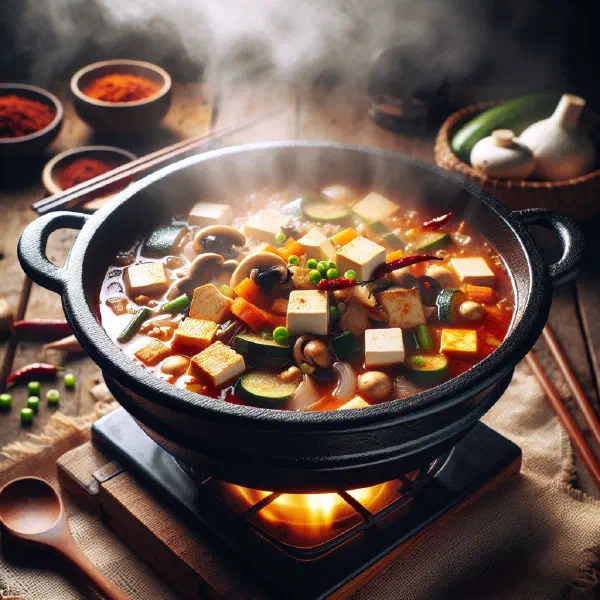
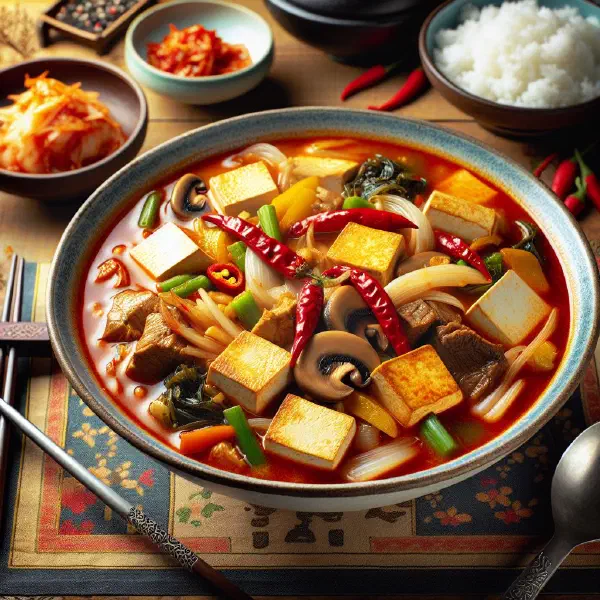
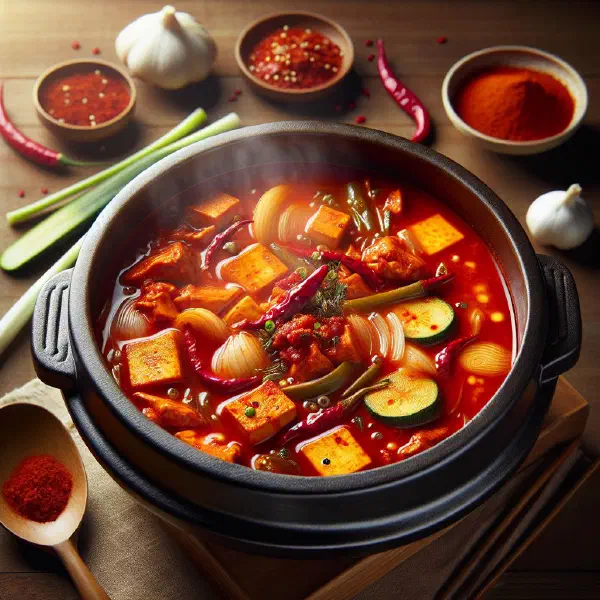
Presentation is an important part of the dining experience. Serve doenjang jjigae in a traditional black earthenware or stoneware bowl to highlight its authentic Korean style. Garnish the dish with fresh spring onions or a scattering of herbs on top to make the colours sing. A simple but attractive tray with a few side dishes alongside, perhaps a serving of Kongnamul Muchim, can elevate the whole meal.
A bit of history
Doenjang jjigae has a long history in South Korea and is regarded as a classic found in practically every household. The use of fermented soybeans is an ancient tradition in Korean cooking, one that has developed over many centuries. Fermented foods are flavoursome and healthy and easy to digest. In this way, doenjang jjigae captures the very essence of Korean culinary art, bringing flavour and good health together in a single bowl.
More recipe ideas
Summary: Doenjang Jjigae
Doenjang jjigae is a hearty, nourishing dish that captures the delicious flavours of South Korean cooking. With its straightforward preparation and the freedom to adapt it as you like, it suits cooks of every level. By using fresh ingredients and embracing the many possible variations, anyone can create their own perfect bowl. It is well worth trying this dish and savouring the warmth and comfort it brings to the table.