National Dish South Korea: Dongchimi (Recipe)
In this article
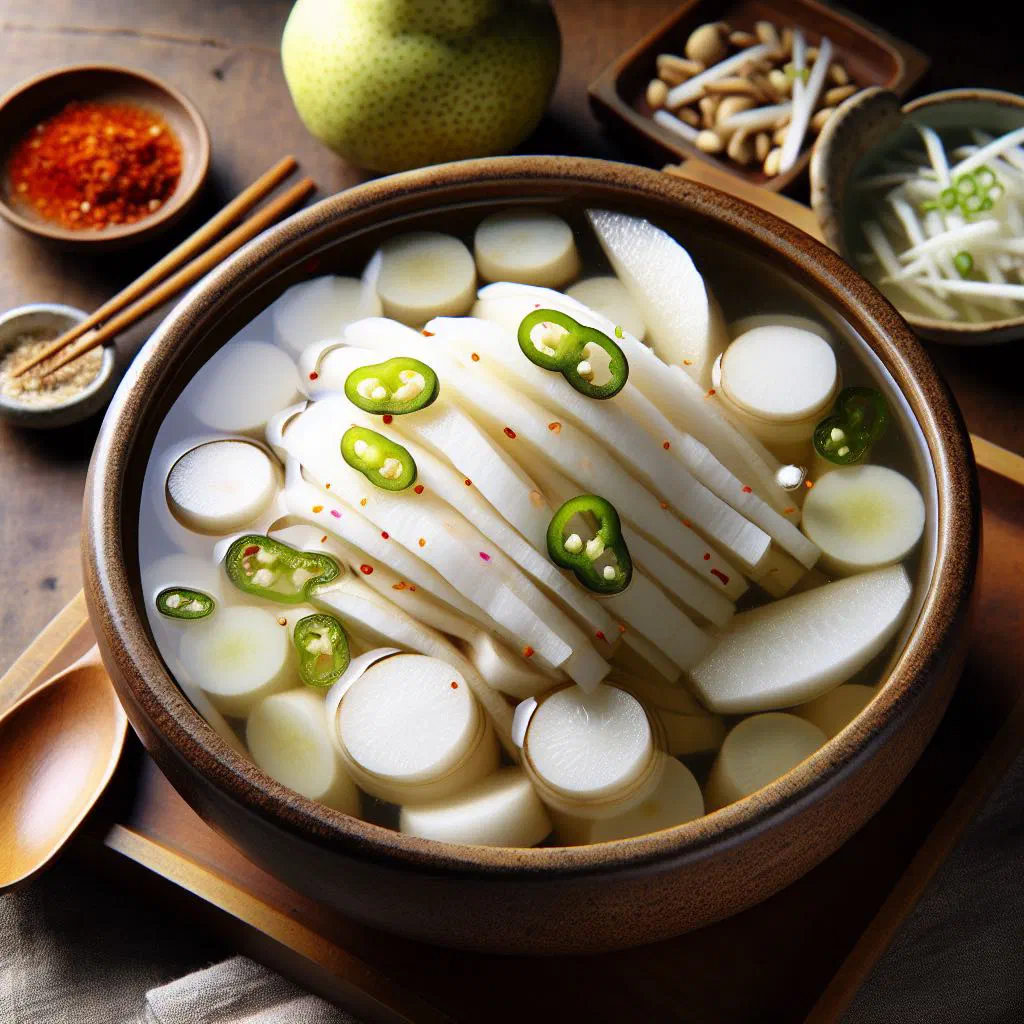
Cool, crisp and wonderfully refreshing, Dongchimi is one of Korea’s most underrated kimchi varieties. This light, water-based ferment lets radish and a handful of aromatics mellow into a tangy, gently fizzy brine that is perfect for warm days. Unlike its fiery red cousins, it is mild, clean-tasting and brilliantly versatile, equally at home as a palate-cleansing side dish or a quick, healthy snack. Let it bring a breath of fresh air to your table.
About Dongchimi
Dongchimi is a traditional Korean dish prized for its refreshing, bright and lively flavours. This delicate water kimchi is built mainly around radish, which is fermented alongside a carefully chosen mix of seasonings and vegetables. The interplay of the ingredients makes Dongchimi delicious and healthy, delivering all the benefits of natural fermentation. Ideal for warm days, it is most often served as a side dish or a cooling snack.
Ingredients (serves 1–2)
- 300 g radish (mu), peeled and cubed
- 1 small melon, cubed
- 2–3 spring onions
- 2 tablespoons sea salt
- 2 teaspoons sugar
- 2–3 garlic cloves
- 1 teaspoon ground ginger
- 1–2 chillies (to taste)
Shopping for the ingredients
To make a truly delicious Dongchimi, choosing the right ingredients matters. Local greengrocers and farmers’ markets often have freshly harvested radish and the best vegetables for the job. When buying your seasonings, look for good-quality spices so you draw out the fullest flavours. Reaching for organic produce can noticeably improve the dish and lead to a healthier, cleaner-tasting result.
Preparing the dish
The preparation of Dongchimi is a simple but important step that ensures all the ingredients come together well. Begin by washing and cutting the radish and melon into bite-sized pieces. Slice the spring onions into fine rings so they round out the flavour of the brine. Have a clean fermentation bowl ready too, so you can mix everything together evenly.
Step-by-step instructions
- Cut the radish and melon into pieces and place them in the fermentation bowl.
- Add the spring onions, garlic, ground ginger, sugar and salt.
- Mix everything thoroughly until the radish and vegetables are well coated in the seasonings.
- Transfer the mixture to an airtight jar and leave it to ferment in a cool place for about 2–3 days.
- Once fermented, serve Dongchimi well chilled.
Gluten-free / lactose-free version
Dongchimi is naturally gluten-free and lactose-free, which makes it ideal for anyone with intolerances. When choosing your seasonings and sugar, simply check that they contain no hidden gluten. No dairy is needed at any stage, so everyone can enjoy it without worry. Best of all, the dish keeps its crisp, fresh flavour even without those ingredients.
Tips for vegans and vegetarians
This recipe is a great fit for vegans and vegetarians, as it is built almost entirely from plant-based ingredients. It needs no animal products yet still stays flavourful and nourishing. Take the chance to fold in different vegetables to make the dish even more varied. That way you can adjust and reinvent it depending on the season or your personal taste, much as you might with the fresh wraps of Ssambap.
More tips and tricks
To get the best results from your Dongchimi, a few simple tips go a long way. Use the freshest ingredients you can find to coax out the cleanest flavour. A longer fermentation time develops a more intense, tangy result, though it does call for a little patience. Experiment with different seasonings to create your own unique versions of the brine.
Adapting the recipe to your taste
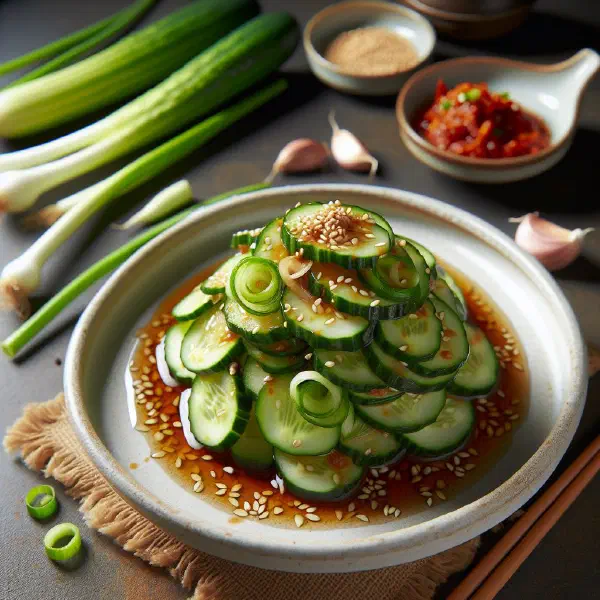
Depending on the flavours you love, Dongchimi is easy to tweak. Add extra vegetables such as carrots or cucumber for additional texture and bite. Adjust the heat by changing the amount of chillies or by using a mild paprika instead. Small changes like these help make the dish reflect your own taste even more closely.
Ingredient substitutions
If you cannot find certain ingredients or they are not to your liking, there are plenty of alternatives. Instead of radish you could use carrots, which lend a sweeter note to the ferment. In the spirit of using regional produce, feel free to try other vegetables too, the same versatile approach that works for the soothing broth of Kongnamul Guk. Just remember to adjust the fermentation time, as different ingredients react at different rates.
Drink pairing ideas
Dongchimi pairs beautifully with a range of drinks. A refreshing Korean tea such as yuja-cha (citron tea), or simply chilled water with lemon, works wonderfully alongside it. If you prefer something stronger, a light Korean beer or a glass of soju makes the perfect companion. These combinations round off the experience and lend themselves to relaxed, sociable meals.
Serving and presentation ideas
Thoughtful presentation can lift the whole Dongchimi experience. Serve it in an attractive bowl and garnish with fresh herbs such as coriander or mint. Using elegant tableware can give the dish an extra special touch, much as it would for a platter of Pajeon. Take care to let the colours of the ingredients shine through, as this whets the appetite before the first bite.
A bit of history
The roots of Dongchimi reach far back into Korean cuisine, where it has long held a central place at the table. Historically it was made mostly in winter to brighten and accompany other dishes. The fermentation methods behind it are centuries old and reflect Korea’s rich culinary culture and deep love of the kitchen. Though the dish has evolved over time, the founding idea of gentle fermentation remains at the heart of its identity, just as it does for the classic Dubu Kimchi.
More recipe ideas
Summary: Dongchimi
In short, Dongchimi is a unique, flavourful and healthy dish that is indispensable in Korean cuisine. It brings together the tastes of fresh vegetables and gentle seasonings for a refreshing experience that is especially welcome on warm days. Its simple preparation steps and the flexibility of its ingredients mean anyone can recreate this delicious dish at home. Step into the world of Korean cooking and enjoy this crisp, cooling water kimchi.