National Dish South Korea: Dubu Jorim (Recipe)
In this article
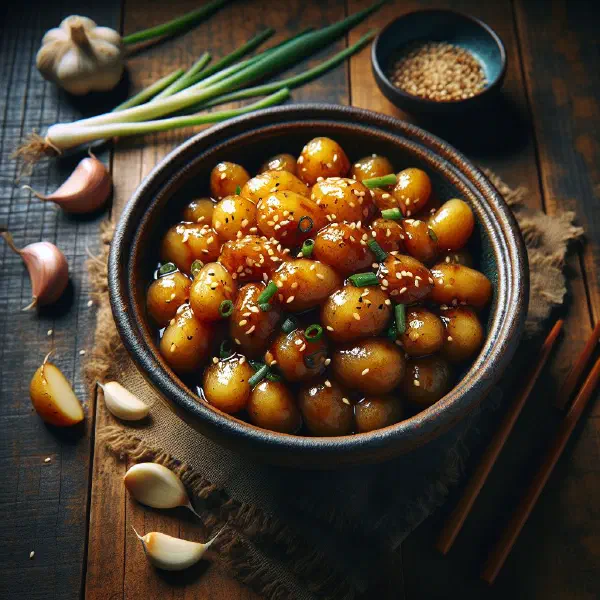
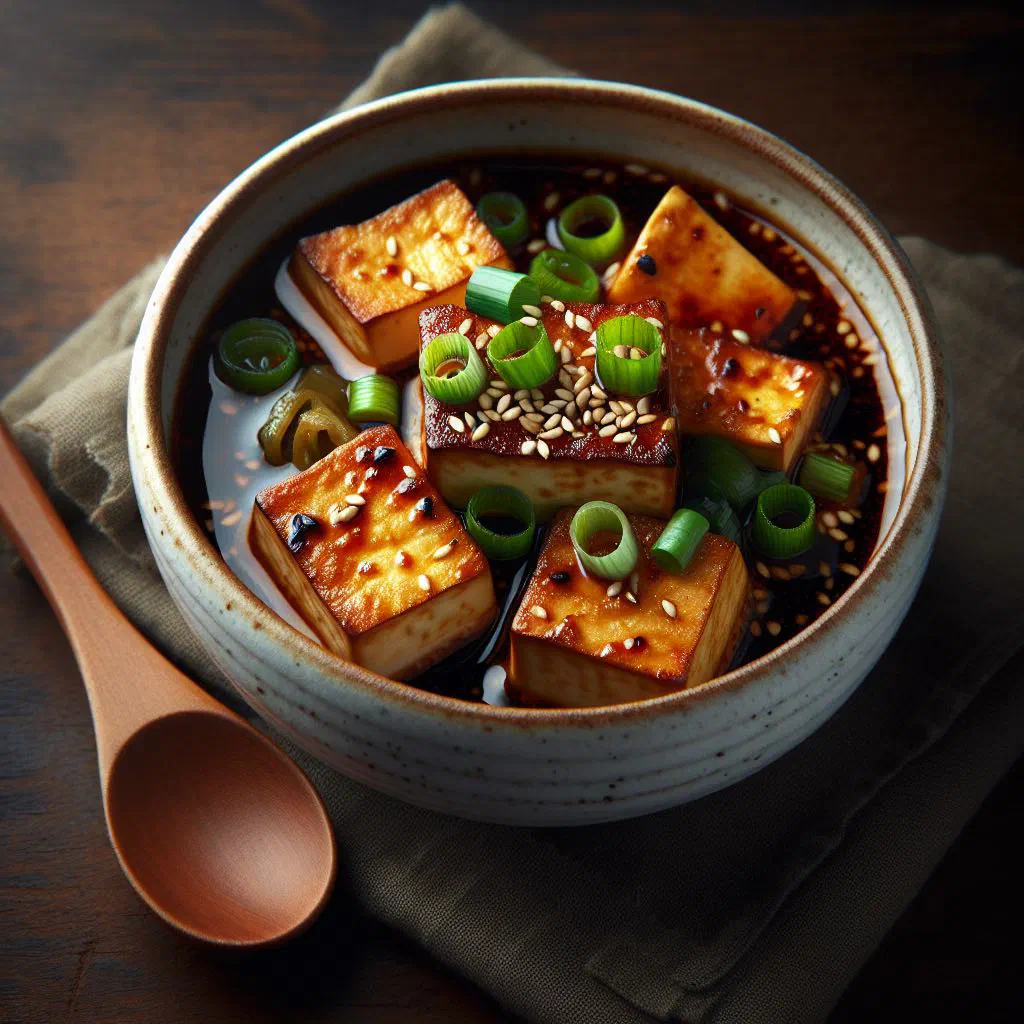
Meet Dubu Jorim, a humble Korean classic that turns a simple block of tofu into something genuinely moreish. Soft squares of tofu are braised in a savoury soy sauce glaze laced with garlic, sesame and spring onion, soaking up deep, comforting flavour as they cook. Naturally vegan and quick to put together, it makes a brilliant side dish or a light main, bringing a little taste of a Korean home kitchen straight to your table.
About Dubu Jorim
Dubu Jorim is a traditional Korean dish, most often served at home as a side dish alongside rice and other small plates. It is built around tofu, gently braised in a soy-sauce-based marinade that allows its delicate flavours to develop. The main components are tofu, soy sauce and a handful of seasonings that give the dish its distinctive character. Beyond being thoroughly delicious, it is rich in protein, which makes it a wholesome choice as well as a tasty one.
Ingredients (serves 1–2)
- 200g firm tofu
- 3 tablespoons soy sauce
- 1 tablespoon sesame oil
- 1 teaspoon sugar
- 2–3 spring onions
- 1 clove garlic, finely chopped
- Sesame seeds, to garnish
- Water, to taste
Shopping for the ingredients
For Dubu Jorim you will mostly need ingredients that are easy to find in Asian grocery shops or a well-stocked supermarket. Be sure to pick up firm tofu, as it holds its shape best and gives the dish the right texture. The soy sauce should be a good-quality one so it brings the full depth of flavour. When it comes to the sesame oil, a nutty, fragrant oil adds the kind of richness and warmth that makes the dish really sing.
Preparing the dish
Before you start cooking, drain the tofu well to remove any excess liquid. This improves the texture and helps the tofu take up the marinade more readily. Gently pressing it between two plates works wonders here. Once drained, cut it into even pieces so that everything cooks at the same rate and the glaze coats each square evenly.
Step-by-step instructions
- Cut the tofu into cubes and blanch briefly in hot water to firm it up.
- In a bowl, mix together the soy sauce, sesame oil, sugar and chopped spring onions.
- Add the tofu cubes to the marinade and leave to soak for at least 30 minutes.
- Pan-fry the marinated tofu over medium heat until golden brown on all sides.
- Add the garlic to the pan and cook briefly so its aroma comes through.
- Pour in a little water if needed to form a sauce, then simmer for a few minutes.
- Scatter over the sesame seeds and serve.
Gluten-free / lactose-free version
Dubu Jorim is easily made gluten-free simply by using a gluten-free soy sauce. Tamari is an excellent alternative and works beautifully here. The dish is naturally lactose-free, as it contains no dairy at all, which makes it even more appealing to many cooks.
Tips for vegans and vegetarians
Dubu Jorim is already vegan and vegetarian, since it contains no animal products whatsoever. To bring in a little extra flavour, you can add vegetables such as peppers or courgette. These add a splash of colour and boost the nutritional value of the dish. A squeeze of lemon or lime right at the end rounds everything off with a fresh, bright note.
More tips and tricks
To get Dubu Jorim just right, take care not to over-fry the tofu, or it can turn dry. Instead, cook it gently over medium heat so it stays tender. The marinade can be adjusted to suit your taste, a little chilli, for example, adds a welcome kick.
Adapting the recipe to your taste
The ease with which you can adapt it is part of what makes Dubu Jorim so appealing. Feel free to vary the quantities or introduce extra flavours that you enjoy. You might add peanuts or other nuts for a pleasing crunch, much like the textures you find in Dakgangjeong. Vegetables such as carrots or broccoli also pair wonderfully with this dish.
Ingredient substitutions
If you can’t use soy sauce, coconut aminos make a good gluten-free, lower-salt alternative. In place of the sugar, honey or agave syrup work nicely for a slightly sweeter finish. You can also swap the sesame oil for another vegetable oil, though you will lose some of that unmistakable nutty flavour. See what works best for you and don’t be afraid to experiment, the same spirit that makes a comforting Dubu Kimchi so satisfying.
Drink pairing ideas
When serving Dubu Jorim, the right drink can really complement the flavours. A crisp lager or a fruity white wine pairs wonderfully with the dish’s savoury notes. For an alcohol-free option, a cup of green tea or a homemade ginger infusion makes a refreshing choice. These drinks bring balance to the meal and broaden the whole tasting experience.
Serving and presentation ideas
The presentation of Dubu Jorim can make all the difference. Serve it in a deep bowl, garnished with fresh spring onions and toasted sesame seeds. Colourful vegetables can extend the display and make it even more inviting to the eye. The choice of tableware matters too, traditional Asian dishes help tie the meal to its Korean roots, just as they would for a hearty Gamjatang.
A bit of history
Dubu Jorim is a firm fixture of Korean cooking with a long tradition behind it. It began as an inexpensive yet nourishing meal for those working the land, where the tofu offered a protein-rich, vegetarian source of food. As Korean cuisine has spread around the world, the dish has won ever more admirers and is now seen as an essential hallmark of modern Korean cuisine.
More recipe ideas
Summary: Dubu Jorim
All in all, Dubu Jorim is a simple yet wonderfully tasty dish that adapts easily to all sorts of dietary needs. It brings together flavours and textures that please both the palate and the eye. With its many opportunities for personalisation and its straightforward preparation, it is delicious and a healthy choice for any occasion. Give it a go yourself and discover the delicious world of Korean cooking right in your own kitchen.