National Dish South Korea: Eomuk Tang (Recipe)
In this article
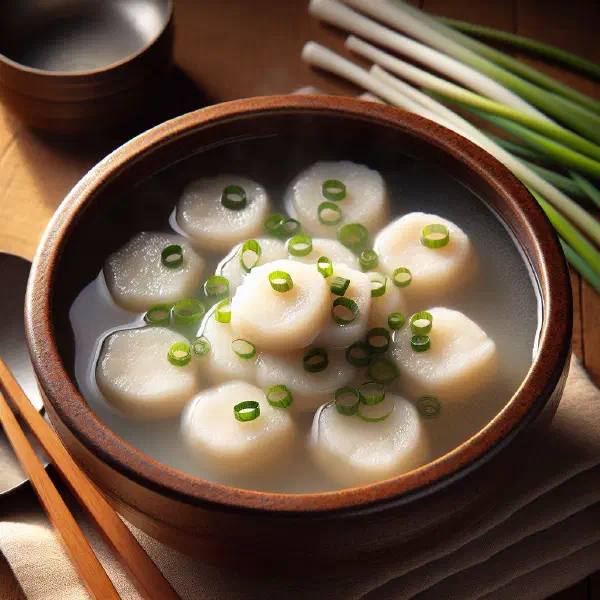
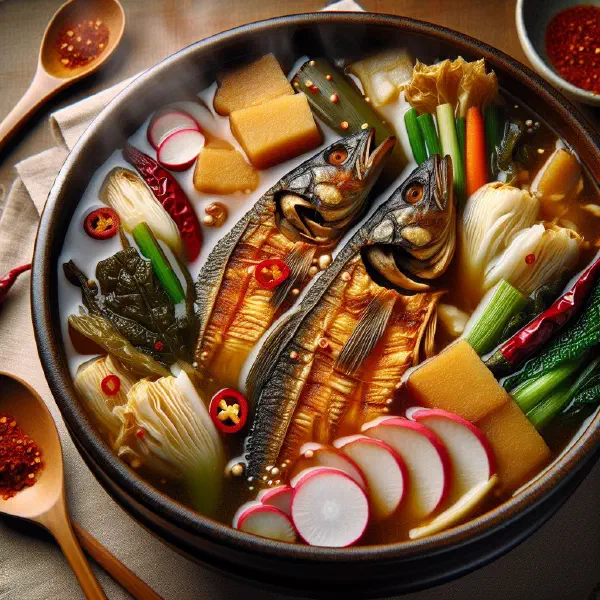
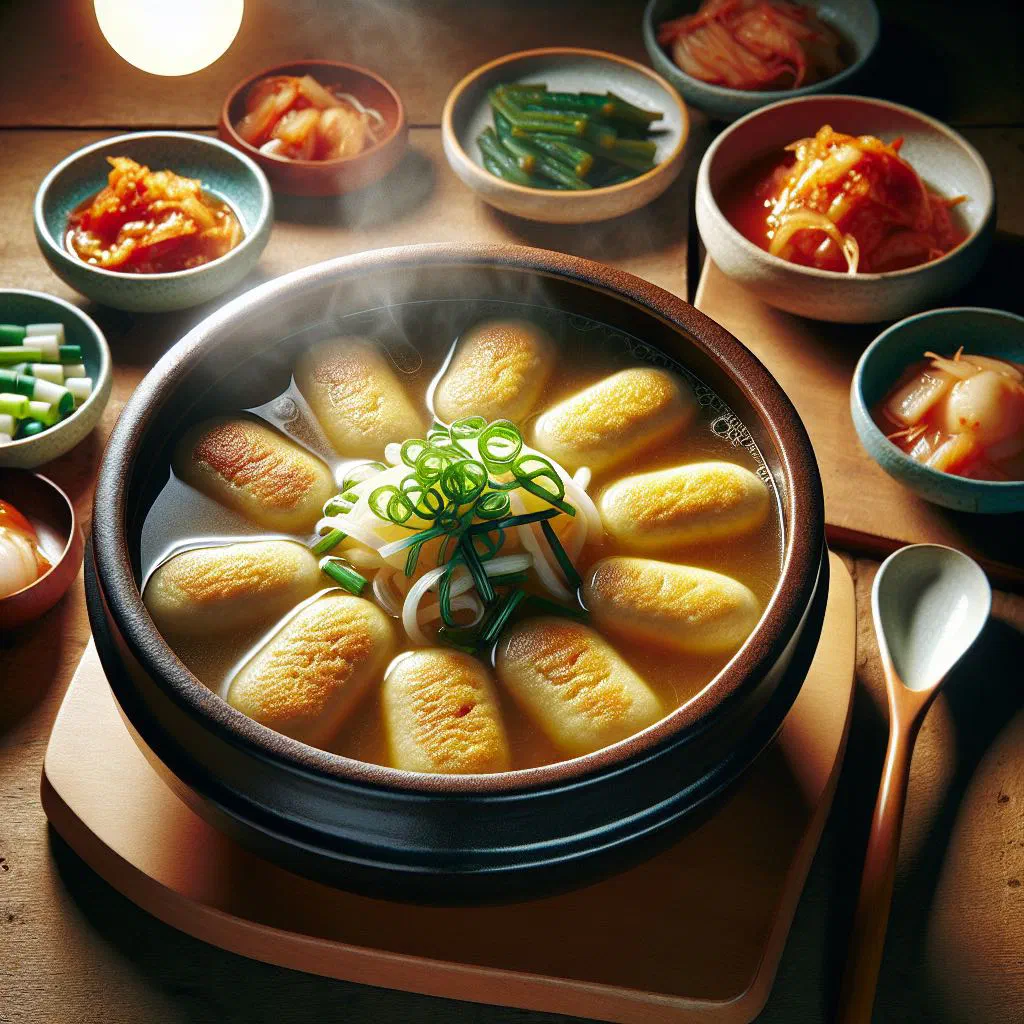
Warm up with Eomuk Tang, a traditional Korean fish soup that has comforted households across South Korea for generations. It brings together silky fish cakes and a deeply savoury broth, finished with a gentle hit of umami from the fish. Perfect for the cold months, or whenever you simply need a little nourishment, this soup carries the unmistakable flavours of Korean home cooking straight to your table.
About Eomuk Tang
Eomuk Tang is far more than a quick bowl of soup; it is balm for the soul. This Korean classic pairs chewy fish cakes with a robust, warming broth and is at its best in the cold season or when you are feeling under the weather. The savoury depth of the stock, lifted by the umami note of the fish, creates a comforting experience that has pleased people in South Korea for generations. Let the aromas carry you into the heart of Asian cooking and savour the authentic taste of eomuk tang.
Ingredients (serves 1–2)
- 200 g fish fillet (e.g. cod or pangasius)
- 100 g eomuk (Korean fish cakes)
- 1 litre vegetable or fish stock
- 1 small onion, sliced into rings
- 1 carrot, thinly sliced
- 2 spring onions, finely chopped
- Soy sauce, to taste
- A little sesame oil
Shopping for the ingredients
Once you have decided to make eomuk tang, the first step is shopping for fresh ingredients. Visit an Asian grocery or a market that specialises in international products. There you will usually find the Korean fish cakes and the various stocks that are essential to the dish. Be sure to choose fresh fish, as it makes all the difference to the final flavour. As with so many dishes in Korean cuisine, good ingredients are the foundation of a great result.
Preparing the dish
Before you start cooking, it pays to get all the ingredients prepped. That means chopping the vegetables and filleting the fish, if this has not already been done. Slicing the onion into rings and cutting the carrots into thin slices ensures everything cooks evenly. Set out your kitchen tools too, pots, pans and chopping boards, so the whole process runs smoothly from start to finish.
Step-by-step instructions
- Heat the stock in a large pot over medium heat.
- Add the sliced onion and carrot and let everything simmer for about 5 minutes.
- Add the fish cakes to the pot and cook for a further 5–7 minutes, until heated through.
- Add the fresh fish fillet and let it cook in the pot for around 3–4 minutes.
- Season the soup to taste with soy sauce and sesame oil.
- To serve, ladle the hot soup into bowls and garnish with spring onions.
Gluten-free / lactose-free version
For anyone following a gluten-free or lactose-free diet, there are a few simple swaps to keep in mind when making eomuk tang. Use a gluten-free soy sauce to preserve that essential umami flavour; these alternatives are stocked in most supermarkets or available online. What is more, most types of fish and fish cakes are naturally lactose-free, which makes this soup an ideal choice for anyone who is lactose intolerant.
Tips for vegans and vegetarians
Vegans and vegetarians can adapt this delicious soup to suit their diet with ease. Replace the fish fillet with tofu or tempeh, both of which make an excellent source of protein. In place of the fish cakes, use one of the plant-based alternatives available from specialist shops. These swaps keep the hearty, savoury character of the soup intact while making it something everyone can enjoy.
More tips and tricks
To take your eomuk tang up a notch, add extra vegetables such as pak choi or broccoli for added nutrients and texture. Experiment with different seasonings to fine-tune the flavour, too. A pinch of chilli lends the soup a welcome kick, while a little toasted garlic brings a deeper, rounder aroma. Above all, do not be afraid to adjust the soup to your own taste and preferences.
Adapting the recipe to your taste
The wonderful thing about eomuk tang is how readily it bends to personal preference. The broth can vary too. Try a spicier stock, for instance, for a more exciting result. You can also enrich the soup with special spices or herbs to give it even more depth and variety.
Ingredient substitutions
There are plenty of substitutions you can reach for when cooking eomuk tang. If you would rather avoid fish or fancy a plant-based version, simply switch to vegetable stock and plant-based fish alternatives. You can get creative with the seasonings as well: instead of soy sauce, try tamari or coconut aminos to vary the flavour. The same easygoing approach to swaps works beautifully in dishes like Kongnamul Guk, and it ensures everyone can enjoy this comforting soup.
Drink pairing ideas
To complement the flavours of eomuk tang, choose drinks that sit well alongside its savoury, umami-rich notes. A light white wine such as a Sauvignon Blanc pairs perfectly with the broth, while a cold beer or a cup of green tea make excellent companions too. Try a few different pairings to discover your own favourite.
Serving and presentation ideas
Presentation can lift the eomuk tang experience considerably. Serve the soup in colourful bowls to create an inviting setting. Garnish the top with fresh herbs such as coriander or chives for a lovely splash of colour. A pretty set of chopsticks doubles as both cutlery and a stylish nod to Korean dining culture.
A bit of history
Eomuk tang has a history in Korean cuisine. The fish cake at its heart became established on the streets of Seoul over many years, first sold as a popular street food before quickly winning hearts and finding its way into countless homes across South Korea. The pairing of fish, vegetables and a hearty broth reflects the essential bond between Korean cooking and nature, with its emphasis on seasonal eating, much like the warming bowl of Yukgaejang.
More recipe ideas
Summary: Eomuk Tang
Eomuk tang is a hearty, nourishing dish that warms the body and lifts the spirits in equal measure. With its harmonious blend of fish cakes, fresh vegetables and a savoury broth, it makes for an unrivalled taste experience. Whether shared among friends or enjoyed as a warming lunch on a cold day, this soup has something for everyone. Take your time, discover its flavours, and enjoy the gentle art of preparing this wonderful piece of Korean cooking.