National Dish South Korea: Galbi (Recipe)
In this article
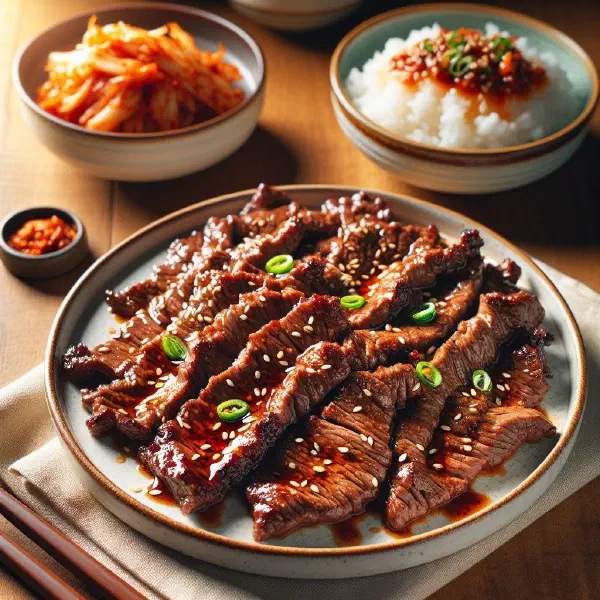
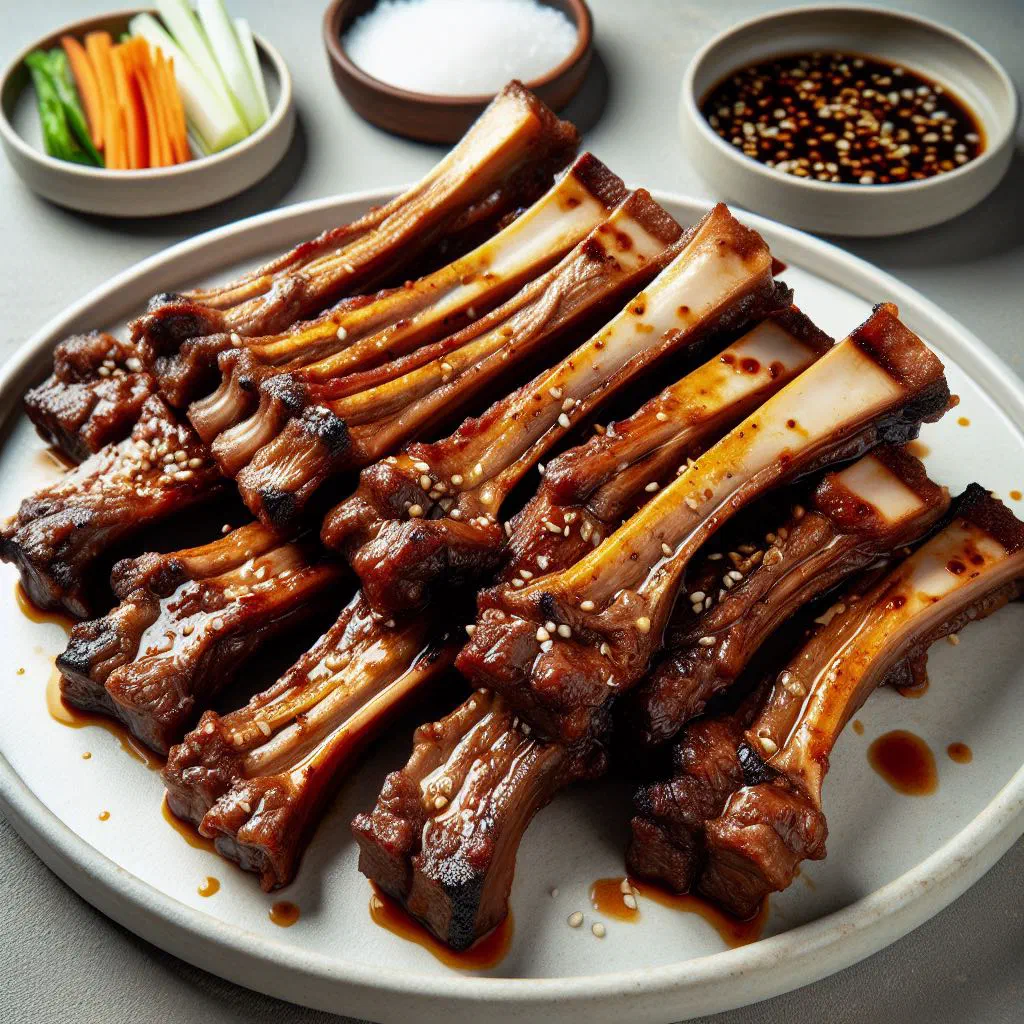
Meet Galbi, the smoky, glistening star of any Korean barbecue table. These tender, marinated short ribs are steeped in a sweet-and-savoury soy glaze before hitting the grill, where they char to caramelised perfection. It is a dish built for sharing, the kind of food that turns a relaxed evening with friends or family into a proper feast. Bring the warmth and aroma of a Seoul grill house straight into your own kitchen.
About Galbi
Galbi, also known as Korean BBQ ribs, is a much-loved dish from Korea that brings together warm-hearted conviviality and a wonderful depth of flavour. Making it well calls for the best ingredients and for a little craft to get those tender ribs onto the grill just right. Traditionally they are steeped in a spiced marinade that is rich with aroma. The dish is perfect for a cosy gathering with friends or family, where everyone tucks in together.
Ingredients (serves 1–2)
- 400 g beef short ribs
- 100 ml soy sauce
- 5 cloves garlic, chopped
- 2 tablespoons sesame oil
- 2 tablespoons honey or sugar
- 1 teaspoon black pepper
- 1 spring onion, chopped
Shopping for the ingredients
Choosing the right ingredients is key to the flavour of galbi. Look for fresh beef ribs, ideally cut from the rib roast, as this is prized for its tenderness. A good-quality soy sauce matters too, since it provides that hearty umami backbone. Beyond that, seek out fresh garlic and fresh spring onions, as they deepen and intensify the aroma of the marinade.
Preparing the dish
Preparing galbi is mostly a matter of marinating the ribs. To draw out the full flavour, it is best to leave the ribs in the marinade for at least 4 hours, or overnight. The longer they steep, the more tender they become on the grill. To make the marinade, simply combine all the ingredients in a bowl and add the ribs, turning them so they are evenly coated.
Step-by-step instructions
- Pour the prepared marinade over the ribs and massage it in well.
- Leave the ribs to marinate in an airtight container in the fridge for at least 4 hours.
- Preheat the grill to a medium heat.
- Lift the ribs from the marinade and grill on all sides until nicely browned and cooked through (about 10–15 minutes).
- Take the galbi ribs off the grill, let them rest briefly, then slice and serve.
Gluten-free / lactose-free version
To make galbi gluten-free, simply use a gluten-free soy sauce, which is widely available in supermarkets. Take care that all the other ingredients and seasonings you use are gluten-free as well. For a lactose-free version no special adjustments are needed, since galbi contains no dairy. That means you can enjoy the dish with complete peace of mind.
Tips for vegans and vegetarians
Galbi is easily adapted for vegans and vegetarians by swapping the ribs for grilled tofu or jackfruit. The marinade and method stay exactly the same, giving an equally aromatic result. Be sure to press the tofu well so it can soak up the marinade more effectively. The outcome is a delicious grilled dish with the very same sweet-and-savoury notes.
More tips and tricks
To get the best out of your grilling, cook the ribs over direct heat so they develop a lovely roasted aroma. Alternatively, they can be prepared in the oven under the grill setting. Scattering the ribs with sesame seeds and serving them with pickled vegetables really highlights Korean food culture. These small touches can make the whole galbi experience even better and bring out the flavour combination beautifully.
Adapting the recipe to your taste
The marinade for galbi can be tailored entirely to your own taste. If you like things spicy, just add a little chilli paste or some freshly ground pepper. For a sweeter version, increase the amount of honey or sugar. You can also vary the additions, a touch of ginger or some roasted garlic gives an even more distinctive flavour. The same fragrant garlic-and-sesame base lends itself well to dishes like Bossam.
Ingredient substitutions
If you cannot find beef short ribs, veal or pork ribs make a tasty alternative. In place of soy sauce you can use coconut aminos, which are less salty but still full of flavour. For the marinade, maple syrup or agave nectar work well for sweetness if you would rather avoid refined sugar. Experiment with different ingredients to find your own personal favourite, much as you would when fine-tuning the heat in a bowl of Dak Galbi.
Drink pairing ideas
Galbi goes brilliantly with Korean beer or soju (Korean rice spirit). These drinks harmonise wonderfully with the bold flavour of the grilled ribs. A lightly chilled white wine or a fruity cocktail can make a good partner too, offering a refreshing contrast. Choose a drink that complements the flavours of the dish to round off a truly satisfying meal.
Serving and presentation ideas
To serve galbi at its most inviting, arrange the grilled ribs on a large, rustic wooden board. Decorate the board with fresh spring onions and sesame for a particularly appealing look. Serve the ribs with various side dishes such as kimchi, rice and salad to present an authentic Korean meal. Touches like these ensure your dish appeals to not only the palate but the eye too, a little like a colourful spread of Ssambap.
A bit of history
Galbi has a long history in Korean cooking and is a symbol of the fascination of the Korean BBQ tradition. In its earliest days it was cooked over open fires and often formed part of grand festivities and celebrations. As grill restaurants spread, galbi grew in popularity and is today one of the best-known dishes in Korean cuisine. It reflects the deep connection between good food and good company that runs through all of South Korean cuisine.
More recipe ideas
Summary: Galbi
Galbi is an experience of Korean food culture in its own right. With its delicious marinade and its preparation over the grill, it offers a unique taste sensation perfectly suited to sociable occasions. Whether for a festive event or a laid-back barbecue with friends, galbi brings people together and lets them savour the rich tradition of Korean cuisine. Let this dish inspire you and discover the many possibilities of Korean cooking.