National Dish South Korea: Galbitang (Recipe)
In this article
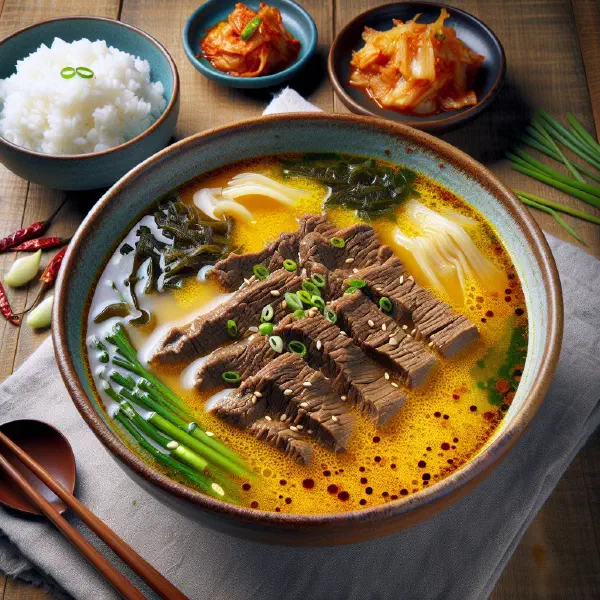
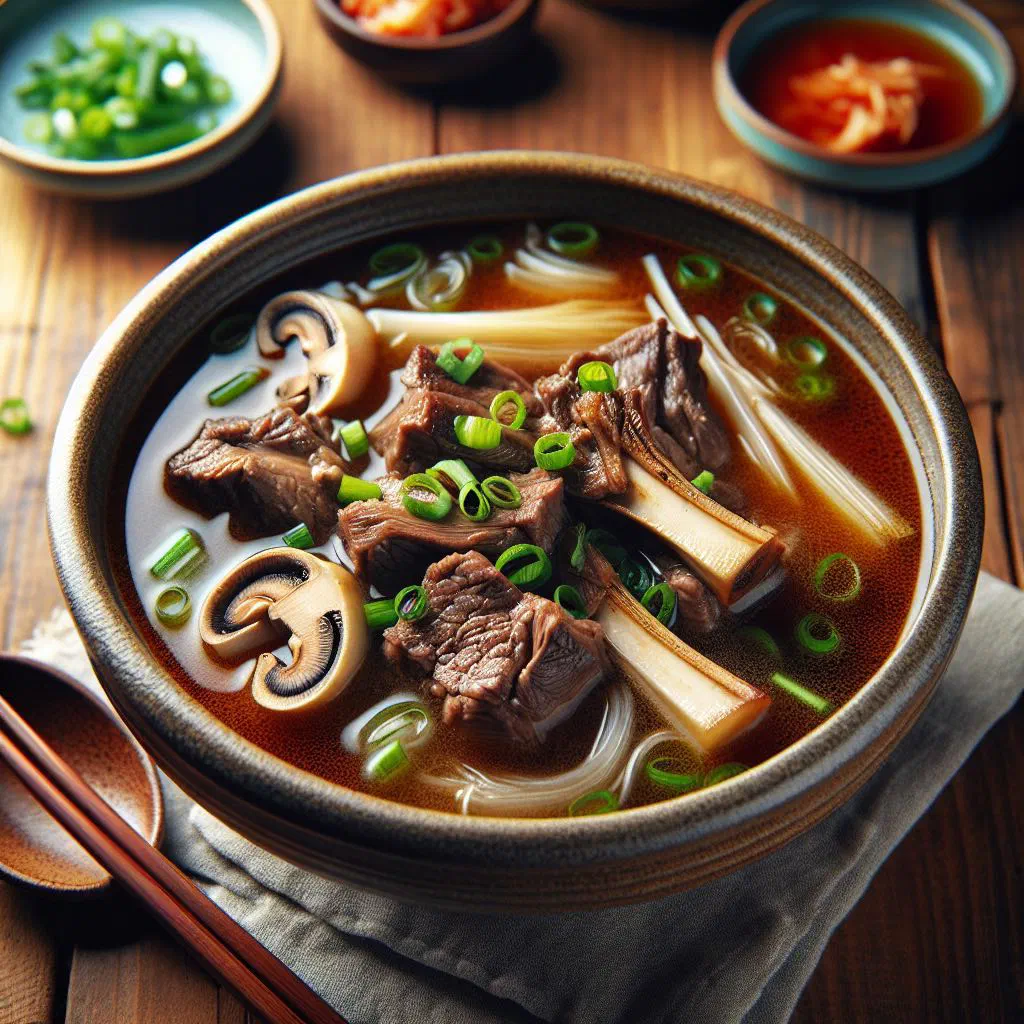
Warm, nourishing and deeply comforting, Galbitang is a clear Korean beef soup built around meltingly tender short ribs. Slow-simmered until the broth turns rich and fragrant, it brings together beef short ribs, fresh vegetables and gentle aromatics for a bowl that feels both restorative and celebratory. Traditionally served at family gatherings and festive occasions, it is the kind of dish that draws everyone to the table. Perfect for cold days or whenever you want to treat the people you love.
About Galbitang
Galbitang is far more than a simple soup; it is a cornerstone of Korean cuisine, cherished for its warm flavours and its wonderfully tender ribs. This traditional beef soup is often served at festive occasions and has a way of bringing the whole family together. The combination of soft, slow-cooked beef, fresh vegetables and aromatic seasonings makes for an eating experience that is both nourishing and satisfying. Enjoy galbitang on chilly days or at special celebrations to spoil yourself and those around you.
Ingredients (serves 1–2)
- 500 g beef short ribs
- 1 onion
- 2–3 cloves garlic
- 1 small carrot
- 1 small courgette
- 1–2 spring onions
- 1 piece of ginger (about 2 cm)
- 2–3 tablespoons soy sauce
- 1 tablespoon sesame oil
- 1–2 litres water
- Salt and pepper, to taste
Shopping for the ingredients
When shopping for galbitang, pay close attention to the quality of the beef short ribs, as they are decisive for the flavour of the soup. The best choice is fresh, well-marbled ribs that turn tender and juicy during the long simmer. The remaining ingredients, such as the vegetables and seasonings, are easy to find in most supermarkets or Asian grocery stores. It is well worth choosing fresh produce to draw the finest aroma out of your soup.
Preparing the dish
Before you begin cooking galbitang, it helps to prepare all of your ingredients. Start by rinsing the ribs thoroughly and cutting them into pieces if this has not been done already. Chop the vegetables to your liking, evenly sized pieces cook at the same rate. The garlic and ginger should be crushed or finely chopped so they release their aromas to the full.
Step-by-step instructions
- Place the beef short ribs in a large pot and cover with cold water. Bring to the boil, then simmer for about 10 minutes.
- Drain off the water to remove any impurities, then return the ribs to the pot.
- Add the onion, garlic, ginger and vegetables, then pour in fresh water.
- Reduce the heat and let the soup simmer gently for at least 1.5 to 2 hours, so the flavours can develop fully.
- Season to taste with soy sauce, salt and pepper, and finish by garnishing with chopped spring onions.
Gluten-free / lactose-free version
Galbitang is easy to prepare gluten-free and lactose-free by replacing the regular soy sauce with a gluten-free version. Many Asian shops carry gluten-free soy sauces that are perfect for this recipe. Keep an eye on other ingredients such as stock or seasonings, too, choosing gluten-free products where needed. To avoid lactose entirely, simply make sure no dairy goes into the pot, which is not usually required here in any case.
Tips for vegans and vegetarians
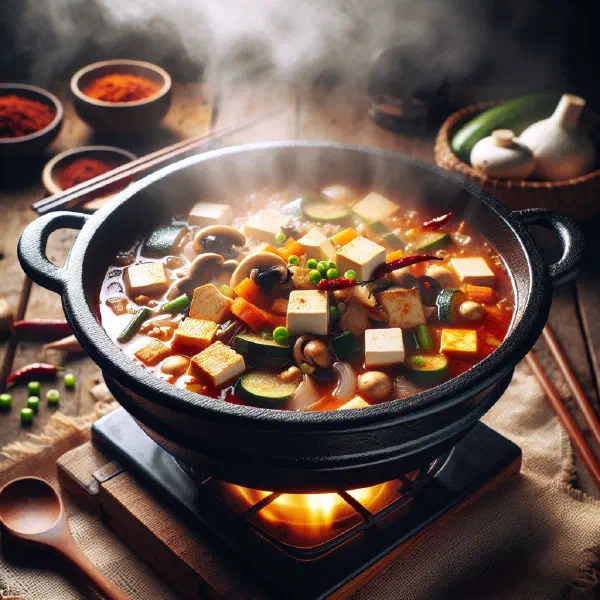
For a vegan or vegetarian take on galbitang, you can swap the beef for tofu or seitan to achieve a similar texture. Use a vegetable stock in place of plain water to deepen the flavour. The vegetables can be adjusted freely as well. Try adding mushrooms for a hearty, savoury note that might otherwise be missing. There are many ways to adapt this traditional dish and still arrive at a delicious result.
More tips and tricks
A common tip for making galbitang is to parboil the meat first, which gives you a clearer and more flavourful broth. You can also let the soup rest overnight; the flavours keep developing and grow more intense. To make the broth especially smooth, skim off any foam as it rises to increase its clarity. Done this way, the soup becomes the festive highlight of your dinner table.
Adapting the recipe to your taste
One of the lovely qualities of galbitang is its flexibility. You can adjust the seasonings entirely to your liking, more ginger for extra warmth, or a range of different vegetables for more variety. The consistency can be tuned too, by adding more or less broth for a thicker or thinner soup. Feel free to experiment with different ingredients to create your own favourite version of galbitang, much as you would with a hearty Seolleongtang.
Ingredient substitutions
If certain ingredients are hard to find, there are plenty of alternatives you can use. Courgette, for example, can be replaced with pumpkin or sweet potato to lend the soup a different sweetness. Instead of soy sauce, tamari or coconut aminos are a good choice for a similar flavour.
Drink pairing ideas
Galbitang goes beautifully with a variety of drinks. Traditionally it is served with rice wine or a light white wine that complements the flavours and refreshes the palate. For an alcohol-free option, offer full-bodied herbal teas or cold water with a squeeze of lime to support the flavour of the soup. Aim for a drink that underlines the savoury, warming character of the dish.
Serving and presentation ideas
The presentation of galbitang can be enhanced by serving it in a beautiful, traditional Korean bowl that shows the dish off to its best advantage. Garnish the soup with fresh herbs such as coriander or extra spring onions to add a splash of colour. You might also offer small dishes of sides such as pickled vegetables or rice to enrich the experience. An appealing arrangement makes the meal more inviting and brings out the cultural side of the dish.
A bit of history
Galbitang has a long and fascinating history within Korean cuisine. Once served in royal households, this dish symbolises hospitality and the high culinary artistry of Korea. It is often prepared for special occasions and feasts, which underlines its significance. The tradition of eating galbitang has been passed down from generation to generation and remains a much-loved dish in many Korean homes today, a proud part of Korean cuisine.
More recipe ideas
Summary: Galbitang
In short, galbitang is a hearty and traditional Korean dish that wins hearts with its tender ribs and aromatic ingredients. It is delicious and an expression of Korean hospitality, perfect for festive occasions and cold days alike. Let this recipe inspire you and discover the variety and richness of Korean cooking in your own kitchen.