National Dish South Korea: Gamjatang (Recipe)
In this article
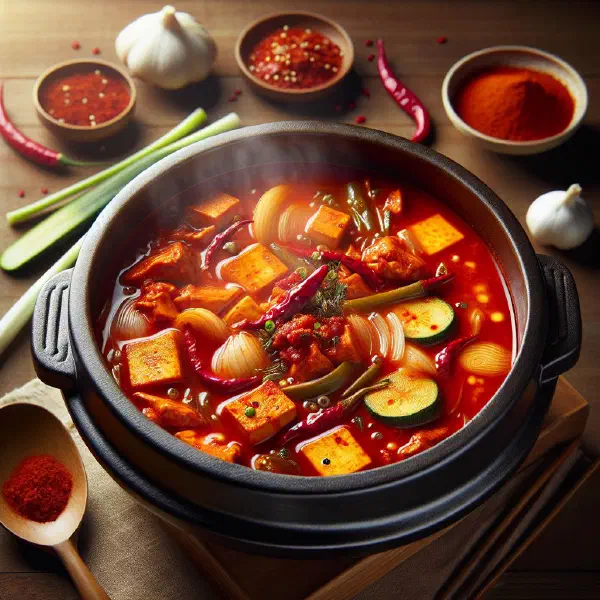
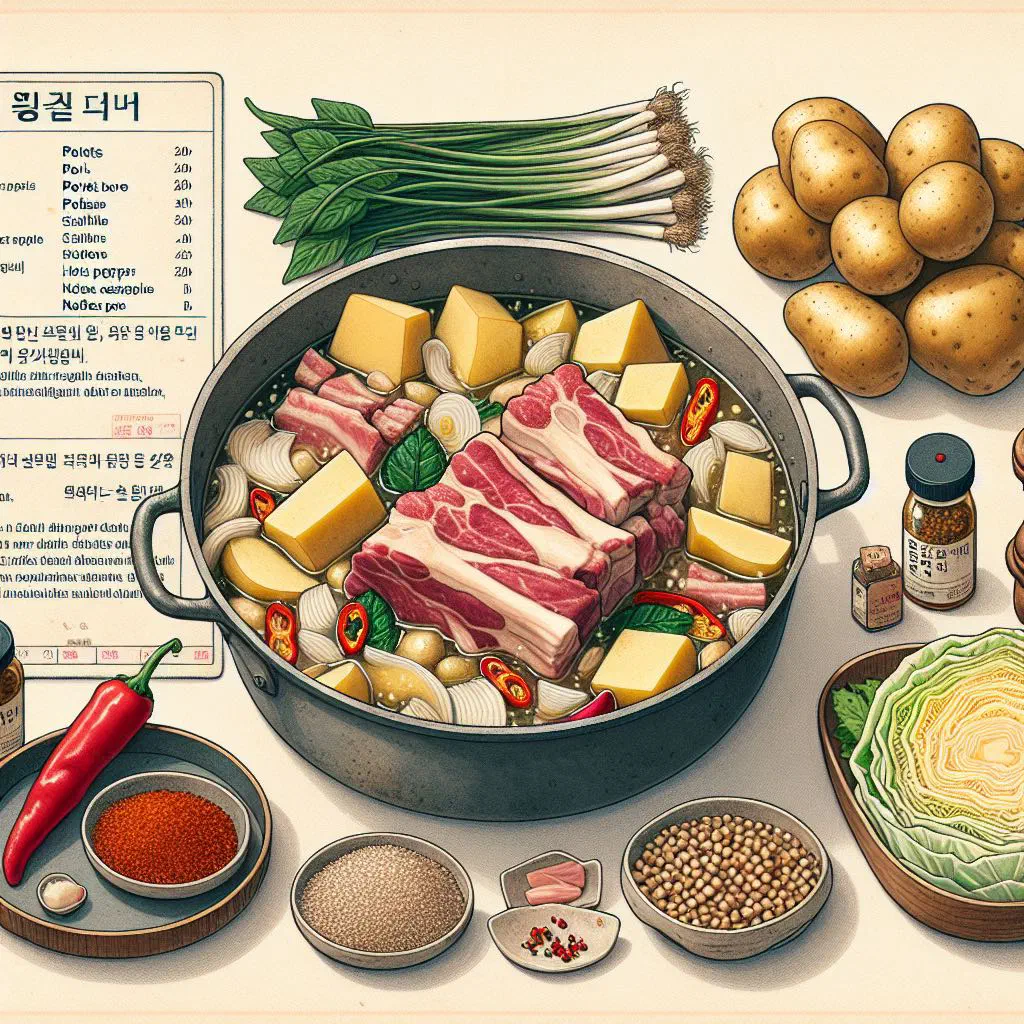
Warm up with Gamjatang, one of South Korea’s most comforting bowls. This hearty pork-and-potato soup brings together tender meat, chunky potatoes and a deep, spicy broth that practically chases the cold away. With its lively mix of gochujang, garlic and fresh chilli, it is the kind of dish made for sharing, gathered around the table with family or friends on a chilly evening. Bring a taste of a Korean kitchen straight to your own home.
About Gamjatang
Gamjatang is a much-loved national dish of South Korea, a robust potato soup that can brighten even the coldest of days. It pairs tender pork with a generous array of warming spices and fresh ingredients. The combination of potatoes, chilli and spring onions in particular gives the soup its unmistakable character. Traditionally enjoyed in good company, gamjatang is ideal for family meals or get-togethers with friends, and it sits proudly within the rich world of Korean cuisine.
Ingredients (serves 1–2)
- 500g pork neck or pork bones
- 300g potatoes
- 1 onion
- 2–3 cloves of garlic
- 1–2 fresh chillies
- 3 spring onions
- 1 litre water
- 2 tablespoons Korean chilli paste (gochujang)
- 1 tablespoon soy sauce
- Salt and pepper, to taste
Shopping for the ingredients
When shopping for gamjatang, it is well worth paying attention to the quality of the meat. Fresh pork is crucial for both the flavour and the texture of the soup. The potatoes should also be firm and free of blemishes to achieve the best consistency. It is a good idea to visit a Korean grocery to track down authentic gochujang and other key ingredients that bring out the soup’s distinctive aromas.
Preparing the dish
Before you start cooking, thorough preparation of the ingredients is essential. Peel the potatoes and cut them into large chunks, while the onion is finely diced. The garlic can be lightly crushed or finely chopped to release its aroma. Slice the fresh chillies into rings as well, varying the amount according to how much heat you would like.
Step-by-step instructions
- In a large pot, brown the pork together with the onion and garlic until lightly coloured.
- Add the water and bring to the boil, taking care to skim off the foam.
- Stir in the potatoes, gochujang and soy sauce, then reduce the heat and let the soup simmer for around 40 minutes.
- Season with salt and pepper, and add the sliced spring onions and chillies just before serving.
Gluten-free / lactose-free version
Gamjatang is naturally a dish that can easily be made gluten-free. Be sure to use a gluten-free soy sauce so the soup is suitable for anyone with a gluten intolerance. For a lactose-free version, simply make sure no lactose-containing products such as cream or milk are added. That way the soup keeps all of its flavour without needing any extra fats.
Tips for vegans and vegetarians
Although gamjatang is traditionally made with meat, there are plenty of creative ways to adapt it for vegans and vegetarians. Replace the pork with tofu or tempeh and use vegetable stock in place of meat broth. Further tweaks might include adding a variety of vegetables, such as carrots or mushrooms, to boost both flavour and substance. The enjoyment of those bold aromas remains, even without any animal products.
More tips and tricks
A few simple tips and tricks can make your gamjatang even better. The long cooking time, for instance, helps the meat turn meltingly tender and allows the flavours to develop fully. A drizzle of sesame oil just before serving adds an extra layer of aroma. Ideally the soup is best made fresh for the finest flavour, though it also keeps well and can be reheated later.
Adapting the recipe to your taste
Gamjatang is easy to tailor to your own preferences, for example by adding extra vegetables. Experiment with ingredients such as pumpkin or sweet potato for a sweeter version. The heat, too, can be adjusted simply by varying the amount of chilli. That way everyone has the chance to create their own personal take on gamjatang.
Ingredient substitutions
If you do not have certain ingredients to hand, there are plenty of alternatives for adapting the recipe. Instead of soy sauce you can use tamari to achieve a similar flavour. For the chilli paste, many people reach for sriracha or a homemade hot paste, depending on personal taste, the same kind of bold heat that runs through Dak Galbi. Substitutions like these offer flexibility without losing the characteristic flavour of gamjatang.
Drink pairing ideas
A hearty dish like gamjatang pairs beautifully with traditional drinks such as Korean beer or makgeolli. These alcoholic options harmonise perfectly with the heat and the deep flavours of the soup. For an alcohol-free choice, Korean herbal teas or simply sparkling water with lemon work well. This kind of accompaniment rounds off the meal and makes for a well-balanced eating experience.
Serving and presentation ideas
The presentation of gamjatang can be lifted with a few simple touches. Serve the soup in traditional Korean bowls to create an authentic feel. Garnish with fresh herbs such as coriander or extra spring onions. Offering pickled vegetables on the side, much like the side dishes that accompany Ssambap, also makes the dish look more inviting and interesting.
A bit of history
Gamjatang has a history in Korean cooking and is often regarded as home-style comfort food. It is a dish frequently served at festivals or family gatherings as a symbol of warmth and togetherness. The roots of the dish reach back to old Korea, where it grew out of the need to create nourishing meals from the humbler cuts of the pig. That tradition continues to this day, making gamjatang a firm favourite in many Korean households, a heritage it shares with rustic classics like Soondae.
More recipe ideas
Summary: Gamjatang
Gamjatang is a delicious, nourishing dish and a special experience that immerses you in Korean cuisine. This hearty soup is ideal for cold days and sociable gatherings, bringing together a wealth of flavours that please the palate. Gamjatang remains a much-loved recipe in many homes. Let this Korean delicacy win you over, and enjoy every step of making it.