National Dish South Korea: Gejang (Recipe)
In this article
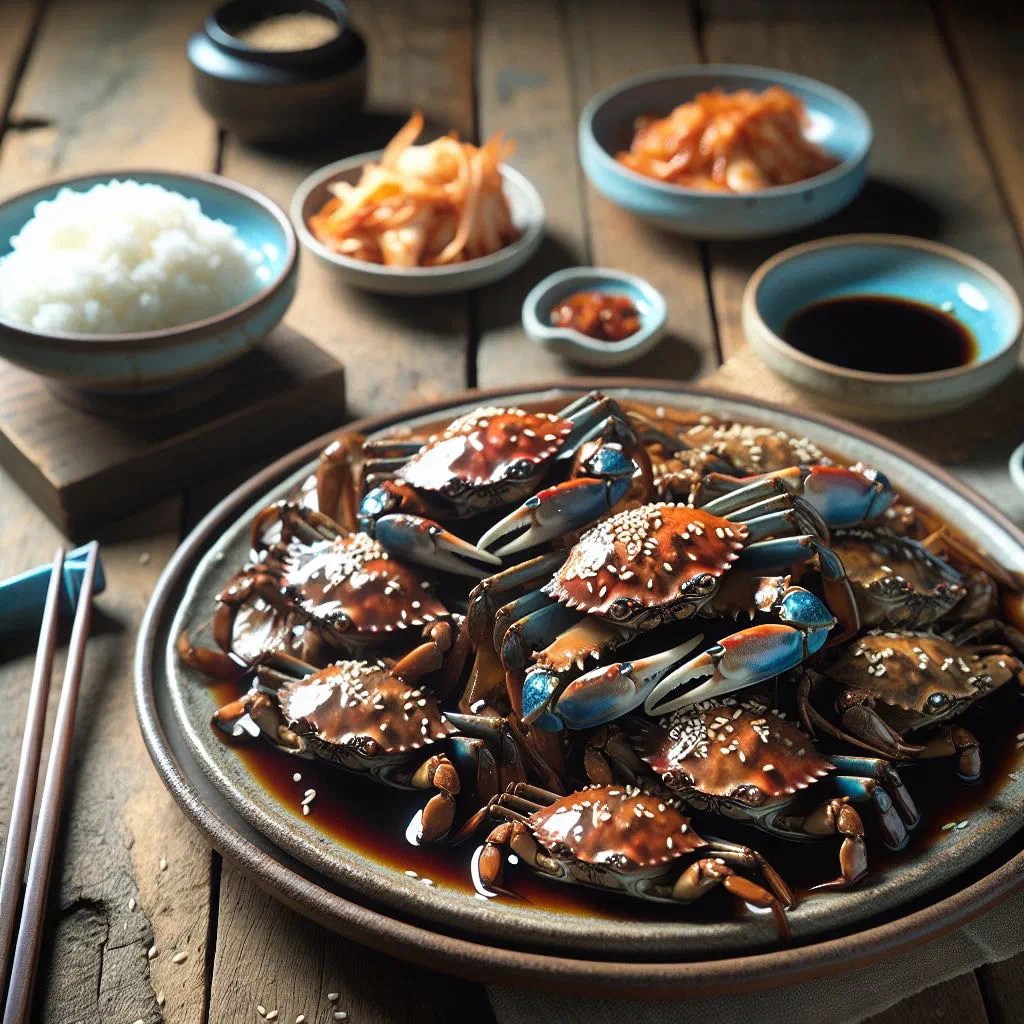
Meet Gejang, one of South Korea’s most distinctive seafood treasures. These raw crabs are steeped for days in a deeply savoury marinade built on soy sauce or fiery gochujang, soaking up an intense, briny flavour like nothing else. Famed across the country and especially beloved in the Jeolla region, this dish delivers a punch of umami and a texture that is at once tender and crisp. It is bold, traditional Korean cooking at its most memorable.
About Gejang
Gejang, also known as marinated crab, has grown into a firm favourite among many Koreans. In the Jeolla-do region in particular, preparing and savouring gejang has become a real cultural tradition. Fresh crabs are steeped in a punchy marinade of soy sauce or gochujang and left to mature over several days. The dish is celebrated for its intense umami note and for a texture that is both delicate and pleasingly firm.
Ingredients (serves 1–2)
- 2 fresh crabs, ideally blue swimmer or shore crabs
- 100 ml soy sauce
- 1–2 tablespoons gochujang paste (to taste)
- 1 tablespoon sesame oil
- 2–3 spring onions, sliced into rings
- 1–2 garlic cloves, chopped
- 1 teaspoon ginger, grated
- A few sesame seeds, to sprinkle
Shopping for the ingredients
When you set out to make gejang, it pays to choose the very best ingredients. Look for fresh crabs that are still lively, as this guarantees the finest quality. The other ingredients, soy sauce and gochujang among them, are readily available in most Asian grocers. Wherever you can, reach for organic and local produce to make the dish feel that bit more authentic.
Preparing the dish
Preparing gejang is fairly straightforward, though it does call for a little patience while the flavours mingle. First, the crabs need a thorough clean before they go into the marinade. Rinse them in cold water, taking care to remove every trace of grit. Once that is done, mix up the marinade and submerge the prepared crabs so they can drink in the aromas as fully as possible.
Step-by-step instructions
- Clean the crabs thoroughly under cold running water.
- In a bowl, combine the soy sauce, gochujang, sesame oil, garlic and ginger until well blended.
- Place the crabs in the marinade, making sure they are fully covered.
- Cover the bowl and leave to steep in the fridge for at least 24 hours.
- Before serving, lift the crabs from the marinade and garnish with spring onions and sesame seeds.
Gluten-free / lactose-free version
For a gluten-free version of gejang, simply use a gluten-free soy sauce, which tastes wonderful and leaves the flavours untouched. The marinade is already lactose-free, so the dish suits anyone with a lactose intolerance. Do double-check that all the other ingredients are gluten-free too, so the finished dish meets every dietary need.
Tips for vegans and vegetarians
Although gejang is traditionally made with crab, there are ways to create a vegan version of the dish. In place of crab, try aubergine or tofu, both of which soak up the marinade beautifully and offer a similar depth of flavour. Marinate your chosen ingredients for at least 24 hours as well, so the aromas really come through. That way vegans and vegetarians can enjoy these gorgeous flavours too.
More tips and tricks
To make gejang just right, it helps to blanch the crabs briefly before they go into the marinade. This improves the texture and lets the flavours work their way deep into the meat. Bear in mind that the quality of the marinade is everything, so use fresh, top-grade ingredients. Another tip is to build a wet marinade tuned to your own palate, which makes the dish all the more exciting.
Adapting the recipe to your taste
The beauty of gejang lies in how flexible it is. You can dial the heat of the marinade up or down by adding more or less gochujang. Other seasonings such as black pepper or chilli flakes can be stirred in too, to ring the changes on the flavour. Experiment with different herbs or vegetables to make the dish your own and come up with your own variations.
Ingredient substitutions
If you cannot lay your hands on fresh crabs, frozen or tinned crab will also marinate nicely. In place of gochujang you might use sriracha, though apply it sparingly to reach the heat you are after. Soy sauce can likewise be swapped for tamari to give a gluten-free alternative. A creative hand with the ingredients is what will make your dish stand out, the same spirit you would bring to a comforting Gamjatang.
Drink pairing ideas
Gejang sits beautifully alongside traditional Korean drinks. A green tea or a chilled rice wine complements the dish wonderfully and keeps the flavours in balance. A wheat beer also makes a refreshing match, taming the spice of the gejang. Pair it with soju or a homemade Korean lemonade to round off a complete Korean feast, much as you might serve a platter of Pajeon.
Serving and presentation ideas
For an eye-catching presentation, arrange the marinated crabs on a large platter. Scatter fresh herbs and finely sliced spring onions around them for a bright, colourful look. Serve the dish with small bowls of the marinade so guests can adjust their gejang to taste. We eat with our eyes first, and a handsome presentation will make the experience memorable.
A bit of history
Gejang has a long history in Korean cooking and began life as a way of preserving fresh crabs. By steeping them in soy sauce and seasonings, the crabs could be kept for much longer. Over time gejang grew into a beloved dish enjoyed in homes and restaurants alike. It mirrors a culture that prizes fresh ingredients and bold, aromatic flavours, a hallmark of South Korean cuisine.
More recipe ideas
Summary: Gejang
Gejang is far more than a dish; it is a cultural experience that captures the very essence of Korean cooking. The pairing of raw, marinated crab with a punchy marinade lets you revel in the intense flavours of this one-of-a-kind speciality. Gejang offers the perfect chance to discover new tastes. Be brave, make this flavour-packed dish, and experience the fascination of Korean food culture for yourself.