National Dish South Korea: Gimbap (Recipe)
In this article
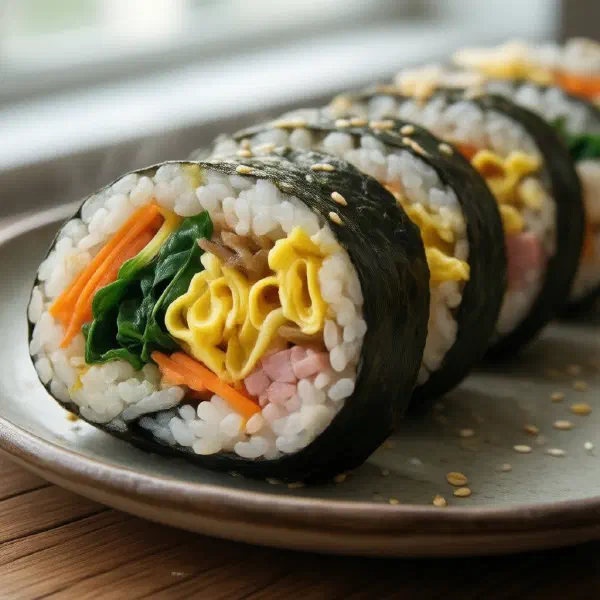
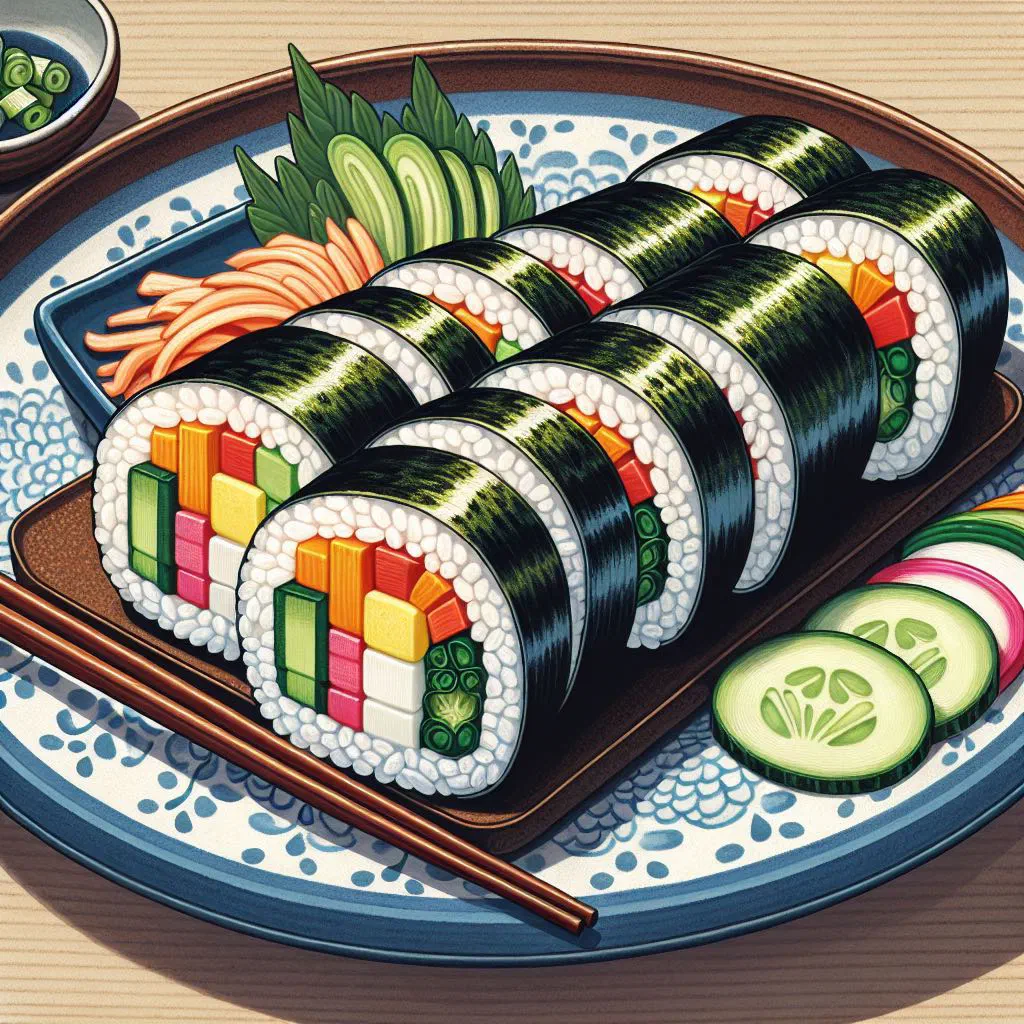
Say hello to Gimbap, South Korea’s brilliantly portable answer to a picnic lunch. These tightly rolled parcels wrap fluffy seasoned rice and a rainbow of fillings inside a glossy sheet of nori, and they are as fun to assemble as they are to eat. Fresh vegetables, a few strips of egg, a little marinated meat. Each roll is a small celebration of colour and texture. Bring a slice of Korean street food culture straight to your own kitchen.
About Gimbap
Gimbap is far more than a quick bite; it is a culinary experience that captures the freshness and variety at the heart of Korean cooking. These rice-filled rolls are wonderfully practical for life on the go, yet they also lend themselves to endless variation. Traditionally they are made with cooked vegetables, meat or fresh fish, which makes them a genuinely healthy snack. Because you choose the fillings yourself, everyone can put together their own favourite combinations and enjoy the bright colours arranged on the plate.
Ingredients (serves 1–2)
- 2 cups cooked rice
- 4 sheets of nori
- 1 carrot, cut into fine strips
- 1 cucumber, cut into fine strips
- 100 g spinach, blanched
- 1 egg, fried and sliced into strips
- 3–4 slices of cooked meat (such as beef or chicken)
- Sesame oil and soy sauce, to taste
Shopping for the ingredients
The ingredients for gimbap are easy to find in most supermarkets or Asian grocery shops. Fresh vegetables such as carrots and cucumber should be the headline items on your shopping list. Be sure to choose good-quality nori sheets, as they make all the difference to the finished flavour. Some ingredients, like the meat or the spinach, can also be swapped to suit your own taste, much as the fillings vary in a hearty bowl of Ssambap.
Preparing the dish
Before you start rolling your gimbap, it pays to get all the ingredients ready. Cook the rice and let it cool while you slice and blanch the vegetables. The egg can be fried in a pan and then cut into neat strips. This little bit of groundwork ensures your rolls are evenly filled and look as appealing as they taste.
Step-by-step instructions
- Toss the cooled rice with sesame oil and soy sauce.
- Lay a sheet of nori on a sushi mat.
- Spread a thin, even layer of rice over the nori.
- Arrange a line of the prepared fillings (vegetables, egg, meat) along the centre of the rice.
- Roll the nori up carefully, pressing firmly as you go.
- Slice the roll into even pieces and arrange them on a plate.
Gluten-free / lactose-free version
For a gluten-free version of gimbap, simply use a gluten-free soy sauce and check that the other ingredients are gluten-free too. Dairy is easy to avoid here, as you can leave it out of the egg filling entirely to keep things lactose-free. These small adjustments show just how flexible gimbap is for every kind of diet. Thanks to all those fresh ingredients, the dish stays light and wholesome.
Tips for vegans and vegetarians
To make gimbap vegan or vegetarian, simply replace the meat with extra vegetables or tofu. Popular choices include avocado, roasted sweet potato or pan-fried tofu, all of which add flavour and texture. Be sure to skip the egg filling too, or swap it for a plant-based scramble. These variations mean gimbap stays a treat that everyone can enjoy.
More tips and tricks
There are a few handy tricks worth knowing when making gimbap. The key is to season the rice well and spread it evenly across the nori for the best flavour in every bite. Apply steady, even pressure as you roll so the parcel holds together and does not split. Experiment with different fillings to discover new flavour combinations and impress your guests.
Adapting the recipe to your taste
The wonderful thing about gimbap is how easily it bends to each cook’s preferences. Simply tailor the recipe to your personal taste by varying the fillings as you like. Try regional ingredients to create a unique version of this traditional dish. Remember to mix up the colours and textures so the finished rolls look as good as they taste.
Ingredient substitutions
If you do not have every ingredient to hand, there are plenty of alternatives you can tuck into your gimbap. In place of spinach, for example, you might use lettuce or rocket for a fresher note. The choice of rice can vary too, brown rice or sushi rice both give a slightly different texture, just as the grains take centre stage in a comforting bowl of Jumeokbap. That keeps you flexible and creative in the kitchen as you explore new flavour combinations.
Drink pairing ideas
A range of drinks pairs beautifully with gimbap and rounds off the whole experience. In Korea, green tea is a classic choice, its gentle flavour underlining the rice rolls without overpowering them. For something a little different, you could try sweetened or unsweetened iced tea. A Korean beer is another excellent option to complement the savoury flavours.
Serving and presentation ideas
Presentation plays an important part when serving gimbap. Slice the rolls into even pieces and arrange them attractively on a plate. Fresh herbs or edible flowers make a lovely finishing touch. You might also consider offering a little soy sauce or a chilli dip on the side, always a great eye-catcher.
A bit of history
Gimbap has its roots deep in Korean culture and is a much-loved dish often served at picnics and festivals. Its origins reach back to the 20th century, when simple, nourishing snacks for travelling became popular. The pairing of rice with an array of fillings reflects the need for a meal that was both practical and tasty. Today it is not only food for the journey but a true symbol of Korean food culture, one of the most beloved staples of South Korean cuisine.
More recipe ideas
Summary: Gimbap
In short, gimbap is a versatile and delicious dish that is perfect for snacks or picnics. It is easily adapted to personal taste and offers a wide range of fillings to play with. Making gimbap is a fun, creative way to explore Korean cooking. Enjoy these good rice rolls and bring a little piece of Korean food culture into your own home.