National Dish South Korea: Gochujang Jjigae (Recipe)
In this article
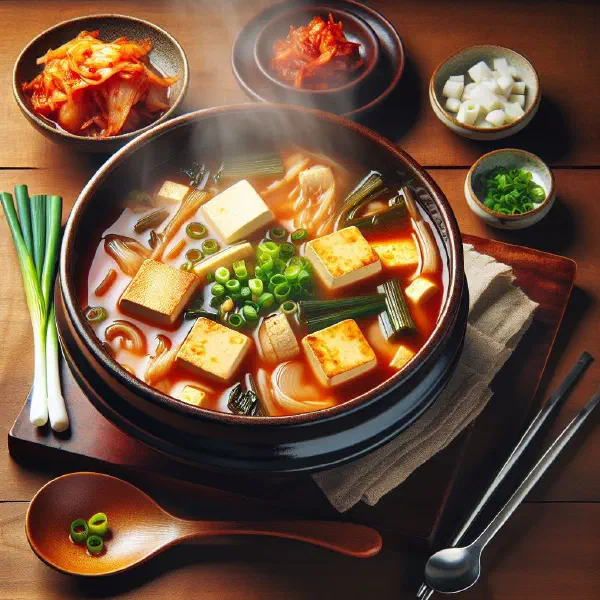
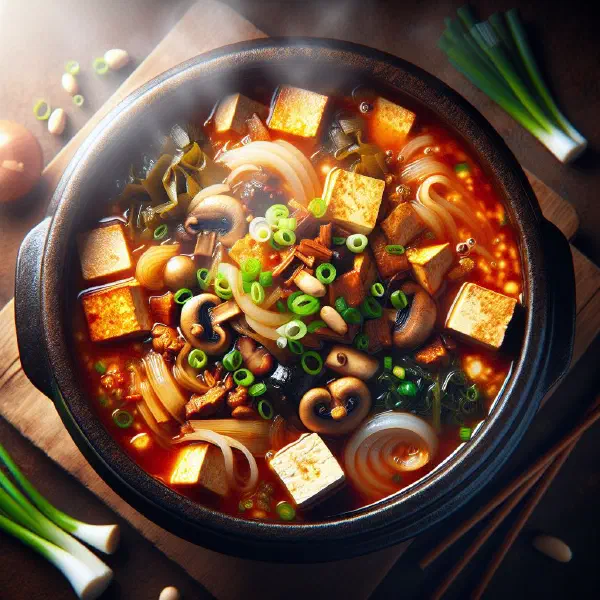
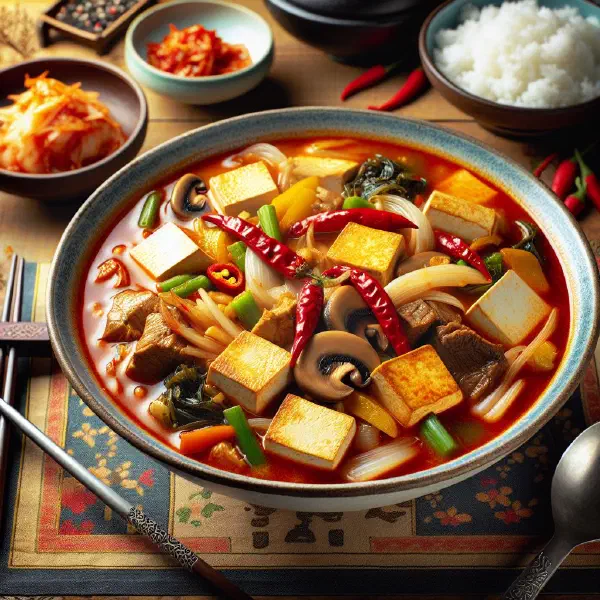
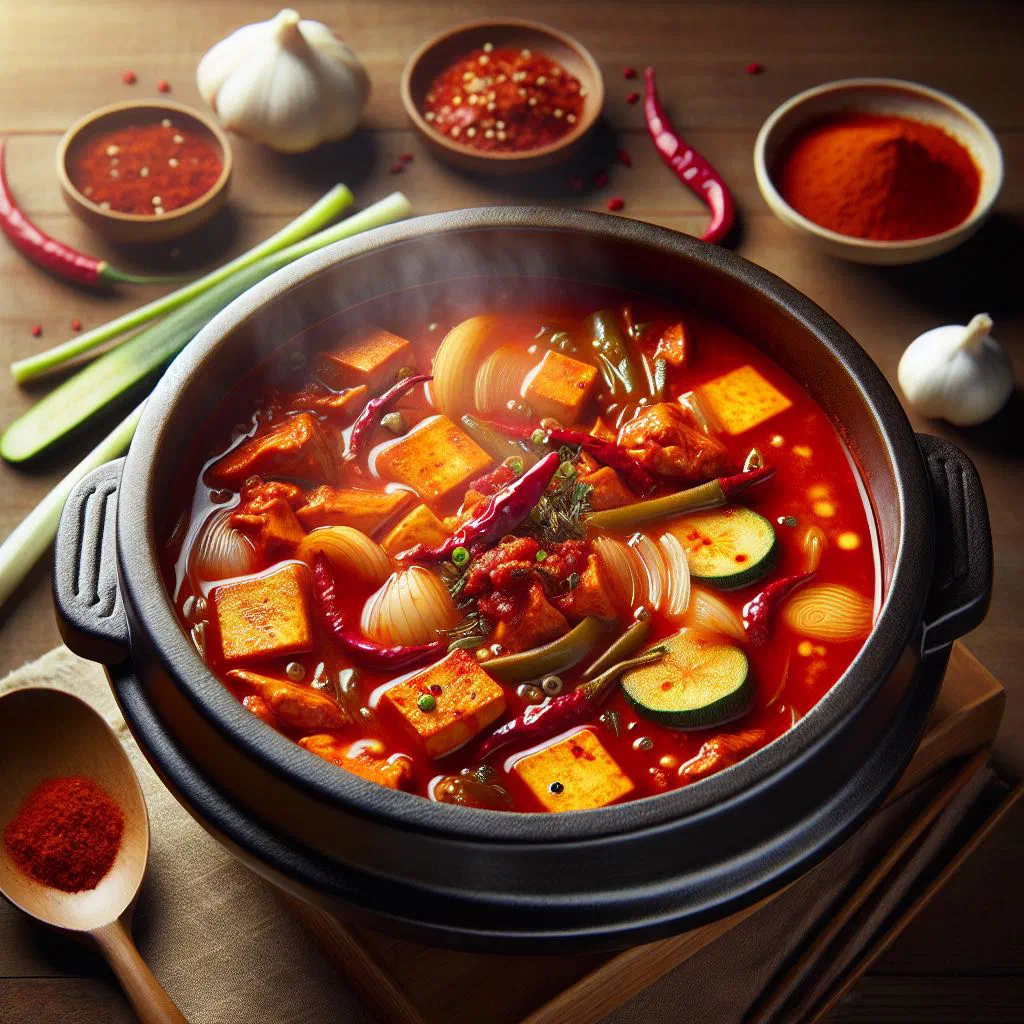
Warm up with Gochujang Jjigae, a soul-soothing Korean stew built for cold days and shared tables. This hearty bowl brings together silky tofu, tender slices of meat and crisp vegetables in a deeply savoury, fiery broth. The star is gochujang, the fermented red chilli paste that gives the stew its glowing colour and unmistakable kick. Easy to throw together yet full of character, it brings a genuine taste of Korean home cooking straight to your kitchen.
About Gochujang Jjigae
Gochujang Jjigae is a Korean stew that comes into its own during the colder months, when something warming and restorative is called for. This hearty speciality combines fresh ingredients such as tofu, vegetables and meat in a wonderfully spicy broth. Its defining feature is gochujang, a fermented red chilli paste that lends the stew both its rich colour and its characteristic heat. More than just a treat for the palate, Gochujang Jjigae is an expression of Korean cooking and culture, often shared straight from the pot at the centre of the table.
Ingredients (serves 1–2)
- 200 g firm tofu
- 100 g beef or pork, thinly sliced
- 1 onion, sliced into rings
- 1–2 spring onions, sliced
- 100 g kimchi (your choice)
- 2–3 tablespoons gochujang (to taste)
- 2–3 cups vegetable stock
- 2–3 garlic cloves, chopped
- 2 teaspoons sesame oil
- Salt and pepper, to taste
Shopping for the ingredients
Before you start cooking Gochujang Jjigae, it is worth gathering everything you need. Most of these ingredients are easy to find at an Asian grocery or a well-stocked supermarket. The gochujang paste in particular is what makes this stew so special, so it pays to seek out an authentic imported jar rather than settling for a substitute. Look for fresh vegetables and good-quality tofu too, as these make all the difference to the finished flavour.
Preparing the dish
Preparing Gochujang Jjigae is refreshingly straightforward and takes only a few steps. Start by cutting all the ingredients into evenly sized pieces so they cook at the same rate. It is also worth giving the meat a little time to take on flavour before it goes in the pot. Once these simple preparations are done, you are ready to start cooking.
Step-by-step instructions
- Heat the sesame oil in a large pot over medium heat.
- Add the chopped garlic and fry briefly until fragrant.
- Add the meat to the pot and cook until lightly browned.
- Stir in the onion and the kimchi and sauté everything for a further 3–5 minutes.
- Pour in the vegetable stock and the gochujang paste and bring the mixture to the boil.
- Reduce the heat and let the jjigae simmer for about 15 minutes so the flavours can develop.
- Add the diced tofu and the spring onions and simmer for another 5 minutes.
- Taste the stew and season with salt and pepper as needed.
- Serve the Gochujang Jjigae piping hot, ideally with a bowl of rice.
Gluten-free / lactose-free version
Gochujang Jjigae is easy to adapt if you want to eat gluten-free or lactose-free. Simply swap regular soy sauce for a gluten-free version to keep the dish suitable for anyone with a gluten intolerance, and check that your stock and tofu are gluten-free too. As the stew contains no dairy, it is naturally lactose-free. You can even enrich the broth with water and seasonings if you prefer a lighter base, and the dish will still be packed with flavour.
Tips for vegans and vegetarians
For vegan and vegetarian versions of Gochujang Jjigae, the meat can be replaced with extra vegetables or seitan. Make sure your tofu and stock are plant-based as well. For added depth of flavour, reach for mushrooms or a well-seasoned vegetable stock. If you are cooking fully vegan, it is also important to check the gochujang paste itself, as some brands contain fish sauce.
More tips and tricks
A few extra touches can make your Gochujang Jjigae even more delicious. Experiment with different vegetables such as courgette or carrot to tailor the stew to your liking. Letting it rest for a few hours allows the flavours to deepen and intensify. Finishing the bowl with freshly chopped coriander or sliced fresh chillies adds a bright, fresh note that lifts the whole dish.
Adapting the recipe to your taste
Gochujang Jjigae is wonderfully versatile and easy to adjust to your own preferences. If you like things spicier, simply add more gochujang or a handful of fresh chillies. For a milder bowl, hold back on the chilli paste. The choice of vegetables and tofu can be varied too, so everyone can put their own personal stamp on the stew.
Ingredient substitutions
If certain ingredients are not to your taste or not available, there are plenty of alternatives to try. Instead of beef or pork, you might use chicken breast or even seafood to freshen things up, the kind of switch that works beautifully in Ojingeo Bokkeum. Kimchi can be swapped for another fermented vegetable, giving the dish a new dimension, much as it does in a comforting bowl of Kimchi-laced Dubu Kimchi. Whatever you do, never leave out the gochujang paste, as it is the very heart of the dish.
Drink pairing ideas
A hearty dish like Gochujang Jjigae pairs well with a range of drinks. A quick and easy option is a cup of green tea, which balances the heat beautifully. For bolder pairings, Korean beer or soju make for an authentically Korean experience. A light white wine can also offer a refreshing accompaniment that cuts through the richness of the broth.
Serving and presentation ideas
An appealing presentation can turn a meal into something memorable. Serve Gochujang Jjigae in traditional Korean bowls for an authentic touch, and garnish with fresh herbs or toasted sesame seeds. A simple side salad or a bowl of rice rounds things out nicely. Thoughtful presentation whets the appetite and makes eating together a real pleasure.
A bit of history
Gochujang Jjigae is rooted in traditional Korean cooking and says a great deal about the country’s food culture. Gochujang itself has been made in Korea for centuries and is a cornerstone of countless dishes. The stew symbolises warmth and comfort, and it plays a part in family life, as it is so often enjoyed together. The many regional variations of the dish reflect the diverse tastes and traditions found across Korean cuisine.
More recipe ideas
Summary: Gochujang Jjigae
Gochujang Jjigae is more than just a dish; it is an experience that warms the soul and delivers an uniquely bold flavour. With its simple preparation and adaptable ingredients, it is perfect for anyone keen to explore Korean cooking. Vegetarian or with meat, the sheer versatility of Gochujang Jjigae means there is something here for every taste. Discover this much-loved stew and bring a little piece of Korean culture into your own kitchen.