National Dish South Korea: Gochujang Jorim (Recipe)
In this article
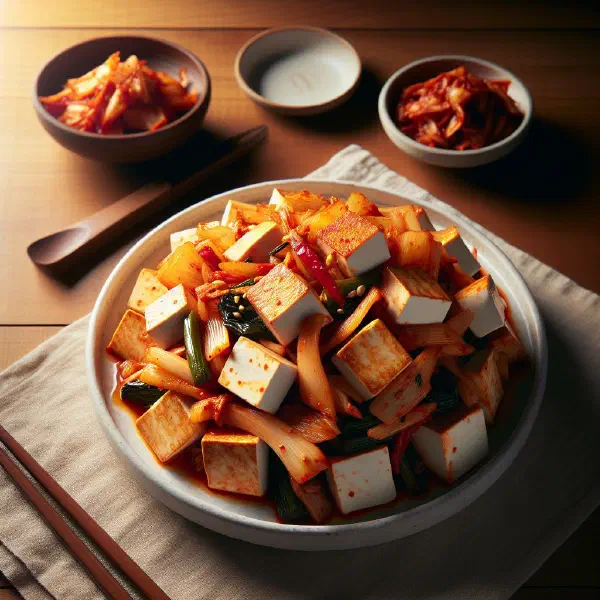
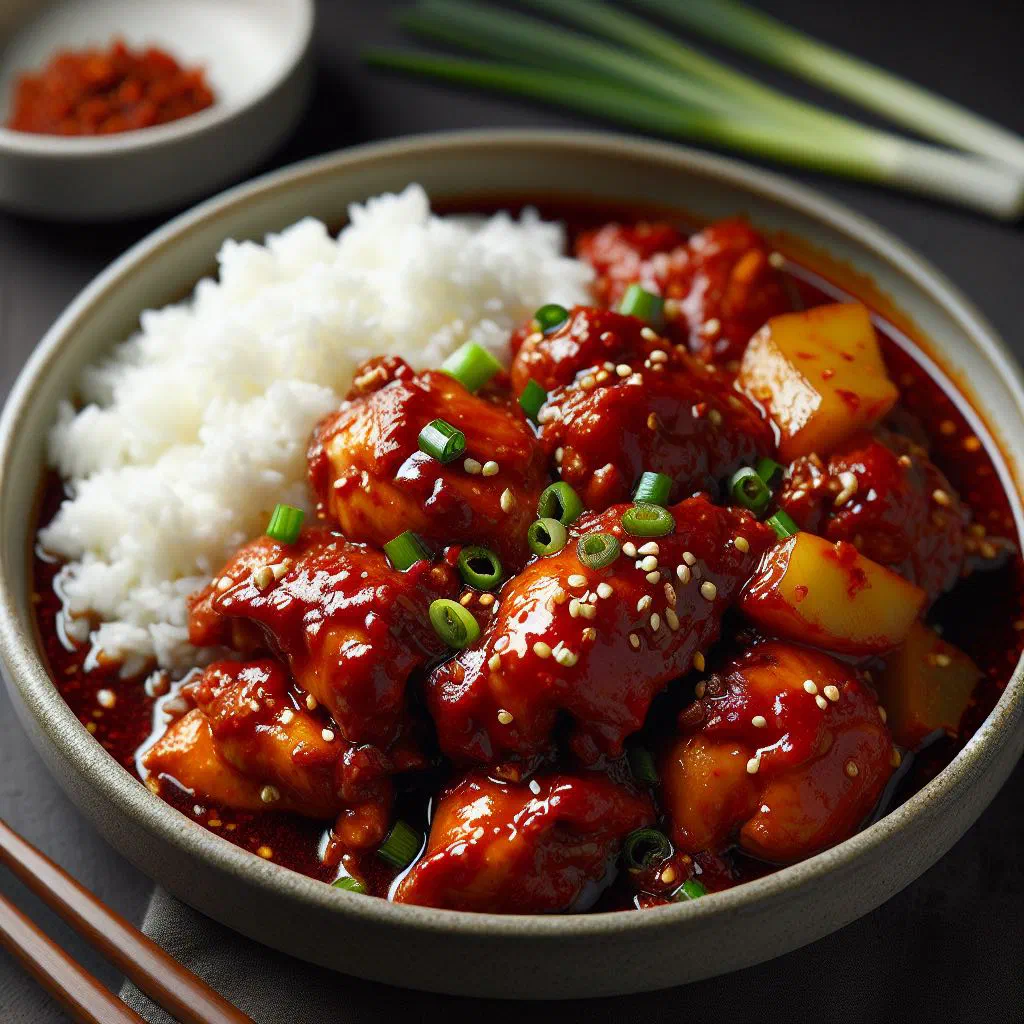
Meet Gochujang Jorim, a fiery-sweet South Korean braise that turns humble tofu and vegetables into something memorable. At its heart is gochujang, the fermented chilli paste that gives Korean cooking its signature warmth and depth. Spicy, savoury and just a touch sweet, this dish comes together in one pan and works equally well as a quick weeknight supper or a colourful centrepiece for friends. Bring a taste of Seoul straight to your own kitchen.
About Gochujang Jorim
Gochujang Jorim is a traditional Korean dish that brings together spicy, sweet and savoury notes in one glossy, glazed pan. Its star ingredient, gochujang, is a fermented chilli paste used right across the Korean kitchen. It lends the dish a striking colour and an unmistakable flavour that wins over locals and international food lovers alike. Alongside the gochujang, a mix of fresh vegetables and tofu rounds things out into a balanced, harmonious whole that feels both comforting and exciting.
Ingredients (serves 1–2)
- 200g tofu or tempeh
- 1 medium carrot, cut into thin strips
- 100g courgette, diced
- 1 small onion, diced
- 2 tablespoons gochujang
- 1 tablespoon honey or agave syrup
- 2 tablespoons soy sauce
- 1 tablespoon sesame oil
- Fresh sesame seeds, to garnish
Shopping for the ingredients
The first step towards a great gochujang jorim is gathering everything you need. Most of these ingredients are easy to find at an Asian grocery or in the international aisle of a larger supermarket. Gochujang comes in a range of heat levels, so it is worth choosing one to suit your own taste. Fresh vegetables are just as important for the flavour and texture of the dish, so look for the best quality and freshness you can when you shop.
Preparing the dish
Begin by cutting the tofu or tempeh into even cubes so it cooks through uniformly. Chop the vegetables into similar-sized pieces too, so everything is ready at the same time. Good preparation makes the cooking smoother and improves the final result, letting the flavours come through at their best.
Step-by-step instructions
- Heat the sesame oil in a pan over medium heat.
- Add the onion and fry until translucent.
- Add the vegetables — the carrot and courgette — and stir-fry for a few minutes.
- In a small bowl, mix the gochujang, honey (or agave syrup) and soy sauce.
- Add the tofu cubes to the pan and pour the gochujang mixture over the top.
- Stir well and let everything simmer for around 10 minutes, until the vegetables are tender.
- Garnish with fresh sesame seeds and serve.
Gluten-free / lactose-free version
Gochujang jorim is easy to adapt for anyone eating gluten-free or lactose-free. Simply swap the regular soy sauce for a gluten-free soy sauce or tamari to keep the dish safe for those with a gluten intolerance. Gochujang is usually gluten-free, but it is still worth checking the label to be sure. To make the dish suitable for vegans, use agave syrup in place of the honey. With these small changes everyone can enjoy it without compromise.
Tips for vegans and vegetarians
Gochujang jorim is a brilliant choice for vegans and vegetarians, thanks to the tofu that is the main source of protein. The tofu can easily be swapped for other plant-based proteins such as chickpeas or seitan if you fancy trying different flavours and textures. Take care that every ingredient you use is strictly vegan, particularly when it comes to sauces. Experiment with different vegetables to vary the dish and create colourful, nourishing combinations. For another tofu-forward Korean classic, try Dubu Kimchi.
More tips and tricks
To make your gochujang jorim even tastier, play around with the heat level. If you like it spicier, add a little extra gochujang or some fresh chillies. For a sweeter version, reach for more honey or agave syrup. A clove of garlic or a knob of ginger can also add real depth of flavour and bring even more aroma to the pan.
Adapting the recipe to your taste
One of the great things about gochujang jorim is how easily it bends to personal preference. Experiment with different vegetables such as peppers, broccoli or mushrooms to vary the texture and taste. If you like it heartier, enrich the dish with mushrooms or nuts. The amounts of gochujang and honey are entirely adjustable too, so you can dial in the perfect balance for your own palate.
Ingredient substitutions
If you do not have every ingredient to hand, there are plenty of alternatives to fall back on. Instead of tofu you can use seitan or even lentils, both of which are excellent sources of protein. Gochujang can be approximated with a blend of chilli powder and miso paste, but adjust the quantities to hit the sweetness and heat you are after. For the vegetables, seasonal produce such as spinach or green beans works beautifully to create new flavours, much like the fresh greens that shine in Kongnamul Muchim.
Drink pairing ideas
A few drinks round off the gochujang jorim experience perfectly. A lightly chilled Korean lager such as Hite or Cass balances the heat of the dish beautifully. Alternatively, a crisp green tea pairs very well, refreshing the intense flavours and bringing pleasant balance. For an alcohol-free option, consider a freshly squeezed lemon-and-lime juice for an extra lift. The crowd-pleasing Korean Fried Chicken calls for similar pairings if you fancy a feast.
Serving and presentation ideas
Presentation can lift the whole gochujang jorim experience. Serve the dish in an attractive bowl and garnish with fresh sesame seeds and chopped spring onions for a splash of colour. Take care to let the colours of the ingredients shine so the dish looks as good as it tastes. A few fresh herbs make a lovely finishing touch, underlining the aromas and creating an inviting impression at the table.
A bit of history
Gochujang has a long history in Korean cooking, with roots stretching back as far as the 7th century. This fermented chilli paste was once an important element of Korean food culture, originally used as a means of preservation. Over time it evolved into a key ingredient in countless dishes, gochujang jorim among them. Its combination of heat, sweetness and umami reflects the variety and richness of South Korean cuisine, treasured across many generations.
More recipe ideas
Summary: Gochujang Jorim
Gochujang jorim is a delicious dish that captures the rich, varied flavour world of the Korean kitchen. With its blend of gochujang, fresh vegetables and tofu, it strikes a perfect balance between heat and sweetness. It is also wonderfully adaptable, suiting vegans and vegetarians with ease. We hope you will give this tasty braise a go and weave it into your own cooking routine, bringing a little Korean magic to the table for friends and family.