National Dish South Korea: Godeungeo Jorim (Recipe)
In this article
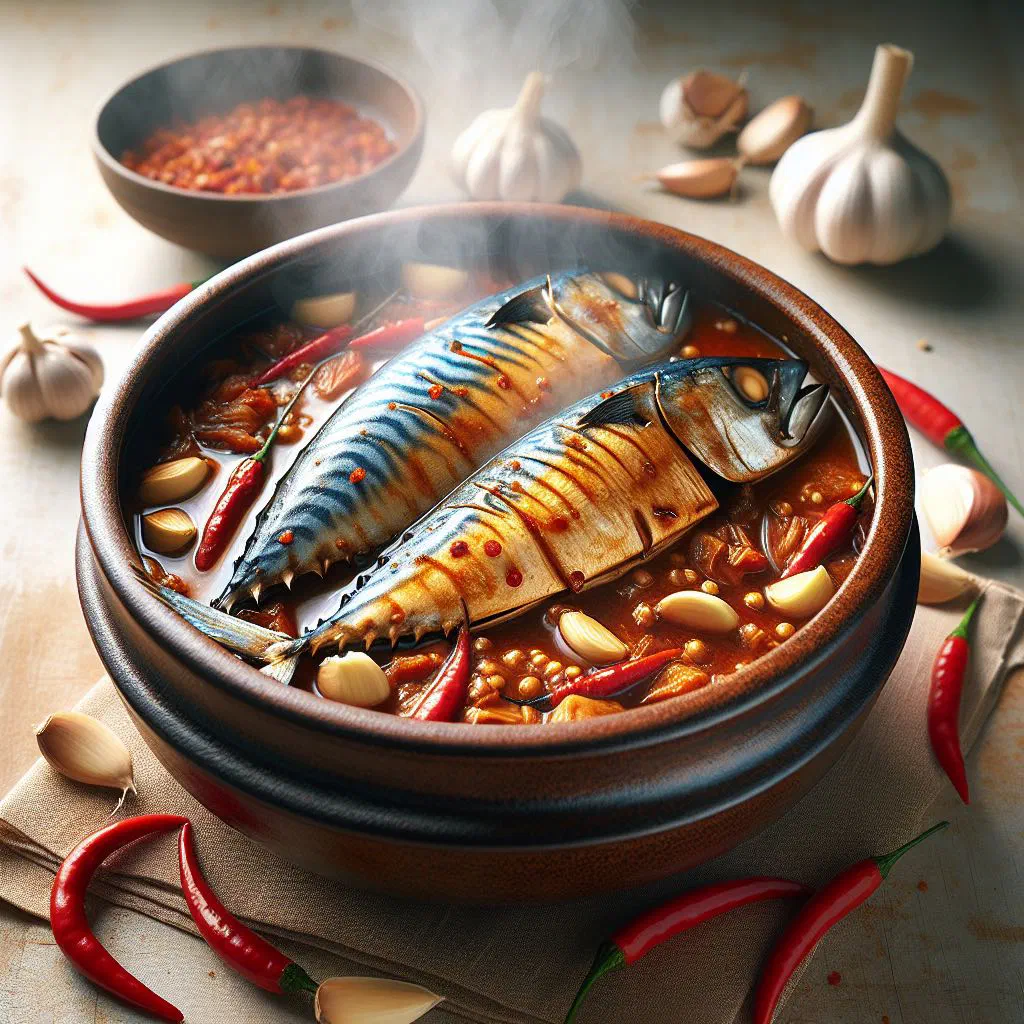
Meet Godeungeo Jorim, a comforting Korean classic that turns fresh mackerel into something quietly spectacular. Tender fillets are simmered in a savoury soy sauce marinade until they soak up every bit of its deep, salty-sweet flavour. It is honest, homely cooking, the sort of dish that fills a Korean table on an ordinary evening yet feels special every time. Bring a taste of Korea’s coastal kitchens straight to your own hob.
About Godeungeo Jorim
Godeungeo Jorim is a traditional Korean dish that stands out for its lovely pairing of tender mackerel and a robust soy-based sauce. Often served as a main or as a hearty side, it is celebrated for its distinctive umami flavour. Mackerel itself is rich in omega-3 fatty acids, so the dish delivers not only a wonderful eating experience but a genuinely healthy one too. The marinade leaves the fish especially soft and silky, which is exactly what makes Godeungeo Jorim a real highlight of any Korean meal.
Ingredients (serves 1–2)
- 2 fresh mackerel (about 300–400 g)
- 3–4 tablespoons soy sauce
- 1 tablespoon sugar
- 2 garlic cloves, chopped
- 1 tablespoon sesame oil
- 1 small onion, sliced into rings
- 1 small chilli (optional), sliced into rings
- Fresh chives or spring onions, to garnish
Shopping for the ingredients
When shopping for Godeungeo Jorim, take care to choose fresh mackerel. You will usually find it at a well-stocked supermarket or, even better, at a fishmonger or fish market. Look for fish that are firm and glossy, both reliable signs of freshness. The other ingredients, such as the soy sauce and seasonings, should also be of good quality so the dish can show off its full aroma.
Preparing the dish
Before you start cooking Godeungeo Jorim, it pays to have everything prepared. The mackerel should be cleaned and cut into portions ready for the pan. Chop the garlic finely and slice the onion into rings. If you fancy a little more heat, prepare the chilli at the same time, slicing it into fine rings to add later. A tidy work surface makes the whole process smoother.
Step-by-step instructions
- Place the cut mackerel into a bowl.
- Add the soy sauce, sugar, chopped garlic and sesame oil, and mix well to coat.
- Stir in the onion rings and chilli, then leave everything to marinate for about 20–30 minutes.
- Heat a pan over medium heat and add the marinated ingredients.
- Cook for around 10–15 minutes, until the mackerel is cooked through and golden brown.
- Garnish with freshly chopped chives or spring onions and serve.
Gluten-free / lactose-free version
If you would like to make Godeungeo Jorim gluten-free or lactose-free, simply use a gluten-free soy sauce, widely available in supermarkets and Asian grocers. Do check that the other ingredients, such as the sugar, are gluten-free too. The dish contains no dairy to begin with, so it is naturally lactose-free, and the method stays exactly the same. It will be every bit as delicious.
Tips for vegans and vegetarians
For a vegan or vegetarian take on Godeungeo Jorim, swap the fish for tofu or tempeh, which can be marinated and pan-cooked in just the same way. To capture that prized umami depth, add extra seasonings and ingredients such as shiitake mushrooms. Done this way, the dish keeps its savoury character while remaining entirely suitable for a plant-based diet. The same trick gives a lovely lift to a Dubu Kimchi.
More tips and tricks
Feel free to experiment to make Godeungeo Jorim your own. A little ginger or a splash of different vinegars, for instance, can build extra layers of flavour. Mix the marinade thoroughly so every part of the fish is evenly coated and all the aromas are well distributed. That little bit of care is what makes the dish especially tasty and appealing.
Adapting the recipe to your taste
Godeungeo Jorim is easy to adjust to personal preference. If you like things spicier, add more chilli or reach for a hot soy sauce. Those who prefer a less sweet result can cut back on the sugar or leave it out altogether. Be playful and find the balance that suits your palate best, much like you would when seasoning a fiery Ojingeo Bokkeum.
Ingredient substitutions
Need an alternative for an ingredient or two? In place of fresh mackerel you can use other oily fish such as herring or sprats. If you would rather avoid soy, swap in tamari or coconut aminos, both of which work beautifully in the marinade and lend the dish a distinctive touch. Substitutions like these let you adapt the recipe to what you have and what you enjoy.
Drink pairing ideas
Several drinks pair wonderfully with Godeungeo Jorim and round out the eating experience. A light, cold Korean beer is a refreshing companion that complements the dish’s savoury notes. A gentle green tea is another fine choice, balancing the rich flavours with a clean finish. For a truly authentic touch, try a traditional Korean drink such as makgeolli, a cloudy rice wine.
Serving and presentation ideas
Presentation is an important part of Korean dining. Serve Godeungeo Jorim on a handsome wooden board or in a decorative bowl. Garnish generously with fresh herbs and perhaps a scattering of sesame seeds. We eat with our eyes first, and an inviting presentation lifts the whole meal, making it feel that little bit more special. A few side dishes like Kongnamul Muchim complete the spread.
A bit of history
The dish Godeungeo Jorim has a long-standing place in Korean cooking. It is much-loved home-style fare, often served at family gatherings and celebrations. Braising fish in soy sauce has deep historical roots in South Korean cuisine, a tradition shaped by its bittersweet and umami flavours. The dish embodies that culinary heritage and the regional cooking of South Korea’s coastal communities.
More recipe ideas
Summary: Godeungeo Jorim
All in all, Godeungeo Jorim offers an unrivalled eating experience that captures the very essence of Korean cooking. With fresh ingredients and a simple method, this dish comes together quickly and easily. It is sure to please your guests and take them on a delicious journey into Korean cuisine. Give it a go and let its fragrant flavours win you over.