National Dish South Korea: Gukbap (Recipe)
In this article
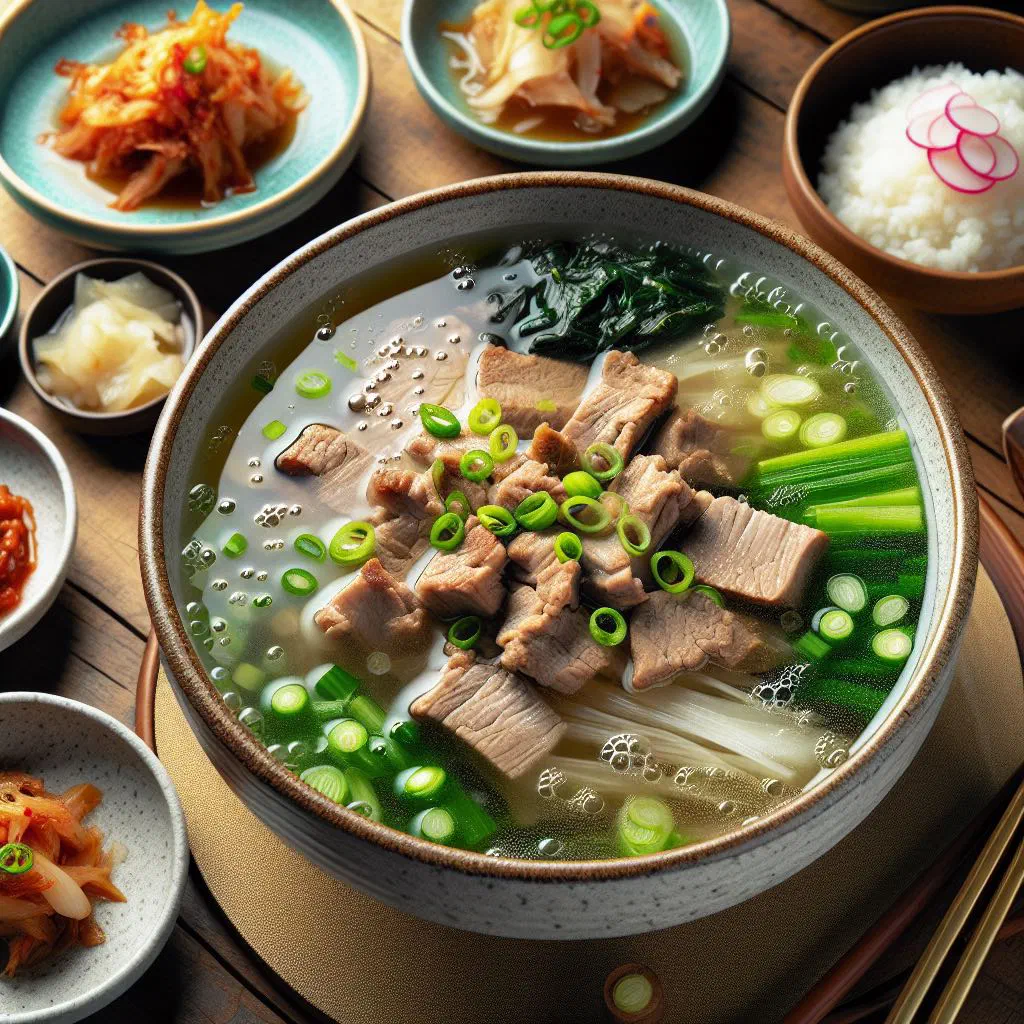
Warm up with Gukbap, the soul-soothing rice-and-broth bowl that South Koreans have turned to on cold days for generations. A savoury, slow-simmered stock cradles tender meat and a comforting helping of rice, finished with a flourish of spring onions and a drizzle of nutty sesame oil. It is honest, nourishing comfort food that warms you from the inside out, and it tastes even better shared around a busy table.
About Gukbap
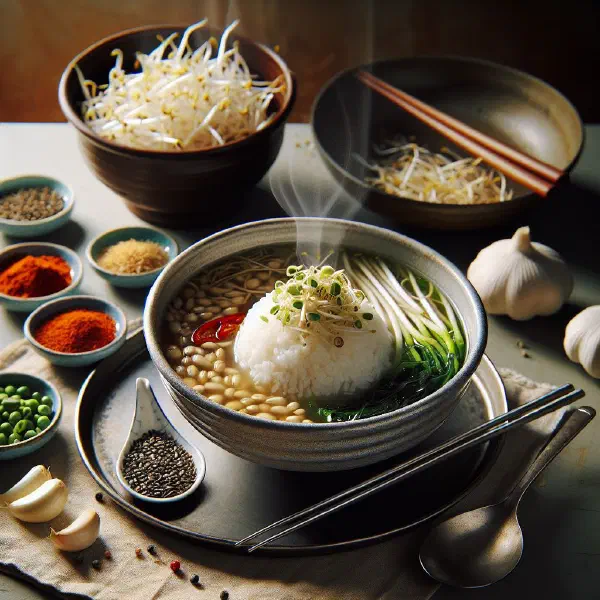
Gukbap is a traditional South Korean dish celebrated for its hearty broth and meltingly tender meat. It is typically served with rice, either spooned in or simmered together, and it comes into its own during the cooler months. People love it not just for its deeply savoury flavour but for its nourishing qualities, filling the body with warmth and energy. More than a meal, gukbap is genuine comfort food, the kind that is happily shared at social gatherings and family get-togethers.
Ingredients (serves 1–2)
- 200 g beef (or chicken)
- 1 cup rice
- 1 litre water (or stock)
- 1 onion, sliced
- 1 carrot, diced
- 2 spring onions, chopped
- 1 garlic clove, chopped
- Soy sauce, to taste
- Sesame oil
- Salt and pepper
Shopping for the ingredients
When shopping for gukbap, the freshness and quality of the meat make all the difference. Beef is the classic choice, though chicken works well too. Fresh vegetables such as onions and carrots add extra flavour and goodness to the pot. Most of what you need is easy to find at an Asian grocery or a well-stocked supermarket, so putting together everything for an authentic gukbap should be straightforward.
Preparing the dish
Begin by rinsing the rice and leaving it to soak for about 30 minutes. This improves the texture and gives you a lighter, fluffier result. While the rice soaks, cut the meat into small pieces and prep the vegetables. These steps make sure everything cooks evenly and the finished dish tastes balanced and harmonious.
Step-by-step instructions
- Bring the meat to the boil in a pot of water and let it cook for about 10 minutes.
- Add the onion, carrot and garlic to the meat and simmer for a further 10 minutes.
- Stir in the soaked rice and let everything simmer together for another 15 minutes.
- Season with soy sauce and other spices to taste, stirring well to combine.
- Just before serving, scatter over the chopped spring onions and add a drizzle of sesame oil.
Gluten-free / lactose-free version
Gukbap is easy to make gluten-free simply by using a gluten-free soy sauce. Double-check that your other ingredients are gluten-free too, so the dish stays authentic from start to finish. No special adjustments are needed for a lactose-free version, as the recipe traditionally contains no dairy at all. That makes gukbap a brilliantly flexible choice for a wide range of dietary needs.
Tips for vegans and vegetarians
For a vegan or vegetarian take on gukbap, swap the meat for tofu or seitan and reach for a good vegetable stock to deepen the flavour. You can also stir in extra vegetables such as mushrooms or courgette to make the bowl even more varied and satisfying. Variations like these offer a tasty, wholesome alternative to the traditional recipe without losing any of its comforting character.
More tips and tricks
To make gukbap even tastier, build in extra spices and aromatics such as ginger or Korean chilli powder. These add a distinctive note that sits beautifully alongside the other flavours. Take care to cook the rice well so it soaks up the broth and keeps its structure, a tip that also pays off in a comforting bowl of Kongnamul Guk. Play around with the simmering time to land on exactly the consistency you like.
Adapting the recipe to your taste
Depending on your preferences, you can adjust the balance of meat to vegetables, or the amount of bone you use for the stock. If you like things hotter, add more chilli paste or a few fresh chillies. The seasoning, too, is entirely up to you, so you can dial in the perfect aroma for your gukbap. That flexibility is exactly what makes it such a well-loved classic.
Ingredient substitutions
If some ingredients are hard to track down, there is almost always a good alternative. Swap the rice for quinoa, for example, to build a gluten-free and nutritious base, the same trick that works well in a grain-led bowl like Jumeokbap. Instead of beef or chicken, you could use seafood for an interesting twist on the dish, much as you would in Hwe Dup Bap.
Drink pairing ideas
A number of drinks pair wonderfully with gukbap. A cold beer or a light white wine rounds off this hearty bowl beautifully. For a non-alcoholic option, gently sweet teas underscore the dish’s flavours without overpowering them. Traditional Korean rice wine is another excellent match, as it complements the savoury depth of gukbap perfectly.
Serving and presentation ideas
A dish that looks good is often as important as one that tastes good. Serve gukbap in attractive bowls and garnish with freshly chopped spring onions and a sprinkle of sesame. A few chillies or lime wedges on the side please the eye too. A stylish presentation lifts the whole experience and makes the meal that bit more enjoyable.
A bit of history
Gukbap has a long tradition in Korean cooking. It was originally prepared as comfort food for cold winter days, and it remains hugely popular to this day. The dish reflects South Korea’s food culture and shows just how central shared meals are to social connection and family bonds, a value it shares with so much of Korean cuisine. Gukbap is not merely a dish; it is a piece of cultural heritage.
More recipe ideas
Summary: Gukbap
With its rich flavour and warming broth, gukbap is the very definition of comfort food. A dish with a place in every household, it suits any season and is especially welcome through the colder months. Its versatility means you can shape the recipe around all sorts of diets and preferences. Make your own version at home and enjoy the aroma and cosy warmth of this traditional South Korean classic.