National Dish South Korea: Guljeot (Recipe)
In this article
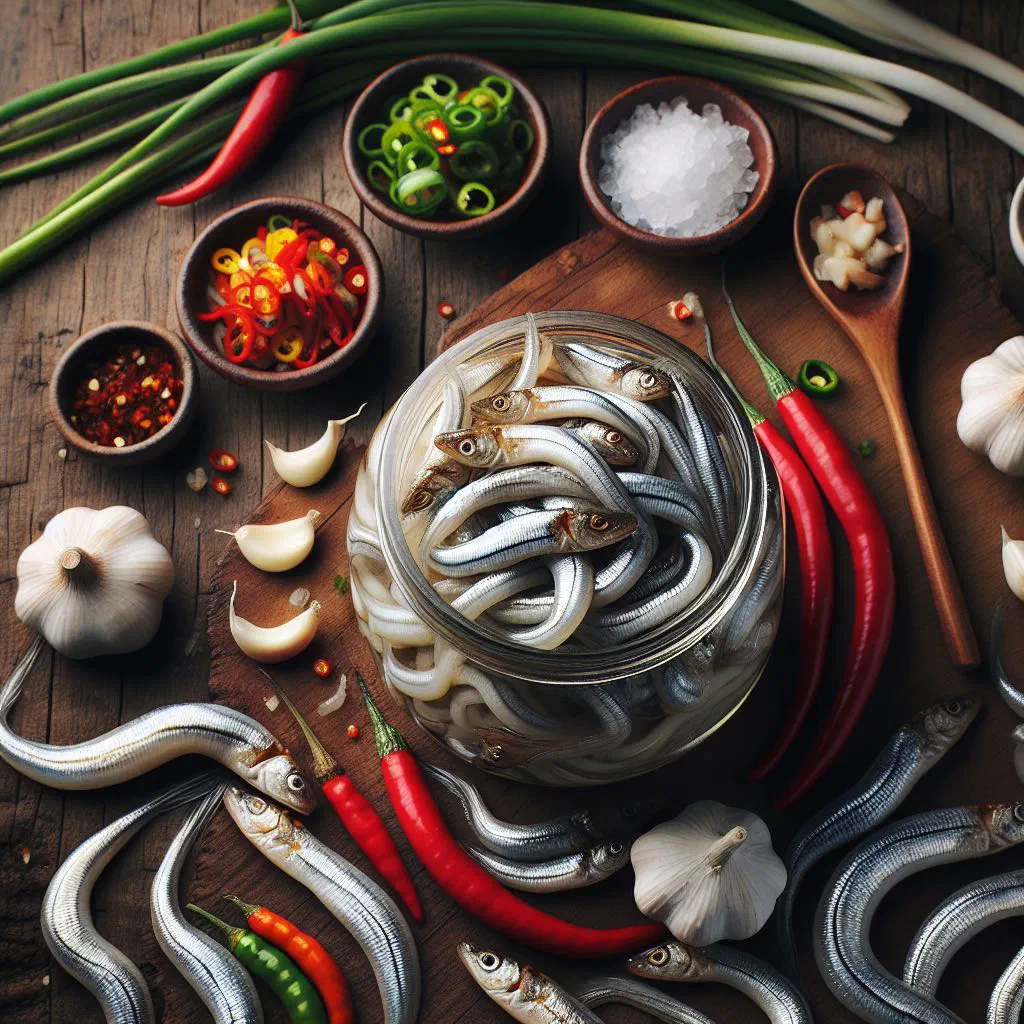
Guljeot is salted oysters — one of the jeotgal, the family of Korean salt-fermented seafood that also gives the country its anchovy sauce and its shrimp paste. Fresh oysters are salted, then dressed with gochugaru, garlic and sesame oil, and served in very small quantities as banchan beside rice.
About Guljeot
Guljeot, a traditional Korean jeotgal, is a striking combination of fresh oysters, salt and fiery gochugaru. This fermented delicacy is usually served as a small side dish (banchan) with rice and gives any Korean meal an authentic umami lift. The balance of saltiness, sea freshness and heat is what makes guljeot a highlight of the winter table, when Korean oysters are at their best.
Ingredients (serves 1–2)
- 200 g fresh oysters, shucked
- 1 tablespoon coarse sea salt
- 2 tablespoons gochugaru (Korean chilli flakes)
- 1 garlic clove, finely grated
- ½ teaspoon ginger, finely grated
- 1 spring onion, finely sliced
- 1 teaspoon sugar
- 1 teaspoon sesame oil
- Rice, to serve
Shopping for the ingredients
Oysters must be genuinely fresh and from a source you trust, since this preparation involves no cooking, buy them from a good fishmonger and use them the day you buy them. Gochugaru is not interchangeable with other chilli flakes; it is coarser, fruitier and less aggressively hot.
Preparing the dish
Rinse the shucked oysters gently in lightly salted water and drain them thoroughly, surplus water dilutes the seasoning and shortens the keeping time. Salt them and let them sit; that first salting is what firms them and begins the fermentation.
Step-by-step instructions
- Rinse the oysters gently in lightly salted water and drain very well.
- Toss with the coarse salt and leave in the fridge for 2 hours.
- Drain off the liquid that has drawn out.
- Mix the gochugaru, garlic, ginger, sugar and sesame oil into a paste.
- Fold the oysters through the paste, coating them evenly.
- Add the sliced spring onion.
- Transfer to a clean jar and refrigerate for 1–2 days before eating.
- Serve in small quantities with rice; eat within a week.
Gluten-free / lactose-free version
Guljeot is naturally gluten-free and lactose-free as written. Check the gochugaru label if buying a pre-mixed seasoning, though pure chilli flakes contain nothing else.
Tips for vegans and vegetarians
Oysters are the dish. King oyster mushrooms salted and dressed with the same gochugaru seasoning give a vegan banchan with a comparable texture and much of the same seasoning profile.
More tips and tricks
Use only very fresh oysters from a trusted source, and keep everything cold. This is raw seafood and there is no cooking step to fall back on. Drain thoroughly at every stage. And eat it within a week; unlike long-fermented jeotgal, this is a fresh-style preparation.
Adapting the recipe to your taste
Grated Korean pear adds sweetness and is common. More gochugaru gives a fiercer version. A splash of fish sauce deepens the umami considerably.
Ingredient substitutions
Squid or clams can be treated the same way and give related jeotgal. Regular chilli flakes work at a pinch, using less. Honey substitutes for sugar.
Drink pairing ideas
Soju is the automatic Korean pairing for anything this salty. Makgeolli, the cloudy rice wine, suits it well. Barley tea is the standard non-alcoholic accompaniment to a Korean meal.
Serving and presentation ideas
Serve guljeot in a very small dish as one banchan among several, with rice and soup. It is intense and is eaten a little at a time, a few oysters lifted onto a spoonful of rice. Never serve it as a main portion.
A bit of history
Jeotgal — salt-fermented seafood — is one of the foundations of Korean flavour, predating gochugaru by centuries and supplying the umami depth in kimchi and countless other dishes. Oyster jeotgal belongs to the winter, when the oyster beds along the southern coast are harvested. It offers a genuine window onto Korean cuisine.
More recipe ideas
Summary: Guljeot
Guljeot is fresh oysters salted and dressed with gochugaru, garlic and sesame oil, rested a day or two and served as banchan. Use the freshest oysters, drain well, and eat it in small amounts.