National Dish South Korea: Haejangguk (Recipe)
In this article
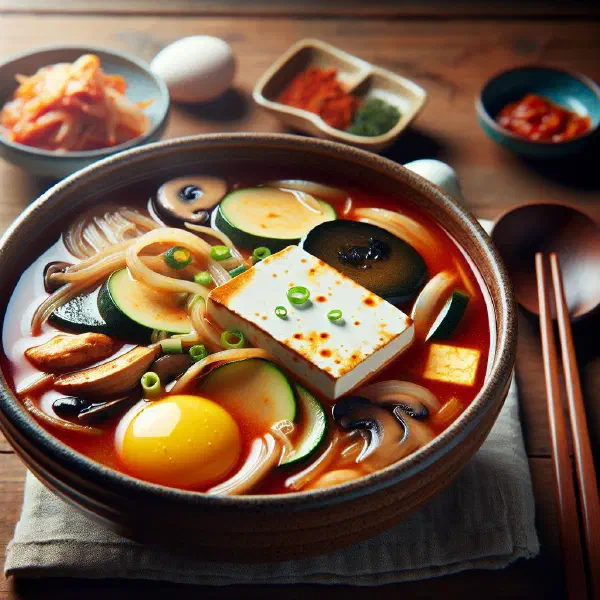
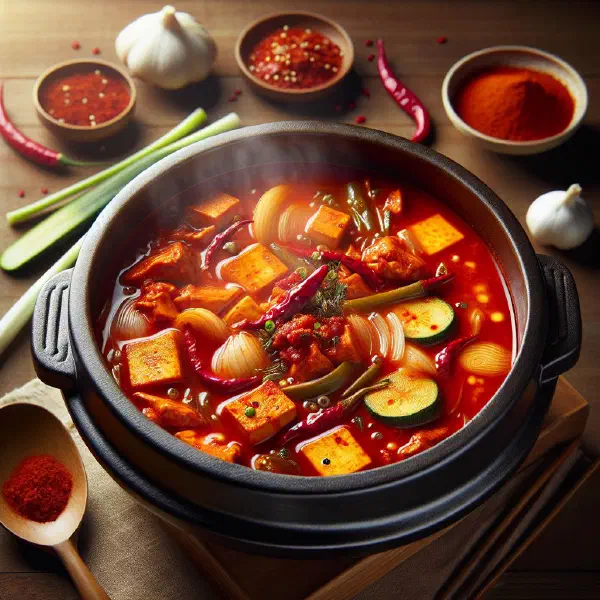
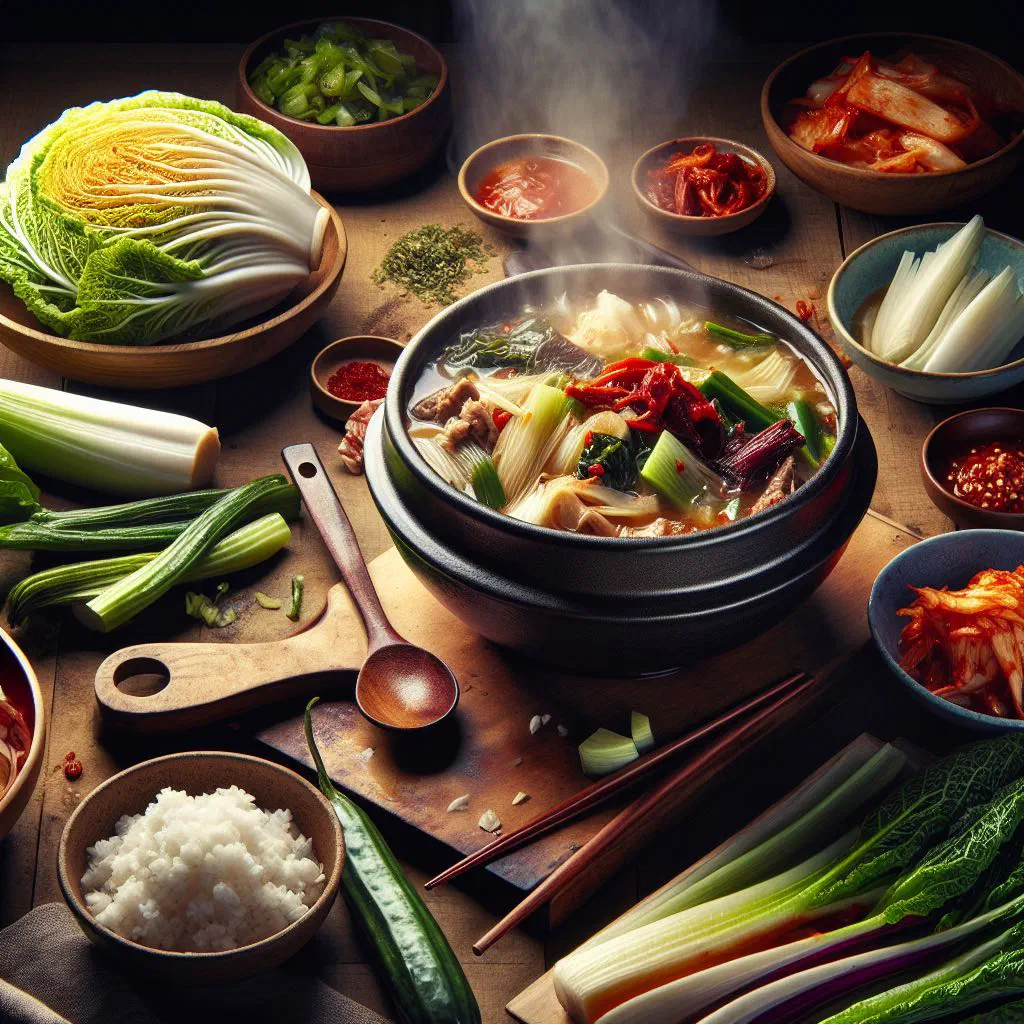
Warm up with Haejangguk, the soul-soothing soup that Koreans turn to after a long night or on a bitterly cold day. Tender pieces of beef simmer in a deeply savoury broth alongside kimchi, fresh greens and aromatic spring onions, building a bowl that feels as restorative as it is delicious. Often called Korea’s “hangover soup”, it revives both body and spirit. Bring this nourishing taste of Korea straight to your own kitchen.
About Haejangguk
Haejangguk is far more than a simple soup; it is a cultural experience that has been cherished in South Korea for centuries. Frequently described as a hangover cure, it is traditionally enjoyed after a heavy night out or whenever the weather turns cold. The main ingredients, tender chunks of beef, a fragrant broth and plenty of fresh vegetables, come together in a warming dish that revitalises body and mind. Hearty and genuinely nourishing, haejangguk is as much a wholesome health booster as it is a comfort.
Ingredients (serves 1–2)
- 200 g beef (shin or a similar cut)
- 1 litre water or stock
- 1 cup kimchi
- 1 small onion, sliced into rings
- 2 spring onions, sliced into rings
- 1 garlic clove, finely chopped
- 2 tsp soy sauce
- 1 tsp sesame oil
- 1 tsp chilli paste (gochujang), optional
- 2 cups greens (such as spinach or pak choi)
- Rice, to serve
Shopping for the ingredients
When shopping for haejangguk, it pays to seek out fresh, good-quality ingredients to get the deepest flavour. A trip to a Korean or Asian grocery will turn up the kimchi and gochujang you need, along with the right cuts of beef. Most of the remaining items are easy to find in a regular supermarket, and the more specialist seasonings can also be ordered online if your local shops fall short.
Preparing the dish
Preparing haejangguk begins with cutting and washing the ingredients. The beef should be cut into small pieces so it cooks evenly and turns meltingly tender. Prepare the vegetables too, washing them thoroughly and slicing them into bite-sized pieces.
Step-by-step instructions
- Bring the beef to the boil in a large pot with 1 litre of water, then lower the heat and simmer until tender.
- Add the onion, garlic and kimchi, and let everything simmer for a further 10 minutes.
- Stir in the soy sauce, sesame oil and chilli paste to taste.
- Add the greens and cook for a few minutes until just softened.
- Garnish with spring onions before serving, and bring it to the table alongside rice.
Gluten-free / lactose-free version
Haejangguk is easy to make gluten-free and lactose-free. Swap in a gluten-free soy sauce and leave out any dairy products entirely. Take care that the ingredients you use, particularly the kimchi and the stock, contain no hidden sources of gluten. That way the dish stays both delicious and gentle on anyone with the relevant intolerances.
Tips for vegans and vegetarians
For a vegan or vegetarian version of haejangguk, replace the beef with tofu or seitan. Use a vegetable stock as the base and add a few extra types of vegetable to build up the flavour. Kimchi can also be made in a vegan style without any fish sauce. With those swaps, plant-based eaters can enjoy this hearty soup just as much as everyone else.
More tips and tricks
One more tip for haejangguk is to let the broth rest overnight so the flavours have time to deepen and intensify. Experiment with different vegetables to discover new combinations, and a handful of fresh herbs can lift the dish even further. Remember to adjust the seasoning to your own palate so you can strike the perfect balance.
Adapting the recipe to your taste
Haejangguk is wonderfully flexible and easy to tailor to your preferences. If you like things spicy, add more gochujang or take it a step further with fresh chillies. Fans of milder flavours can ease back on the seasoning and pile in more vegetables instead.
Ingredient substitutions
If some ingredients are hard to track down, there are plenty of alternatives. The beef, for example, can be replaced with chicken or even mushrooms for a lighter take, the same easy swaps that work in a comforting Gamjatang. In place of kimchi you can use other pickled vegetables to achieve similar sour, savoury notes. Look at what you have to hand and try different combinations for a flavour all your own.
Drink pairing ideas
Plenty of drinks pair beautifully with haejangguk and round out the experience. A classic Korean choice is makgeolli, a mild, milky rice wine whose gentle sweetness and creaminess harmonise wonderfully with the soup. Alternatively, serve green tea to complement the warmth of the dish and settle the stomach.
Serving and presentation ideas
Presentation plays a big part in serving haejangguk. Reach for traditional Korean bowls to show off the soup in style, and garnish with fresh herbs such as coriander or extra spring onion to add colour and a bright, fresh note. Alongside the bowl, offer rice in a separate dish to complete the spread, a hallmark of generous South Korean cuisine.
A bit of history
Haejangguk has a history woven into the traditional eating habits of South Korea. It was originally prepared as a remedy for hangovers after lavish feasts and celebrations. The combination of hearty meat and nourishing ingredients makes it ideal for weary bodies in need of restoration, much like the reviving Yukgaejang. Over time the dish has evolved into a much-loved family meal, cooked regularly in homes across the country.
More recipe ideas
Summary: Haejangguk
Haejangguk is a wonderful example of the flavours and traditions of Korean cooking. With its nourishing broth and varied ingredients, it offers not just taste but warmth and well-being too. Whether after a long night or simply for the sheer pleasure of eating well, this soup brings a piece of Korean home cooking straight into your kitchen. Give the recipe a try and savour the delicious, warming flavours of haejangguk.