National Dish South Korea: Haemul Tang (Recipe)
In this article
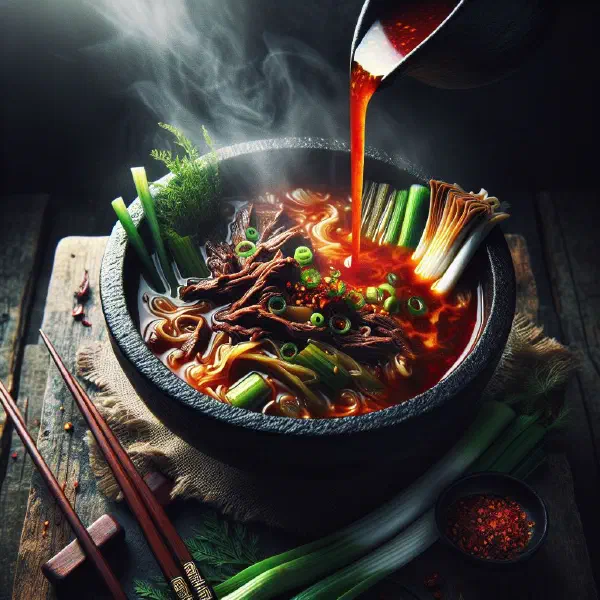
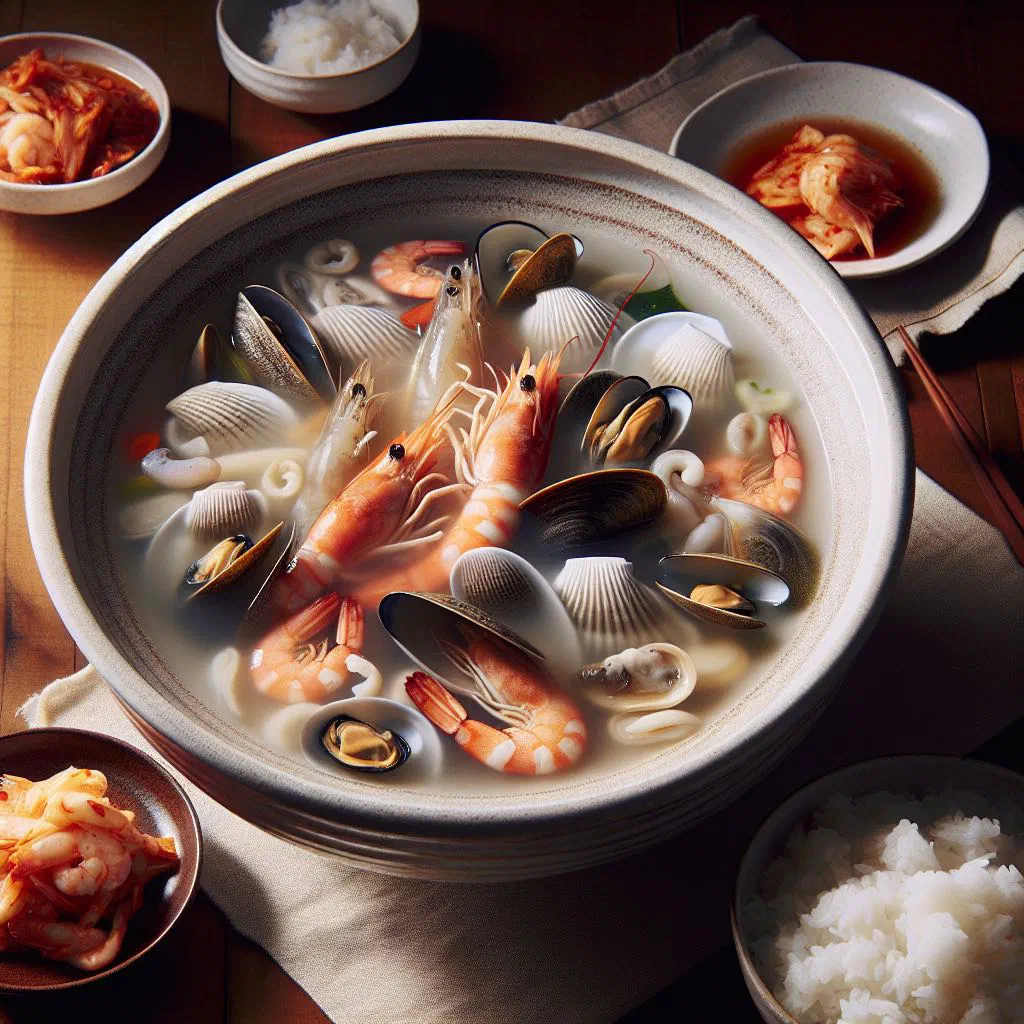
Warm up with Haemul Tang, a bracing Korean seafood stew that brings the taste of the sea straight to your table. Fresh fish and shellfish mingle in a fragrant, lightly spiced broth, each spoonful carrying the briny depth of the ocean. It is the kind of dish that shines on a cold evening, and it has long been a fixture in Korean homes where good seafood and a generous pot of broth are reasons enough to gather everyone round the table.
About Haemul Tang
Haemul Tang is a traditional Korean dish that wins people over with both its fresh ingredients and its deeply aromatic broth. This seafood stew brings together several kinds of fish and shellfish in a savoury liquor enriched with an array of spices and vegetables. The clean flavours of the sea come through in every bite, giving the dish its distinctive character. Ideal for cold days, Haemul Tang is a much-loved meal that finds its way onto the table in countless Korean households.
Ingredients (serves 1–2)
- 300 g fresh fish (such as cod or sea bream)
- 200 g shellfish (such as mussels or clams)
- 1 medium onion, diced
- 2 cloves garlic, chopped
- 1–2 spring onions, sliced into rings
- 1 red chilli, deseeded and chopped
- 500 ml fish stock or vegetable stock
- 2 tablespoons soy sauce
- 1 tablespoon sesame oil
- Fresh ginger, to taste (grated)
- Salt and pepper, to taste
Shopping for the ingredients
To make Haemul Tang, it is worth using fresh ingredients so you get the very best from the dish. Head to a local Asian grocery or a fishmonger to track down the freshest seafood. Make sure the mussels are alive and the fish is fresh, as this is what guarantees the quality of the finished stew. Alongside the main ingredients, staples such as sesame oil and soy sauce are easy to pick up at most overseas or international food shops.
Preparing the dish
Before you start cooking, careful preparation of the ingredients makes all the difference. Scrub the mussels thoroughly and remove any grit or debris. Cut the vegetables into even pieces so they cook at the same rate. Slice the fish into bite-sized chunks to make the cooking easier and quicker. A well-organised work surface keeps the whole process running smoothly from start to finish.
Step-by-step instructions
- Heat the sesame oil in a large pot, then add the onion and garlic and sweat for around 2–3 minutes.
- Pour in the fish or vegetable stock and bring it to the boil.
- Add the grated ginger, the soy sauce and the chilli, and let the broth simmer for a few minutes.
- Add the fish and shellfish to the broth and cook for a further 5–7 minutes, until the mussels open and the fish is cooked through.
- Season with salt, pepper and the green tops of the spring onions, then serve piping hot.
Gluten-free / lactose-free version
Haemul Tang can easily be made gluten-free and lactose-free. Simply check that your soy sauce is gluten-free, or swap it for tamari, so everyone can enjoy the dish. Instead of a shop-bought broth, you can also use a homemade gluten-free fish or vegetable stock. That way the flavour stays intact and the stew is something the whole table can share.
Tips for vegans and vegetarians
Although Haemul Tang is traditionally made with seafood, you can put together a vegan or vegetarian version of the dish. Replace the seafood with a selection of fresh vegetables such as carrots, mushrooms and courgette. Use a fragrant vegetable stock in place of fish stock to deepen the flavours. With the right seasonings, even vegans can enjoy the hearty, umami-rich notes that are so characteristic of Haemul Tang.
More tips and tricks
To get the most out of your Haemul Tang, fresh ingredients are essential. Take care to cook the mussels only until they open, as overcooking can leave them rubbery. You can also add other types of seafood for variety, such as squid or prawns.
Adapting the recipe to your taste
Haemul Tang is a versatile dish that is easy to tweak to suit personal tastes and preferences. Add more vegetables to make it more substantial, or ease back on the chilli if you prefer something milder. For a creamier consistency, you might stir a little coconut milk into the broth. A touch of imagination is all it takes to turn this stew into your own signature dish.
Ingredient substitutions
If you struggle to find certain ingredients, there are plenty of alternatives you can use in Haemul Tang. Instead of cod, try salmon or trout, which also bring delicious flavours to the pot. Mussels can be swapped for prawns or fish fillets, much like the squid that takes centre stage in Ojingeo Bokkeum. Vary the spices to match your taste or whatever happens to be in season, and experiment with different herbs to uncover new flavours.
Drink pairing ideas
A few drinks pair beautifully with Haemul Tang and round out the flavours of the dish. A clean, light beer is an excellent choice, balancing the salty, savoury elements of the stew. Alternatively, you might serve sweet rice wine or green tea for a gentle, harmonious contrast. Try a few different combinations, depending on your preference, to find the perfect match.
Serving and presentation ideas
The way you present Haemul Tang can matter as much as the taste itself. Serve the stew in an attractive bowl or a traditional Korean clay pot to make the dish even more appealing. Garnish the finished dish with fresh spring onions and coriander to add a lively splash of colour. We eat with our eyes first, so an inviting presentation only adds to the pleasure of the meal.
A bit of history
Haemul Tang has its roots in Korean food culture and is closely tied to the country’s traditional maritime way of life. The mix of different seafood reflects what was available regionally, shaped by trade and longstanding fishing traditions. The dish is often served among family and represents a coming-together of flavours that embody Korean dining. It also highlights the importance of fresh, local produce in Korean cuisine, a quality it shares with the hearty pork-bone stew Gamjatang.
More recipe ideas
Summary: Haemul Tang
Haemul Tang is a delicious and traditional Korean seafood stew that is both hearty and nourishing. With its fresh ingredients and array of flavours, it offers an unmistakable taste of Korean cooking. The appeal of this dish is wonderfully varied and adaptable. Let the rich, layered flavours of Haemul Tang win you over, and discover the joy of cooking and savouring Korean food.