National Dish South Korea: Hanjeongsik (Recipe)
In this article
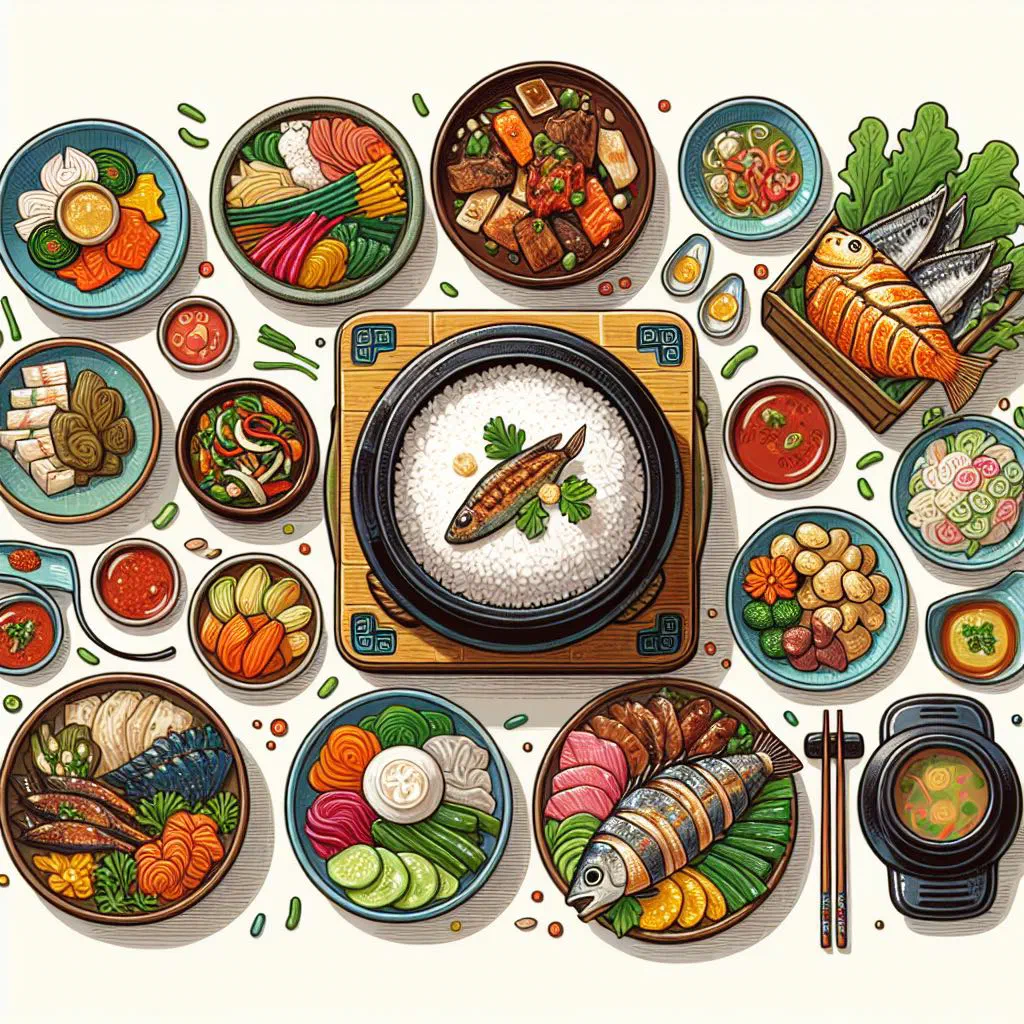
Step into the world of Hanjeongsik, the grand multi-course feast that sits at the very heart of Korean dining. Rather than a single plate, this is an artful spread of small, carefully crafted dishes. Each one a little jewel of flavour, colour and texture. With seasonal vegetables, fragrant kimchi and gently spiced proteins arranged side by side, it turns an everyday meal into a celebration of Korea’s culinary traditions. Bring this generous, convivial style of eating straight to your own table.
About Hanjeongsik
Hanjeongsik is a traditional Korean multi-course meal that showcases the full breadth of the country’s cuisine. This culinary experience brings together many small dishes, each one carefully prepared and beautifully arranged. Every plate is a treat for the palate and a feast for the eyes. The use of seasonal ingredients and regional flavours makes Hanjeongsik a thoughtful expression of Korean culture and tradition, much like the comforting bowls found across Korean cuisine.
Ingredients (serves 1–2)
- 200 g rice
- 150 g vegetables (e.g. spinach, carrots)
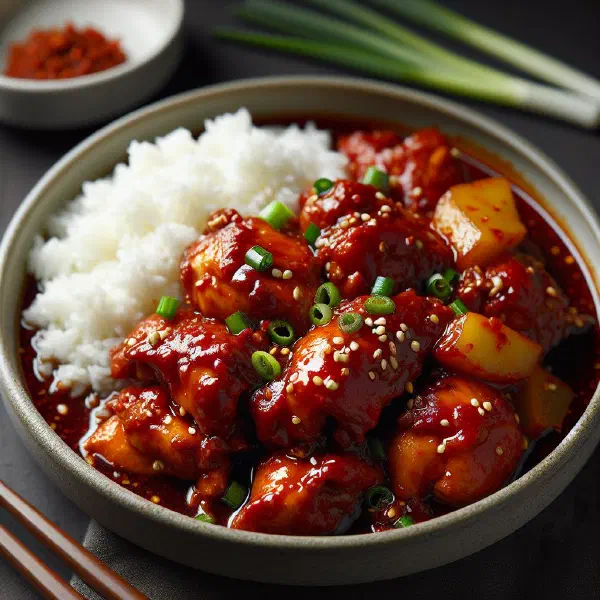
- 100 g tofu or meat (your choice)
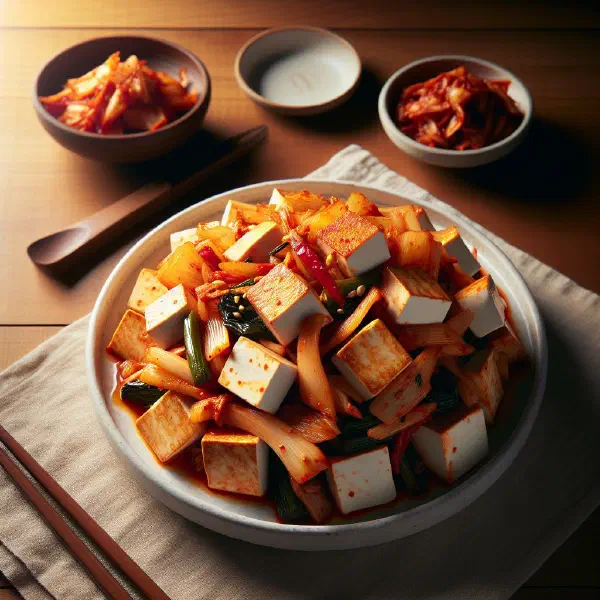
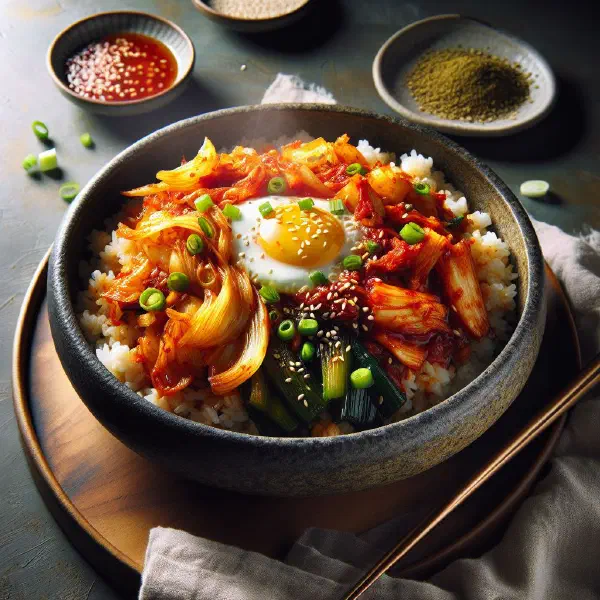
- 50 g kimchi
- 2 tablespoons soy sauce
- 1 tablespoon sesame oil
- Garlic and ginger, to taste
Shopping for the ingredients
For Hanjeongsik it is important to choose fresh, good-quality ingredients. Visit a local market or an Asian grocery to find the best vegetables and seasonings. Be sure to pick up traditional kimchi, as it is an essential part of the meal. Where possible, buy organic tofu or meat from trusted sources for an even better flavour. A well-stocked larder is the first step towards a spread as varied as a plate of Ssambap.
Preparing the dish
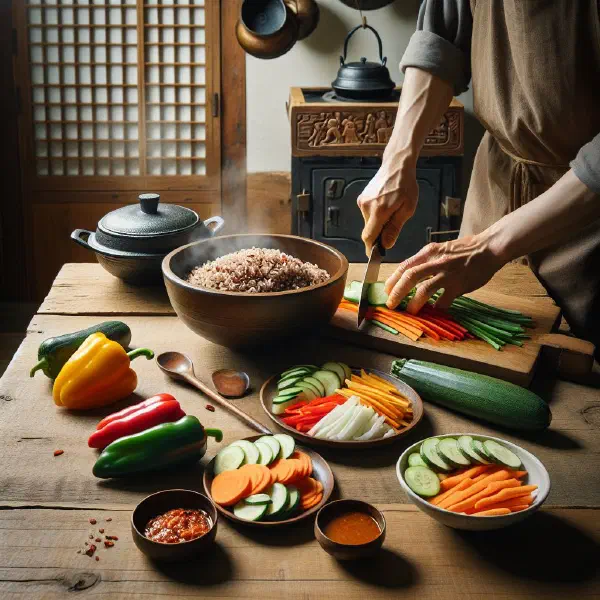
Before you start cooking Hanjeongsik, it helps to get all your ingredients ready. Wash and cut the vegetables into even pieces so they cook in a consistent time. If you are using meat, slice it small and marinate it to deepen the flavour. Tofu can likewise be marinated or simply cut into cubes, depending on your preference. A tidy work surface makes the whole process feel effortless.
Step-by-step instructions
- Wash the rice thoroughly and cook it in a rice cooker or on the hob.
- Sauté the vegetables in a pan with a little sesame oil and garlic.
- Add the tofu or meat and fry well until cooked through.
- Warm the kimchi gently in a separate pan.
- Plate the cooked rice and arrange the other components decoratively around it.
Gluten-free / lactose-free version
For a gluten-free version of Hanjeongsik, use gluten-free soy sauce and check that everything else, particularly any marinades, is free from gluten too. For a lactose-free meal, simply reach for plant-based alternatives to any dairy products. These adjustments let you tailor the dish to those with food intolerances without sacrificing its authentic taste.
Tips for vegans and vegetarians
Vegans and vegetarians can adapt Hanjeongsik with ease by using tofu or seitan in place of meat. Add a variety of vegetables to broaden the range of flavours, and choose a plant-based fermented dish in place of kimchi if needed. These swaps keep the meal every bit as nourishing and satisfying, much like a vegetable-forward plate of Kongnamul Muchim.
More tips and tricks
To make preparing Hanjeongsik simpler, get some components ready in advance. Vegetables can be cut ahead and kept in the fridge, and the rice can be cooked beforehand too. Presentation also plays a big part, so use attractive bowls and plates to serve everything in style.
Adapting the recipe to your taste
Tailor Hanjeongsik to your own preferences by choosing different vegetables or protein sources. You can also adjust the heat by using more or fewer seasonings. If you like things a little sweeter, add a touch of sugar or honey. This gives you the freedom to shape the meal exactly to your taste while keeping its traditional essence intact.
Ingredient substitutions
If you cannot find certain ingredients for Hanjeongsik, there are plenty of alternatives to hand. Tempeh, for example, can stand in for tofu to give a different protein and flavour profile. Vegetables such as broccoli and peppers work well in place of the usual spinach. Substitutions like these keep the meal varied and suited to a range of dietary needs, in the same spirit as the wrap-and-fill flexibility of Bossam.
Drink pairing ideas
A range of drinks pairs beautifully with Hanjeongsik. Traditional Korean rice wine, known as makgeolli, sits wonderfully alongside the flavours of the meal. Alternatively, a light, fruity wine or an unsweetened tea refreshes the palate between bites. These combinations help round out the whole experience and complement the many different tastes on the table.
Serving and presentation ideas
Presentation is key to highlighting the visual appeal of Hanjeongsik. Use plates and bowls of different sizes to show off each component to its best advantage. Add fresh herbs or edible flowers as a garnish to make the spread even more inviting. An artful arrangement appeals to the eye and turns the meal into a real occasion.
A bit of history
The origins of Hanjeongsik can be traced back to the Joseon dynasty, when lavish meals were prepared for kings and nobility. This style of dining reflects both Korea’s cultural richness and its appreciation for a harmonious balance of flavours and textures. Over time the meal has continued to evolve, yet it remains firmly rooted in tradition and custom. Today Hanjeongsik is served in fine restaurants and at special occasions, drawing food lovers from around the world.
More recipe ideas
Summary: Hanjeongsik
In short, Hanjeongsik is far more than a single dish; it is a culinary experience that captures the deep culture and traditions of South Korea. The variety of ingredients and the artful presentation make it a special occasion that pleases both the palate and the eye. Hanjeongsik is sure to leave a lasting impression. Here, experience and enjoyment take centre stage, and every bite tells a story of its own.