National Dish South Korea: Hobak Juk (Recipe)
In this article
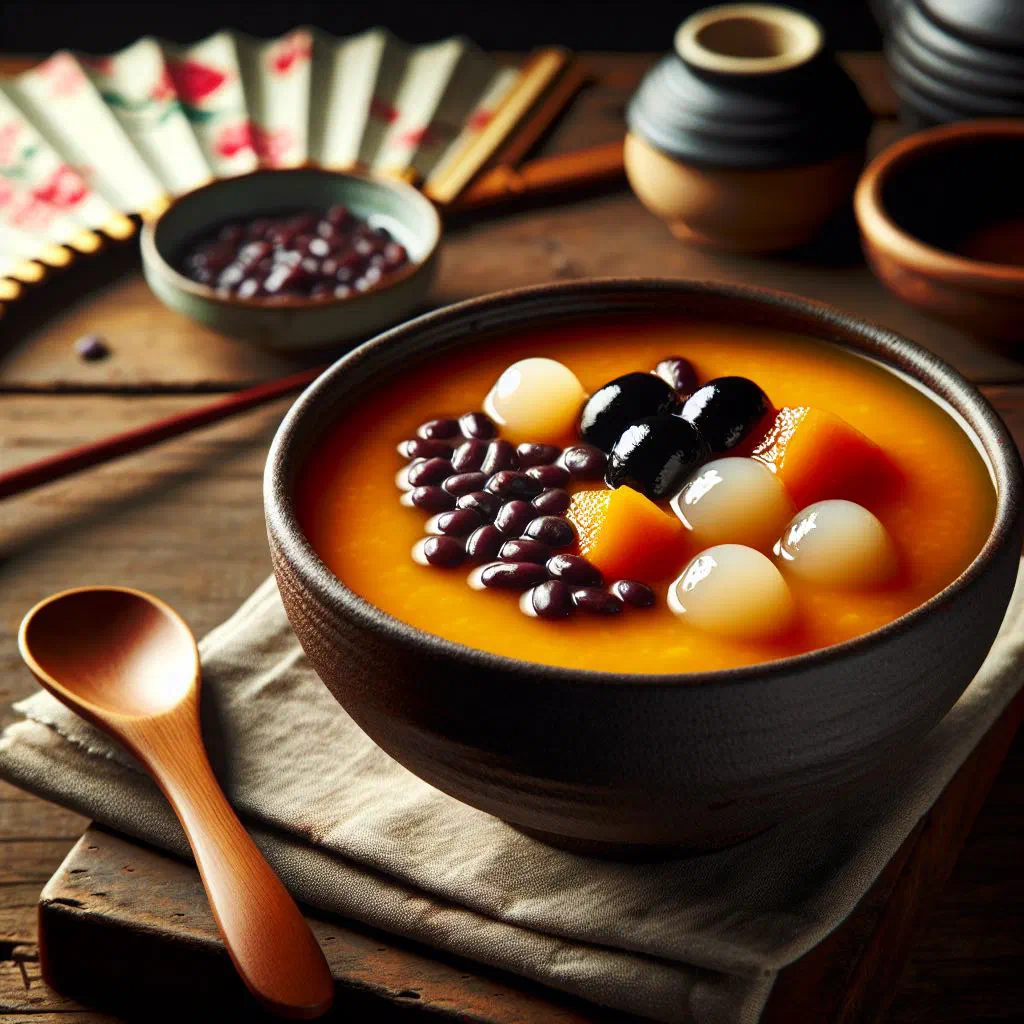
Warm up with Hobak Juk, the silky Korean pumpkin porridge that has long been treasured as a bowl of pure comfort. Sweet squash is simmered with glutinous rice until smooth and velvety, then balanced with a gentle kick of horseradish that makes every spoonful sing. Nourishing, soothing and naturally wholesome, it is the kind of dish Korean households reach for on cold days or whenever a little restorative warmth is called for. Bring this cosy classic from Seoul straight to your own kitchen.
About Hobak Juk
Hobak Juk is a traditional South Korean dish made from pumpkin and rice, and it is widely regarded as the ultimate comfort food. This creamy porridge is served in many homes as a warming meal, especially during the colder months of the year. The natural sweetness of the pumpkin pairs beautifully with the gentle heat of the horseradish, turning every mouthful into something special. It is also a nourishing choice, rich in vitamins and minerals. Ideal for giving your body a little care.
Ingredients (serves 1–2)
- 200 g pumpkin (such as Hokkaido squash)
- 50 g glutinous rice or rice pudding rice
- 1 litre water or vegetable stock
- 1 tablespoon horseradish (fresh or from a jar)
- 2 tablespoons sugar (to taste)
- A small splash of soy sauce
- A pinch of salt
Shopping for the ingredients
When shopping for hobak juk, it is important to choose fresh, good-quality produce. The pumpkin should be firm and unblemished to bring out the best flavour. Glutinous rice is essential for the porridge’s creamy texture, and it is well worth buying it from an Asian grocery, where the quality is often better. Fresh horseradish also delivers a more intense flavour than the preserved kind, so it is worth seeking out if you can.
Preparing the dish
Before you start cooking, it is wise to have all your ingredients ready to hand. The pumpkin needs to be washed thoroughly and cut into small cubes, which considerably shortens the cooking time. The glutinous rice is best soaked in water for a few hours beforehand so that it swells more readily as it cooks. These small preparations keep the cooking process running smoothly and help guarantee a delicious result.
Step-by-step instructions
- Drain the soaked glutinous rice and add it to a pan along with the diced pumpkin.
- Pour in the water or vegetable stock and bring to the boil.
- Reduce the heat and let the mixture simmer for about 20–30 minutes, until the pumpkin is soft and the rice is fully cooked.
- Use a stick blender to purée the soup until it reaches a smooth, creamy consistency.
- Stir in horseradish, sugar, soy sauce and salt to taste, mixing well.
- Ladle the porridge into bowls and serve warm.
Gluten-free / lactose-free version
Hobak juk is easily made gluten-free and lactose-free, provided you make sure the stock and other ingredients contain no hidden allergens. Use gluten-free soy sauce, or simply leave it out altogether to keep things simple. Plant-based alternatives such as almond milk can also lend a creamy consistency without adding any dairy. That way, even those with particular dietary needs can enjoy this delicious dish, much like the naturally light Kongnamul Guk.
Tips for vegans and vegetarians
For vegans and vegetarians, hobak juk is an excellent choice that is easy to adapt. Instead of a standard stock, use a homemade vegetable stock to deepen the flavour. When it comes to sweetening, there are plenty of vegan options such as stevia or agave syrup, both of which can taste wonderful. Just remember to check the ingredient list carefully and leave out any animal products so the dish is fully suitable for a vegan diet.
More tips and tricks
To make hobak juk especially flavourful, you can add extra spices such as ginger or cinnamon. These give the soup a refined note and make it particularly aromatic. The porridge can also be garnished with toasted pumpkin seeds or spring onions to create a lovely contrast against the creamy base. Try thickening the soup slightly by using a little more glutinous rice or extending the cooking time for an especially rich, dense consistency.
Adapting the recipe to your taste
Hobak juk is wonderfully easy to tailor to personal preference. If you like a little more heat, for instance, you can scatter in some chilli flakes or a touch of hot paprika. The sweetness can be varied too: depending on your taste, add more or less sugar, or reach for alternative sweeteners. Experiment with different types of squash, such as butternut or spaghetti squash, to explore new flavours. In this way you can always create a fresh and exciting version of this delicious dish.
Ingredient substitutions
If you cannot get hold of certain ingredients for hobak juk, there are plenty of alternatives. Instead of glutinous rice, you can use arborio rice, which also turns nicely creamy. For an even healthier twist, try quinoa or cracked spelt, though the cooking time may be a little longer. In place of pumpkin, sweet potato or chard make tasty and nourishing stand-ins. A little creativity in the kitchen gives you plenty of room to play.
Drink pairing ideas
Several drinks pair well with hobak juk and can highlight the flavours of the dish. Green tea is a popular choice, light and soothing in character. Bright, refreshing juices such as apple or grape also harmonise nicely with the porridge’s creamy consistency. For a heartier note, you might offer a mild beer, which complements the soup’s sweet and savoury elements perfectly. These combinations bring welcome variety to the table.
Serving and presentation ideas
The presentation of hobak juk can noticeably enhance the whole dining experience. Serve the porridge in beautiful, traditional bowls that reflect Korea’s heritage. A decorative garnish of fresh herbs, pumpkin seeds or a little dab of horseradish adds visual appeal. Bright, colourful tableware can also help to bring out the dish’s warm tones and textures. Your guests are sure to be pleased by such an inviting presentation, especially alongside a savoury favourite like Pajeon.
A bit of history
Hobak juk has a long tradition in South Korean cooking and is often regarded as a soothing dish for times of illness or for the depths of winter. In the past it was frequently prepared as festive fare, particularly during holidays or special occasions. The pumpkin itself is seen in Korean culture as a symbol of prosperity and good health. This dish reflects the country’s culinary preferences and the cultural customs that are deeply rooted in the Korean way of life, a heritage you can taste across the whole of South Korean cuisine.
More recipe ideas
Summary: Hobak Juk
In short, hobak juk is a tasty and nourishing addition to the Korean table. The combination of sweet pumpkin and gently spicy horseradish turns every meal into an experience. Hobak juk brings the flavours of South Korea straight into your kitchen and makes every spoonful a special treat.