National Dish South Korea: Hobakjuk (Recipe)
In this article
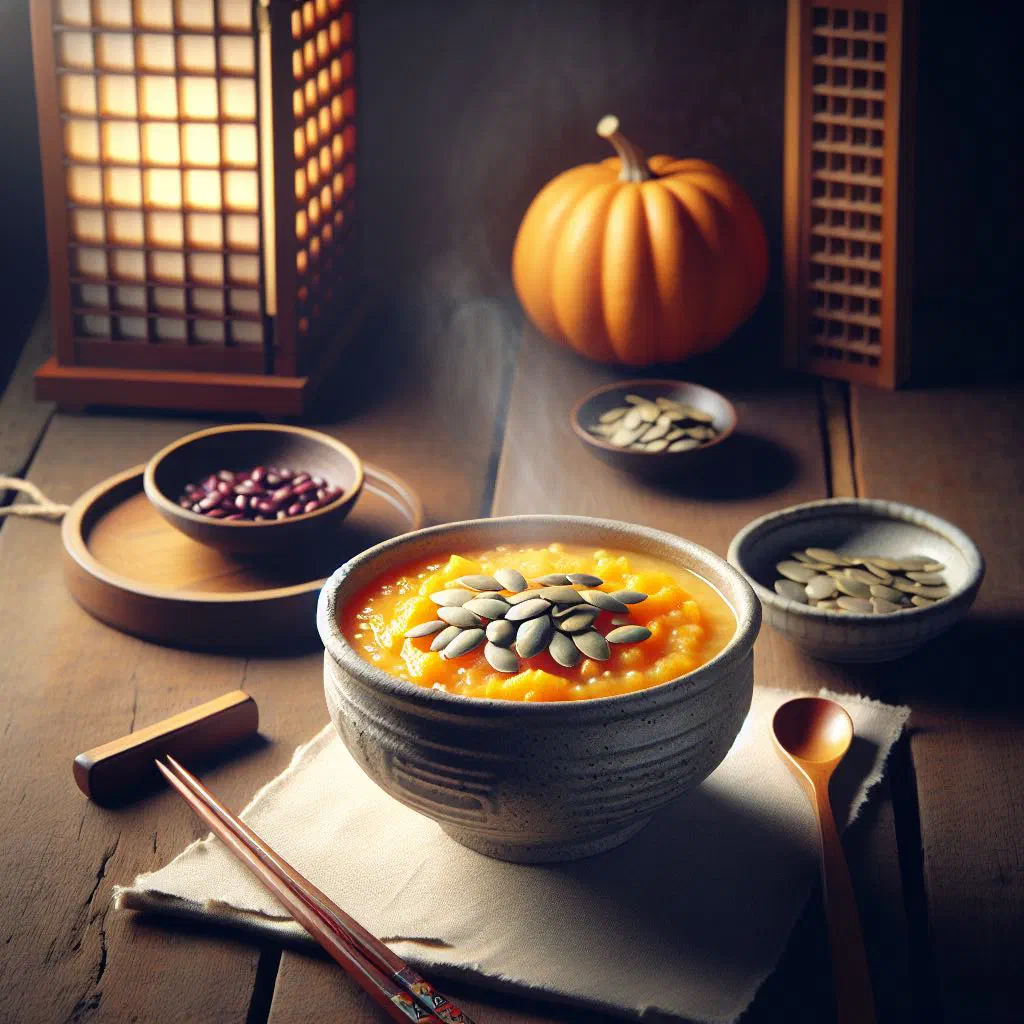
Discover Hobakjuk, the silky golden pumpkin porridge that South Koreans turn to whenever the weather cools. This gently sweet bowl marries the natural mellowness of squash with the comforting heft of rice, all simmered down to a smooth, spoonable cream. It is nourishing, naturally wholesome and wonderfully soothing, the kind of dish that warms you from the inside out and appeals to young and old alike.
About Hobakjuk
Hobakjuk is a delicious Korean pumpkin porridge that can be enjoyed as a light snack or a gentle, restorative meal. It is traditionally made with South Korean squash, known locally as hobak, simmered until meltingly soft and blended to a velvety cream. Thanks to its smooth texture and subtly sweet flavour, hobakjuk is especially popular during the cooler months. The use of soothing, wholesome ingredients and a refreshingly simple method make it an ideal dish for the whole family.
Ingredients (serves 1–2)
- 500g fresh pumpkin or squash (hobak)
- 1 litre water or vegetable stock
- 2–3 tablespoons rice (preferably glutinous rice)
- 2–3 tablespoons sugar (to taste)
- A pinch of salt
- Optional: puréed nuts or sesame, to garnish
Shopping for the ingredients
The key ingredients for hobakjuk are easy to track down. Hobak is available in most Asian grocery shops, often sold fresh or conveniently pre-packed. Look for a ripe squash that feels firm and heavy for its size, as this is the surest sign of good quality. The choice of rice matters too: glutinous rice gives the porridge its perfect, creamy texture, though ordinary rice can stand in if needed. Many of these staples turn up just as readily in the wider world of South Korean cuisine.
Preparing the dish
Before you start cooking hobakjuk, it pays to have everything prepped and ready. First, wash the pumpkin thoroughly, then peel it and cut it into small pieces. The rice should be soaked in water beforehand so it can swell properly as it cooks. These few preparatory steps keep the cooking smooth and unhurried, and help you achieve a beautifully tasty result.
Step-by-step instructions
- Put the peeled, diced pumpkin into a pan with the water or stock and bring to the boil.
- Add the soaked rice and lower the heat.
- Let the porridge simmer gently for around 20–30 minutes, until the pumpkin is soft and the mixture turns creamy.
- Blend the porridge with a stick blender or in a jug blender until perfectly smooth.
- Stir in sugar and salt to taste, mixing well.
- Garnish with puréed nuts or sesame if you like, and serve piping hot.
Gluten-free / lactose-free version
Hobakjuk is naturally gluten-free and easily made lactose-free. Simply use water or vegetable stock rather than any animal-based broth in the preparation. You can also reach for vegan sugar or alternative sweeteners to adapt the dish if you have particular dietary needs. It is an elegant, flavourful option that suits a wide range of diets.
Tips for vegans and vegetarians
Hobakjuk is ideal for vegans and vegetarians, since the ingredients are entirely plant-based. To add extra nutrients and healthy fats, try scattering over soaked chia seeds or linseeds as a topping. These additions boost the nutritional value as well as the texture of the dish. Whether during or after cooking, everyone can add their own wholesome extras to taste.
More tips and tricks
There are plenty of creative twists on hobakjuk worth trying. One insider tip is to blend in a banana, or swap part of the pumpkin for coconut milk, for a richer, rounder flavour. You might also experiment with warming spices such as cinnamon or a splash of vanilla extract. These small tweaks can transform the taste and open up exciting new flavour experiences.
Adapting the recipe to your taste
The flexibility of hobakjuk means it is easy to tailor to your own preferences. If you have a sweet tooth, add more sugar or a drizzle of honey to intensify the sweetness. Should you prefer a more savoury bowl, use vegetable stock in place of water or stir in a few extra spices. In no time you will land on your own personal favourite version.
Ingredient substitutions
If you do not have certain ingredients to hand, there are some easy swaps. Instead of glutinous rice, you can use oats, which create a similarly creamy texture as they cook. The hobak can be replaced with tinned pumpkin or other squash varieties, though fresh squash will always deliver the best flavour. For more hearty comfort cooking in the same vein, take a look at Gamjatang. Experiment with different versions and discover what tastes best to you.
Drink pairing ideas
To enjoy hobakjuk all the more, pair it with the right drink. A cool green tea goes beautifully alongside it, while a glass of fruity smoothie offers a welcome refreshment. For a sweeter note, a coffee with a touch of cinnamon works a treat. A warm herbal tea is another fine choice, gently underscoring the flavours of the pumpkin porridge.
Serving and presentation ideas
Presentation can lift the hobakjuk experience considerably. Use a decorative bowl and garnish the porridge with fresh nuts or toasted pumpkin seeds for extra crunch. A few drops of coconut milk or a little honey swirled on top add the finishing touch. Do not forget to arrange the dish so it looks as inviting as it tastes, after all, we eat with our eyes first.
A bit of history
Hobakjuk has its roots in traditional Korean cooking and is often prepared at home as a true comfort food. Pumpkin has been cultivated in Korea for centuries and is treasured as a valuable ingredient. During the colder seasons, hobakjuk is frequently eaten as a nourishing dish to warm the body. Its enduring popularity shows in the many variations that suit regional tastes, much like the gentle warmth of a bowl of Tteokguk.
More recipe ideas
Summary: Hobakjuk
In short, hobakjuk is a simple and delicious dish that is easy to make and quick to adapt to your own preferences. With fresh ingredients and a few straightforward steps, you can create a meal that is as nourishing as it is satisfying. Be creative in the kitchen and enjoy the many combinations this dish has to offer. Let Korean cuisine inspire you and bring a taste of traditional comfort food to your table.