National Dish South Korea: Hodu-gwaja (Recipe)

In this article
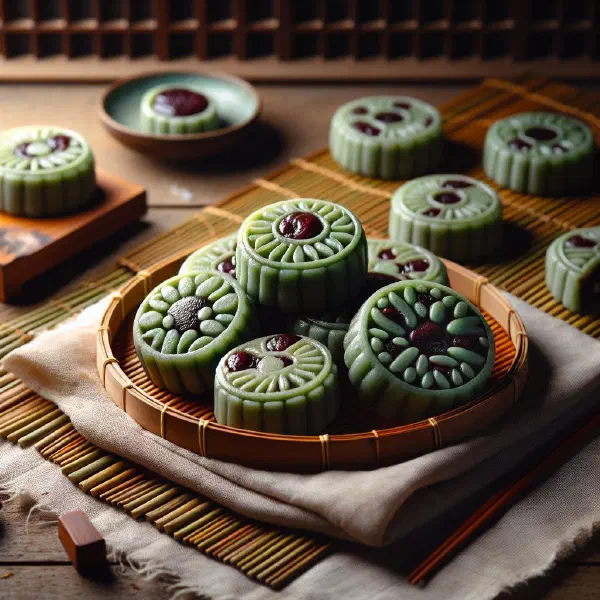
Meet Hodu-gwaja, the charming little walnut-shaped cookies that have become one of South Korea’s most beloved sweet treats. A crisp, golden shell wraps around a soft filling of sweet red bean paste studded with crunchy walnuts, making each bite a perfect balance of texture and flavour. These moreish morsels feel right at home on any occasion. Bring a taste of a Korean teahouse straight into your own kitchen.
About Hodu-gwaja
Hodu-gwaja are far more than a simple snack. They are a much-loved dessert across South Korea that has also won admirers well beyond its borders. These little cookies are prized for their distinctive walnut shape and their wonderful contrast of textures. A crisp, lightly sweetened batter encases a generous filling of red bean paste and chopped walnuts, creating a treat that is both comforting and indulgent. Enjoyed warm alongside a hot drink, they suit everything from a casual break to a festive gathering.
Ingredients (serves 1–2)
- 100 g plain flour
- 50 g sugar
- 1 egg
- 50 ml water
- 50 g red bean paste
- 50 g chopped walnuts
- 1 teaspoon baking powder
- Vegetable oil, for the pan
Shopping for the ingredients
The heart of these cookies is the red bean paste, which is essential to the flavour of authentic Hodu-gwaja, so it is worth seeking out a good-quality version. Fresh walnuts give the filling its pleasant crunch, so choose ones that smell sweet rather than bitter. You will find most of the ingredients in an Asian grocery or online, and the everyday basics such as flour, sugar and eggs are easy to pick up at any supermarket.
Preparing the dish
Begin by preparing the batter, mixing the dry ingredients together in a bowl until evenly combined, a smooth, homogeneous mixture gives you the best consistency. While the batter rests, turn your attention to the filling, blending the red bean paste thoroughly with the chopped walnuts so the flavours have a chance to mingle. A little organisation here makes shaping and frying the cookies far quicker and more relaxed.
Step-by-step instructions
- Mix the flour, sugar, baking powder and egg together in a bowl.
- Slowly add the water, stirring until you have a smooth, lump-free batter.
- Divide the dough into small portions and roll each one into a ball.
- Flatten each ball and place a spoonful of the filling in the centre.
- Fold the dough over the filling and shape it into a neat little cookie.
- Heat the oil in a pan and fry the cookies until golden brown.
- Drain the filled cookies on kitchen paper and enjoy them warm.
Gluten-free / lactose-free version
For a gluten-free take on Hodu-gwaja, swap the plain flour for an alternative such as rice flour or almond flour, both of which work beautifully here. The recipe is naturally low in dairy, but if you want it fully lactose-free, many plant-based milks make an excellent substitute for the water or any dairy you might add. You can also vary the filling with a different nut butter or a vegan bean paste, so that anyone with special dietary needs can still enjoy these cookies.
Tips for vegans and vegetarians
To make a vegan version, simply leave out the egg and replace it with a mixture of water and ground flaxseed. This blend binds the batter and helps you achieve just the right consistency. Do check that the red bean paste contains no animal products, as some shop-bought versions can. With these small swaps, vegans can tuck into delicious Hodu-gwaja without a second thought, much like the plant-friendly approach behind Kongnamul Muchim.
More tips and tricks
One of the most important tips for making Hodu-gwaja is getting the frying temperature right. Oil that is too hot will scorch the outside while the inside stays raw, so it pays to experiment until you reach the perfect even browning. You can also adjust the sweetness of the batter to suit your palate, adding a little more sugar for a richer treat or holding back for something more delicate.
Adapting the recipe to your taste
Everyone has their own preferences, and that is all part of the fun. Experiment with different fillings, chocolate or fresh fruit, for instance, to bring a new twist to your Hodu-gwaja. You can also play with the batter by adding warming spices such as cinnamon or a touch of vanilla. This way you can shape the cookies entirely around your own taste, in the same spirit of playful variety you find in Yakgwa.
Ingredient substitutions
If you cannot get hold of red bean paste, hazelnut paste or another nut butter makes a delicious stand-in. In place of walnuts you might use almonds or pecans for a slightly different flavour. Feel free to be creative with the ingredients, perhaps stirring in a little honey or syrup for an extra hit of sweetness, the same easygoing approach that makes Gangjeong so endlessly adaptable.
Drink pairing ideas
Hodu-gwaja pair beautifully with a cup of green tea, whose gentle bitterness balances their sweetness and heightens the enjoyment. Black tea or even a fruity cocktail also harmonise wonderfully with these walnut cookies. Coffee lovers, meanwhile, will find a mild latte or a short espresso rounds off the flavours nicely. Choose your favourite drink and savour the perfect combination.
Serving and presentation ideas
Thoughtful presentation can lift the pleasure of eating Hodu-gwaja considerably. Arrange the cookies on an attractive plate and garnish them with fresh fruit or a light dusting of icing sugar. You might also serve them in little paper bags for a charming, teahouse-style touch. These small details make the dessert not only delicious but a pleasure to look at too.
A bit of history
Hodu-gwaja originated in South Korea and are closely tied to the country’s rich tea culture. The cookies are especially popular at holidays and celebrations, where they are said to symbolise good fortune and prosperity. The pairing of crisp batter and nutty filling makes them a special treat, long served in traditional teahouses and still a fixture in many homes today, a sweet counterpart to savoury Korean cuisine classics enjoyed across the country.
More recipe ideas
Summary: Hodu-gwaja
In short, Hodu-gwaja are a delicious and versatile Korean delicacy that suit a whole range of occasions. With their crisp-yet-soft texture and sweet, nutty filling, they are a real highlight of any spread. These cookies are easy to make and sure to win everyone over. Give them a try and let their very good flavour charm you.