National Dish South Korea: Hwangtae Guk (Recipe)
In this article
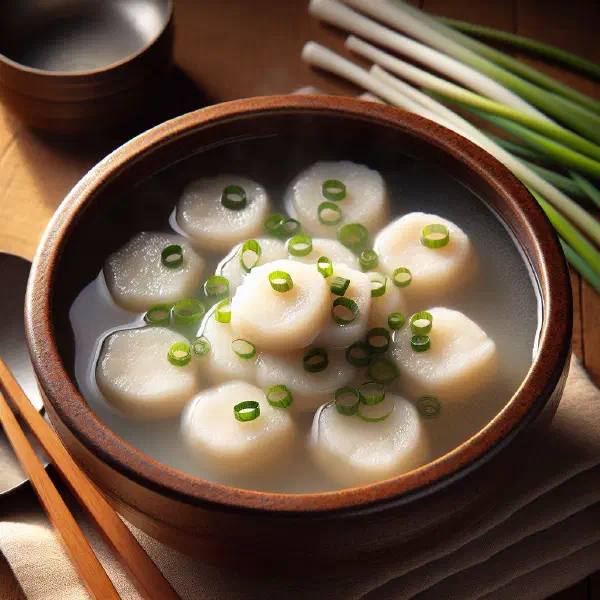
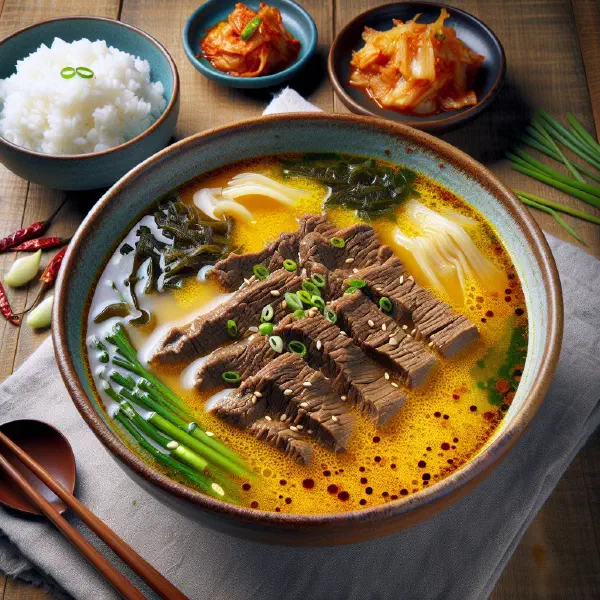
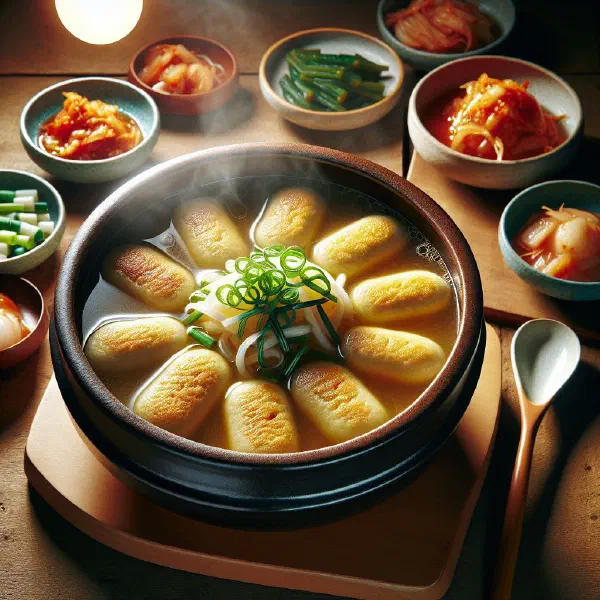
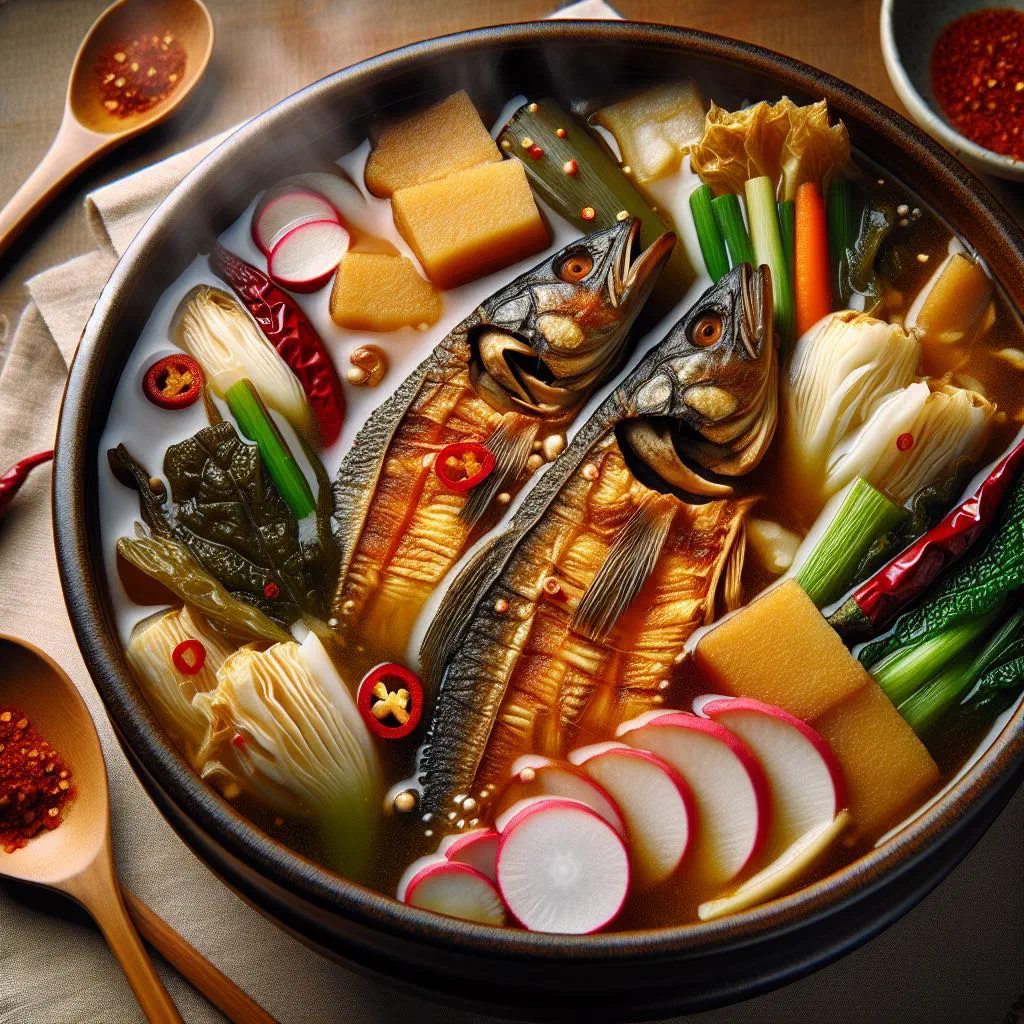
Warm up with Hwangtae Guk, a soothing Korean soup built around delicate flakes of dried pollock, fragrant vegetables and a savoury, clear broth. Light yet deeply nourishing, it is the kind of bowl Koreans reach for on a cold winter’s day, or, famously, the morning after a night out. Easy to put together and gentle on the stomach, this restorative soup brings the comforting heart of the Korean table straight into your own kitchen.
About Hwangtae Guk
Hwangtae Guk is a traditional Korean soup made from dried pollock, aromatic vegetables and a lightly seasoned broth. It is prized for its clean, savoury flavour and for the many benefits it brings to the table: the soup is rich in protein and nutrients drawn from the fish and the fresh ingredients. It is especially popular during the colder months, when it warms the body, comforts the spirit and gives the immune system a welcome boost.
Ingredients (serves 1–2)
- 100 g dried pollock (hwangtae)
- 1 onion, sliced
- 1 carrot, diced
- 2 spring onions, cut into rings
- 1 clove garlic, finely chopped
- 1 litre water or fish stock
- 1 tablespoon soy sauce
- 1 teaspoon sesame oil
- Salt and pepper, to taste
Shopping for the ingredients
When shopping for hwangtae guk, it is worth seeking out good-quality dried pollock. This speciality fish is usually found in Asian supermarkets or can be ordered online. Fresh vegetables such as onions, carrots and spring onions lift the soup considerably, so reach for seasonal produce wherever you can to coax out the very best flavour.
Preparing the dish
Getting Hwangtae Guk ready is quick and straightforward. First, soak the dried fish in cold water to soften it and draw out some of the saltiness. While the fish rehydrates, wash and chop the vegetables so everything is ready to go. A little organisation up front keeps the cooking smooth and helps guarantee a delicious result.
Step-by-step instructions
- Rinse the soaked pollock and cut it into small pieces.
- Bring the water or fish stock to the boil in a large pan.
- Add the onion, carrot and garlic, and simmer for about 5–10 minutes.
- Add the fish and cook for a further 10 minutes.
- Stir in the soy sauce, sesame oil, and salt and pepper to taste.
- Garnish with spring onions and serve.
Gluten-free / lactose-free version
For a gluten-free version of Hwangtae Guk, swap the regular soy sauce for a gluten-free soy sauce or tamari. The soup is naturally lactose-free, as it contains no dairy at all. If you are using a ready-made stock, just check that it is gluten-free too. With these simple tweaks the authentic flavour stays perfectly intact.
Tips for vegans and vegetarians
For a vegan and vegetarian take on Hwangtae Guk, simply replace the pollock with tofu or firm soy products. Use a vegetable stock in place of fish stock and adjust the seasoning to reach the flavour you are after. The soup stays nourishing and tasty even without the fish, making the dish accessible to everyone at the table. The same plant-based swaps work beautifully in a comforting bowl of Kongnamul Guk.
More tips and tricks
To get the most from your Hwangtae Guk, lean on a few small touches. Use fresh ingredients to maximise the flavour, and feel free to introduce variations such as a handful of mushrooms or some spinach. A squeeze of lime juice just before serving can take the taste to a whole new level.
Adapting the recipe to your taste
Everyone has their own flavour preferences, and that is the beauty of Hwangtae Guk. Vary the vegetables to suit your taste. Add courgette or peppers, for example, for a fresh twist. The heat is easy to dial up or down by adding more or less chilli paste. The recipe’s flexibility makes it simple to tailor the dish exactly to your liking.
Ingredient substitutions
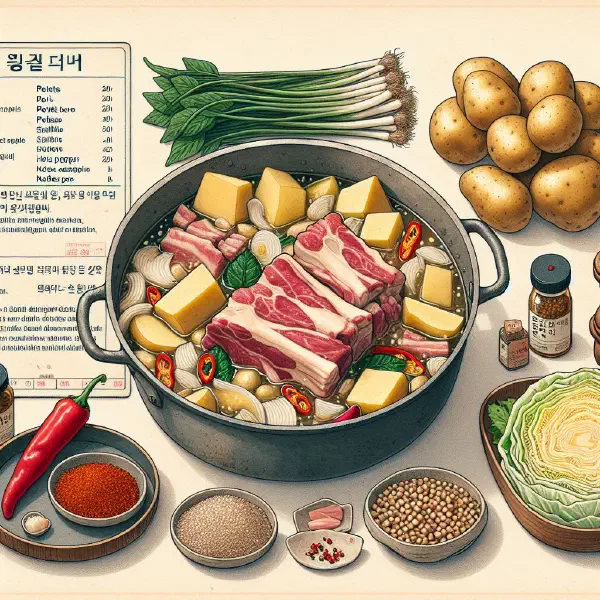
If you struggle to find dried pollock, you can use other dried fish with a similar flavour instead. The choice of broth can vary too: a chicken stock lends a slightly sweeter note. As for the vegetables, feel free to fall back on whatever is in season or readily available in your area. None of these alternatives should change the essential character of the soup, much as the swaps in a hearty Gamjatang keep its soul intact.
Drink pairing ideas
Plenty of drinks pair well with Hwangtae Guk and bring out the flavour of the soup. Surprise your guests with a Korean rice spirit such as soju, which complements the aromas beautifully. A mild, grassy tea like green tea also harmonises wonderfully. Alternatively, an alcohol-free option such as a sweet fruit juice or a fresh lime cooler makes an excellent choice.
Serving and presentation ideas
A nicely arranged bowl can lift the whole Hwangtae Guk experience. Serve the soup in a traditional Korean bowl to underline its cultural roots. A green garnish of fresh herbs and spring onions adds colour and brings extra flavour to the dish. Consider serving it with a side of kimchi, a classic pairing that rounds the meal off perfectly. A small plate of Pajeon on the side turns it into a generous spread.
A bit of history
Hwangtae Guk has a long history in Korean cuisine. The dried pollock at its heart was historically an important source of protein for farming communities across South Korea, especially through the long winter months. The soup embodies the idea of making the most of every ingredient, turning the simplest of foods into something delicious. Over the years the recipe has evolved, yet it remains true to its roots, much like the deep, slow-cooked tradition behind Yukgaejang.
More recipe ideas
Summary: Hwangtae Guk
Hwangtae Guk is more than just a soup; it is a dish brimming with flavour and history. This heart-warming bowl brings together wholesome ingredients to make a nourishing meal that is perfect for cold days. With its many adaptations and alternatives, everyone can enjoy this traditional dish. Let Korean cuisine inspire you and try making Hwangtae Guk yourself. It is a wonderful experience for every food lover and keen home cook.