National Dish South Korea: Jajangmyeon (Recipe)
In this article
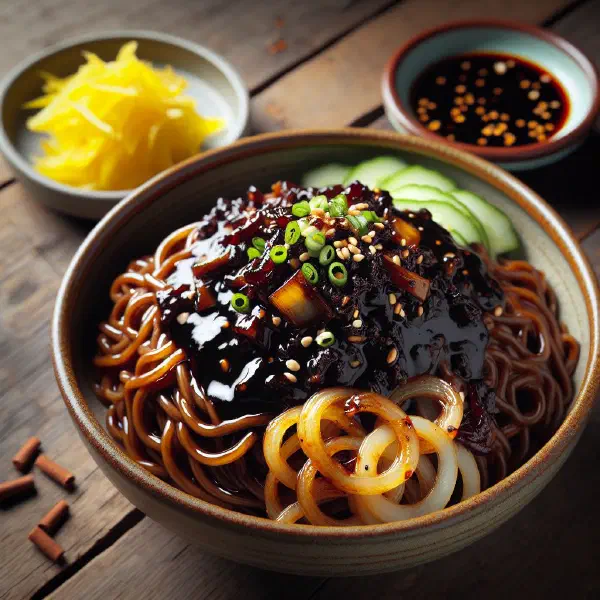
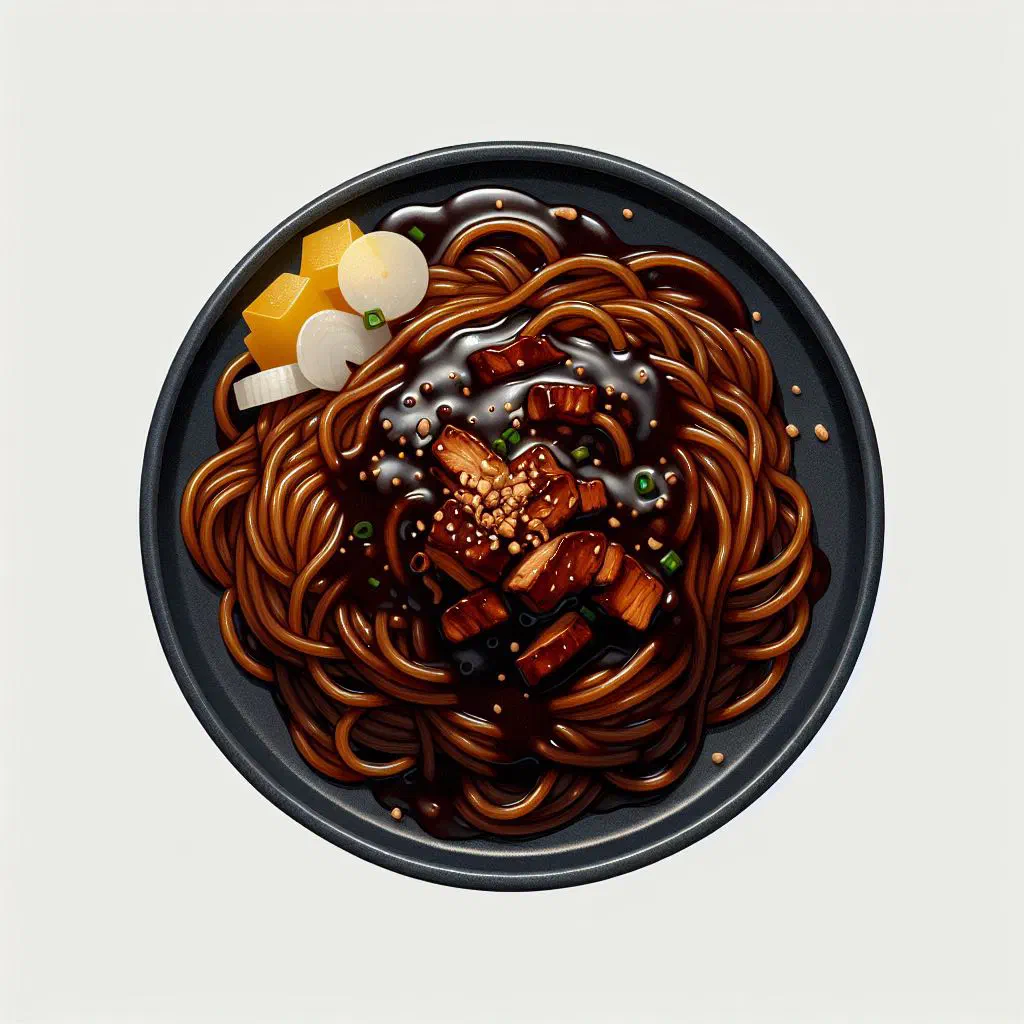
Meet Jajangmyeon, one of South Korea’s most beloved comfort dishes. Soft, springy noodles are smothered in a glossy, almost jet-black sauce built from fermented black bean paste, tender pork and diced vegetables. Sweet, savoury and utterly moreish, it is the sort of bowl Koreans reach for on a lazy weekend or order in the moment cravings strike. Bring the buzz of a neighbourhood Korean-Chinese kitchen straight to your own table.
About Jajangmyeon
Jajangmyeon is a hearty, hugely popular Korean noodle dish, instantly recognisable by its dark, almost black bean sauce that lends it both a striking colour and a deep, savoury flavour. Though its roots lie in China, the dish took on a life of its own in Korea and grew into a genuine national favourite. The pairing of soft, fresh noodles with a rich sauce of black bean paste, meat and vegetables makes this the ultimate bowl of comfort food.
Ingredients (serves 1–2)
- 150 g fresh jajangmyeon noodles or udon noodles
- 100 g pork belly or pork, diced
- 2 tablespoons vegetable oil
- 1 onion, diced
- 1/2 courgette, diced
- 2 potatoes, diced
- 2–3 tablespoons chunjang (Korean black bean paste)
- 1 tablespoon sugar
- 1 teaspoon garlic, minced
- 400 ml water
- 1 tablespoon cornflour, dissolved in a little water
- Salt and pepper to taste
- A few cucumber slices, to serve (optional)
Shopping for the ingredients
When making jajangmyeon, pay particular attention to the quality and authenticity of the black bean paste, chunjang, which you will find in Asian grocery shops or online. Fresh noodles give the best result, though udon noodles make a good stand-in. When buying the meat, choose pork that is fresh and well suited to frying.
Preparing the dish
Cut the meat and vegetables into evenly sized cubes so everything cooks at the same rate. Before frying the chunjang paste, toast it briefly in a small dry pan without any oil to intensify its aromas.
Step-by-step instructions
- Cook the noodles according to the packet instructions, drain and set aside.
- Heat the oil in a wok or large frying pan and sauté the pork until lightly browned.
- Add the onion, garlic, potatoes and courgette and fry until the vegetables soften.
- Stir in the toasted chunjang paste along with the sugar and fry for 2–3 minutes.
- Pour in the water, bring to the boil, then lower the heat and let the sauce simmer for about 10 minutes.
- Add the cornflour mixture and stir until the sauce thickens.
- Arrange the noodles on a plate, spoon over the sauce and season to taste with salt and pepper.
Gluten-free / lactose-free version
Jajangmyeon is naturally lactose-free, as the sauce relies on no dairy at all. To make it gluten-free, swap the wheat noodles for rice or buckwheat noodles and check that your chunjang is made without wheat, since many versions include it. With those simple swaps, everyone can enjoy this Korean classic without worry. Much like a comforting bowl of Kalguksu, it is easy to adapt to different needs.
Tips for vegans and vegetarians
To make the dish vegan or vegetarian, replace the pork with tofu or a meat-style alternative. Do check the black bean paste for fish or meat extracts, though vegan versions of this paste are readily available. Fresh vegetables and a well-seasoned sauce carry the flavour beautifully, so you will not miss the meat. A plant-based bowl of jajangmyeon sits happily alongside dishes like Japchae.
More tips and tricks
If the sauce turns out too thick, simply loosen it with a splash more water. For a deeper, more rounded flavour, toast the black bean paste a little longer before adding the liquid. Take care not to let it catch, as burnt paste can turn bitter. A patient simmer is what gives jajangmyeon its signature richness.
Adapting the recipe to your taste
This recipe adapts easily to suit different palates. If you prefer a milder, less savoury bowl, hold back on the amount of black bean paste. You could also swap the pork for chicken or tofu as your protein of choice. Extra vegetables such as cabbage or peas make the sauce even heartier, the same generous spirit you find in a bowl of Jjampong.
Ingredient substitutions
If some ingredients are hard to source, there are plenty of creative alternatives. Sweet potatoes work nicely in place of regular potatoes, while udon or even spaghetti can stand in for fresh jajangmyeon noodles at a pinch. For the protein, diced chicken thigh or firm tofu slot in effortlessly for the pork. Cornflour can be swapped for potato starch to achieve the same glossy, thickened sauce.
Drink pairing ideas
A simple hot green tea or a traditional Korean barley tea (bori cha) or roasted rice tea balances the savoury depth of jajangmyeon beautifully. Cold water or soya milk make pleasant, cooling companions too. For something a little different, an unsweetened iced tea keeps the palate refreshed between mouthfuls of the rich sauce.
Serving and presentation ideas
Traditionally the dish is served with the noodles beneath and the sauce spooned generously on top. A few fresh, thin cucumber slices to the side add colour and a welcome crunch. A scattering of chopped spring onions over the sauce lifts both the look and the aroma. Serve it in a wide, shallow bowl so everyone can toss the noodles through the sauce before digging in.
A bit of history
Jajangmyeon traces its origins to China and was brought to Korea by Chinese immigrants. There it evolved over generations into a Korean classic, found above all in the Korean-Chinese restaurants known as junggukjip. Today it is regarded as quintessential comfort food and a quick, filling meal, and it remains a much-loved part of everyday Korean cuisine.
More recipe ideas
Summary: Jajangmyeon
Jajangmyeon is a flavourful, versatile dish made from relatively simple ingredients, with plenty of room for personal tweaks. It marries the comfort of soft noodles with the depth of fermented black bean paste for a warming, thoroughly satisfying meal. This Korean-Chinese favourite is sure to win a place at your table. Give it a go and let its glossy, savoury sauce speak for itself.