National Dish South Korea: Jjampong (Recipe)
In this article
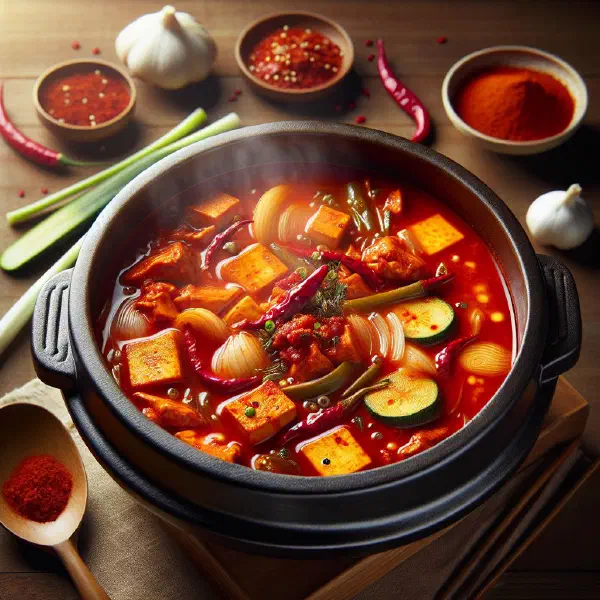
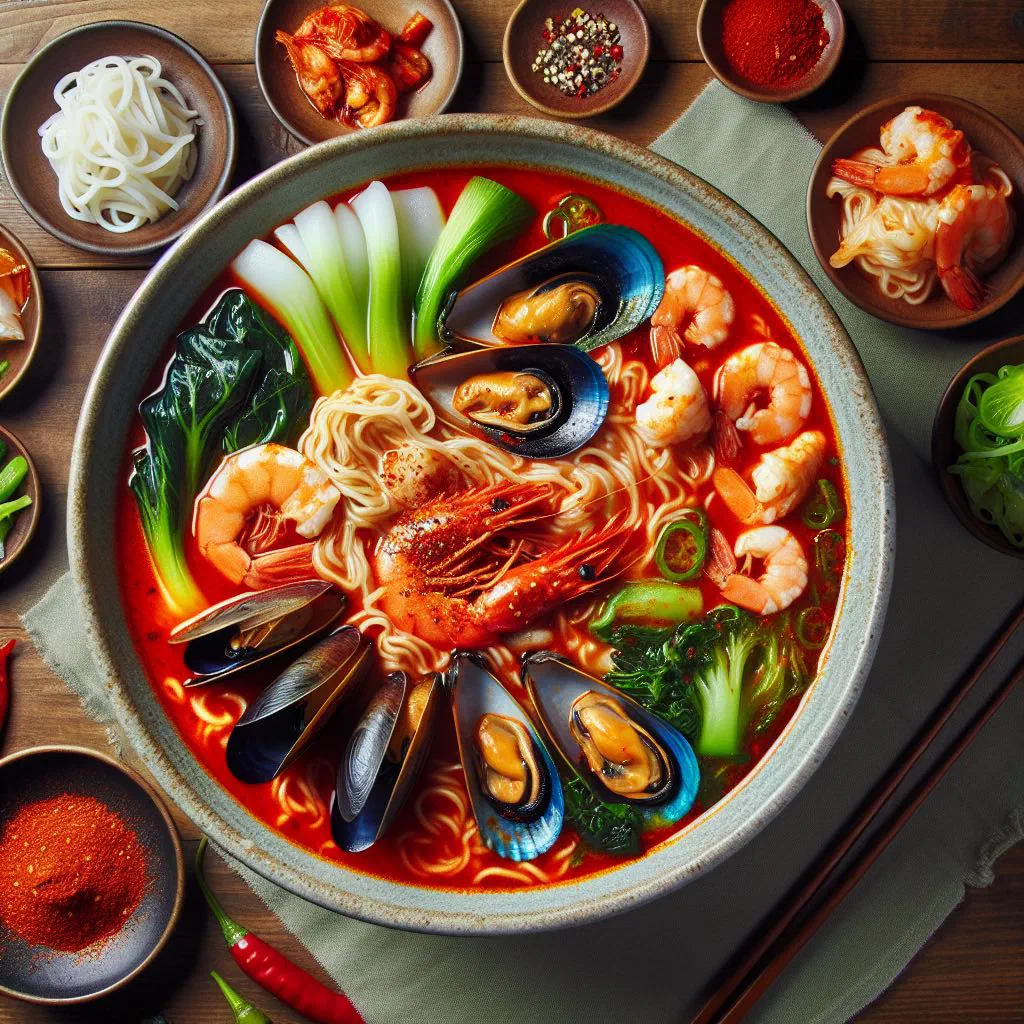
Warm up with Jjampong, one of Korea’s most beloved bowls of comfort. This fiery noodle soup brings together plump seafood, crisp vegetables and springy noodles in a deeply aromatic, chilli-spiked broth. It is the kind of dish that chases away the chill of a cold winter’s day while filling the kitchen with the very good scent of garlic and sesame oil. Bring the bustle of a Korean noodle house straight to your own table.
About Jjampong
Jjampong is a traditional Korean dish celebrated for its aromatic depth and bold, spicy character. This hearty noodle soup is especially popular through the winter months, warming the body and offering a generous helping of nourishment with every spoonful. The combination of seafood, fresh vegetables and a fiery broth turns each mouthful into a little event. Jjampong is cooked in Korean homes up and down the country and forms a firm part of the nation’s culinary identity.
Ingredients (serves 1–2)
- 200 g jjampong noodles
- 200 g mixed seafood (prawns, squid, mussels)
- 100 g white cabbage, roughly chopped
- 1 carrot, cut into fine strips
- 1 courgette, cut into half-moons
- 2–3 spring onions, sliced into rings
- 2 tablespoons chilli paste (gochujang)
- 1 tablespoon soy sauce
- 2 cloves garlic, chopped
- 1 litre vegetable stock
- Sesame oil, for frying
- Fresh coriander leaves, to garnish
Shopping for the ingredients
If you want to make jjampong, it pays to gather your fresh ingredients first. Many of them are easy to find in Asian grocery shops, particularly the special noodles and the chilli paste. Take care to choose good-quality seafood so the full flavour of the soup can shine through. Fresh vegetables matter too, as they contribute so much to the dish’s texture and aroma, much like the crisp produce that gives a Pajeon its bite.
Preparing the dish
Preparing jjampong is straightforward and takes very little time. Begin by chopping the vegetables so everything is within easy reach once you start cooking. It is worth cleaning and lightly marinating the seafood beforehand to give it extra flavour. The noodles, meanwhile, should be par-cooked according to the packet instructions so they have the perfect texture when it comes to serving.
Step-by-step instructions
- Heat a little sesame oil in a large pot and add the chopped garlic. Fry briefly until fragrant.
- Add the chopped vegetables (white cabbage, carrot, courgette) and sauté for about 5 minutes until slightly softened.
- Stir in the chilli paste and the soy sauce, mixing well to combine the flavours.
- Pour the vegetable stock into the pot and bring the mixture to the boil.
- Add the seafood and let the soup simmer over medium heat until the seafood is cooked through.
- Meanwhile, cook the jjampong noodles according to the packet instructions, then add them to the soup.
- Serve the soup piping hot, garnished with fresh spring onions and coriander leaves.
Gluten-free / lactose-free version
It is perfectly possible to make jjampong both gluten-free and lactose-free by reaching for a few special products. Use gluten-free noodles in place of the usual ones, for example. The soy sauce can also be swapped for gluten-free tamari, which helps make the dish easier to tolerate. That way, anyone with an intolerance can still enjoy this delicious bowl.
Tips for vegans and vegetarians
Vegans and vegetarians can enjoy jjampong too, simply by replacing the seafood with mixed vegetables or a combination of tofu and mushrooms. The key here is to give the broth plenty of flavour by adding extra spices and herbs. A little more chilli paste deepens the taste and delivers that all-important heat. With a touch of creativity, this dish can be just as delicious without any animal products.
More tips and tricks
To intensify the flavour of jjampong, feel free to vary the vegetables and reach for seasonal produce. Mushrooms, for instance, work beautifully and lend the soup an extra hit of umami. A squeeze of lime juice just before serving adds a welcome freshness. You might also scatter toasted sesame seeds over the top, which improves both the aroma and the look of the finished bowl.
Adapting the recipe to your taste
The wonderful thing about jjampong is how easily it bends to personal preference. You can adjust the heat by using more or less chilli, or try a much milder version altogether. The choice of vegetables is just as flexible: broccoli, peppers or even sweet potato add interesting new flavours. This adaptability means you can reinvent the dish again and again, in the same spirit as a versatile Ojingeo Bokkeum.
Ingredient substitutions
If you find yourself short of certain ingredients, there are plenty of alternatives to fall back on. Instead of jjampong noodles, ramen noodles or even rice noodles will do the job nicely. In place of seafood, seitan or tempeh work very well for a hearty, plant-based version.
Drink pairing ideas
A range of drinks pairs beautifully with a steaming bowl of jjampong. A cold Korean beer, such as Hite or OB, is a refreshing choice that balances the soup’s heat nicely. Alternatively, you might serve a roasted barley tea or yuja cha (citron tea), which offers a gentle, sweet contrast. For those who like a little sparkle, a glass of prosecco or a fruity sangria also fits the bill.
Serving and presentation ideas
Presentation can lift the whole jjampong experience. Serve the soup in large, deep bowls and garnish with fresh coriander, slices of radish or toasted sesame seeds. Colourful vegetables boost the visual appeal of the dish and create an inviting impression. Finish the picture with a handsome pair of chopsticks or a spoon to complete the look.
A bit of history
Jjampong has its origins in the Korean port city of Incheon, where cultural diversity shaped the development of this flavourful noodle soup. It is a fusion of Chinese, Korean and Japanese flavours that grew steadily in popularity over the years. Indeed, jjampong has become so widespread across Korea that you will find it in countless restaurants and snack bars. This delicious soup speaks of regional ingredients and of the history and influences woven through the broader world of South Korean cuisine, much like the time-honoured Tteokguk.
More recipe ideas
Summary: Jjampong
In short, jjampong is a versatile and deeply flavourful dish that represents Korean culture and charms with its sheer adaptability. The possible combinations are all but endless. Fresh ingredients and a thoughtful presentation can heighten the experience even further. Give it a try and surrender to the delicious world of jjampong.