National Dish South Korea: Jjigae (Recipe)
In this article
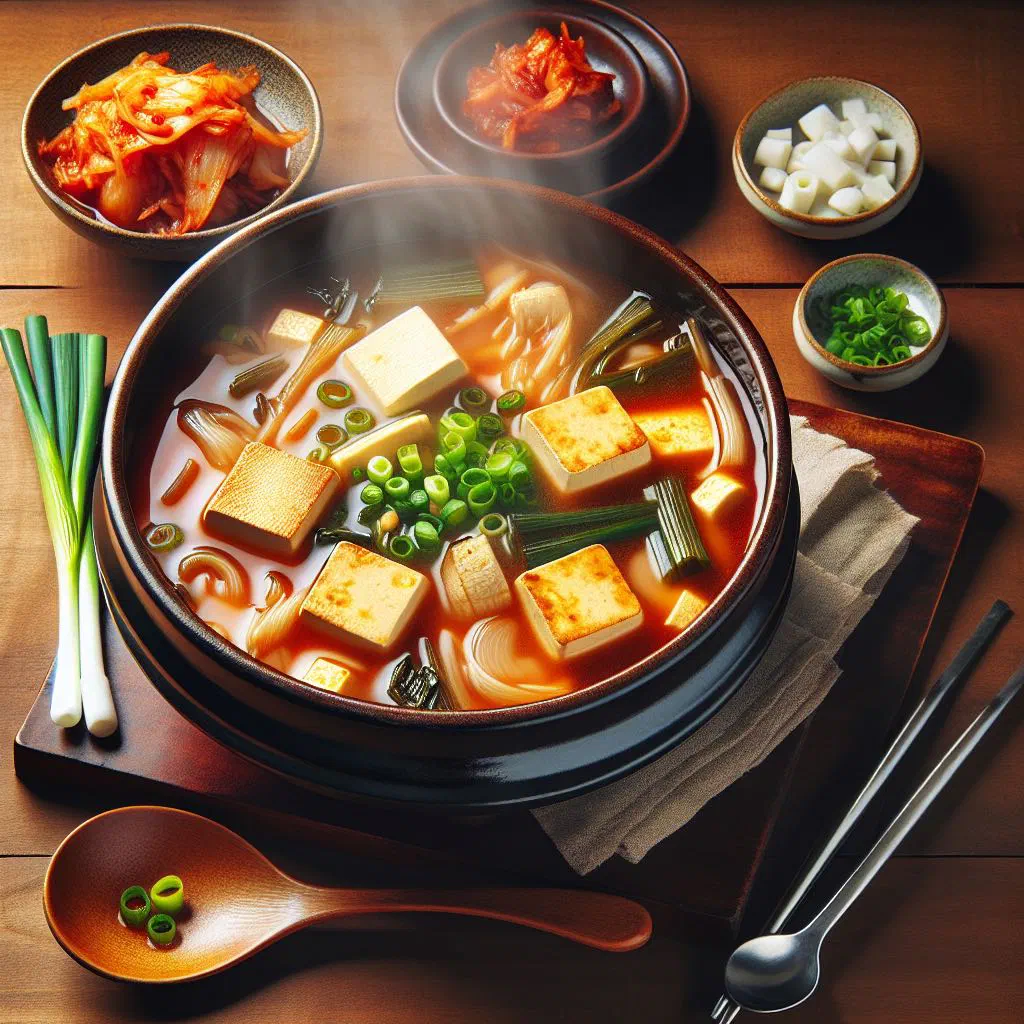
Meet Jjigae, the bubbling, soul-warming stew that sits at the very heart of Korean home cooking. More than a meal, it is a way of gathering people around the table on a cold evening or a sociable night in. From a fiery kimchi version to a gentle, silky tofu one, this hearty stew comes in countless guises, so there is a bowlful to suit every mood and every palate. Bring a little of Korea’s cosy, communal spirit straight to your own kitchen.
About Jjigae
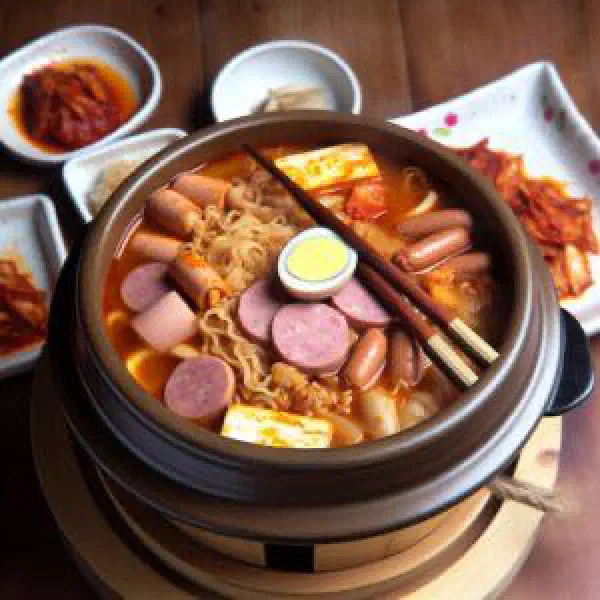
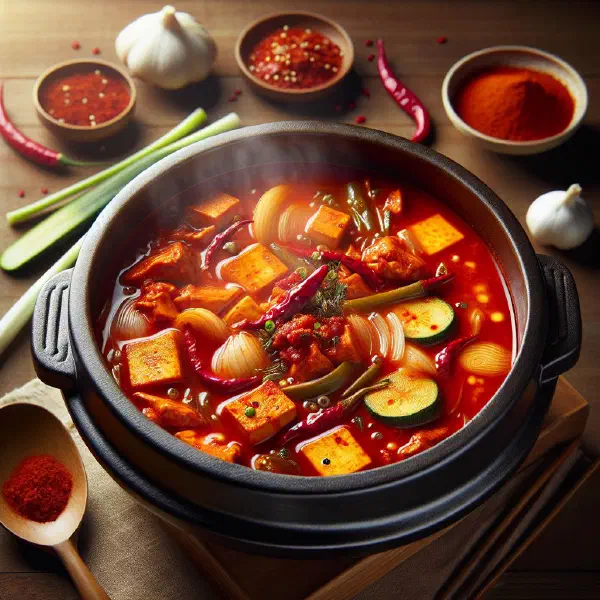
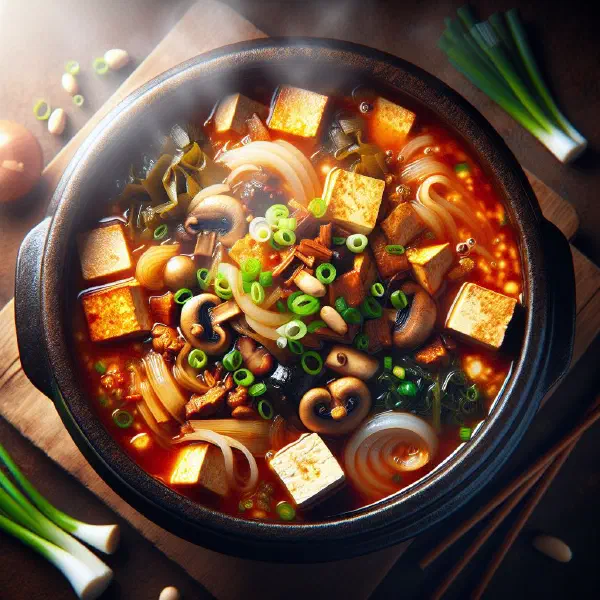
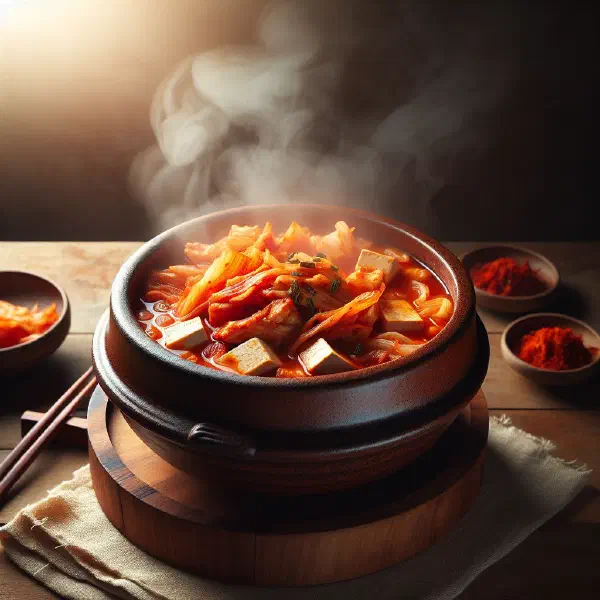
Jjigae is far more than just a dish; it is a symbol of Korean food culture, the kind of cooking that brings people together and radiates comfort. This hearty stew is prepared in a host of different versions and is hugely popular with locals and visitors alike. Whether in the depths of winter or over a relaxed evening with friends, Jjigae is the perfect way to share warmth and good food. Its variations range from the well-loved kimchi-jjigae to meat-based options, which means there really is something for every taste.
Ingredients (serves 1–2)
- 200 g firm tofu
- 100 g kimchi
- 1 onion
- 2 spring onions
- 2 cloves garlic
- 1 litre vegetable or chicken stock
- 2 tablespoons gochujang (Korean chilli paste)
- 1 tablespoon soy sauce
- 1 teaspoon sesame oil
- Optional: mushrooms, courgette or other vegetables
Shopping for the ingredients
To make Jjigae, you will need to track down the right ingredients. Fresh kimchi is essential, as it gives the dish its unmistakable flavour. Most Asian grocers stock good-quality gochujang and other Korean staples, all of which are well worth seeking out for an authentic result. When buying tofu, look for the firm variety, as it holds together in the broth and won’t fall apart during cooking.
Preparing the dish
Begin by washing the vegetables thoroughly and cutting them into even pieces so they cook at the same rate. Dicing the tofu into neat cubes lets it spread evenly through the stew. Fresh garlic and onion add extra depth of flavour, so prepare these too before you start cooking.
Step-by-step instructions
- Heat the sesame oil in a large pan and sauté the onion, garlic and spring onions until softened.
- Add the prepared kimchi and fry briefly to draw out its aromas.
- Pour in the stock and bring the mixture to the boil.
- Add the tofu and the remaining vegetables, then simmer over medium heat for around 15 minutes.
- Season with gochujang and soy sauce, and stir well once more.
- Serve the Jjigae piping hot, ideally in individual bowls.
Gluten-free / lactose-free version
To make Jjigae gluten-free, simply reach for a gluten-free soy sauce. The gochujang chilli paste is often gluten-free too, though it is always worth checking the label. Tofu is naturally lactose-free, so this dish is well suited to anyone with a lactose intolerance. A generous mix of vegetables makes a great addition, keeping the stew colourful and wholesome.
Tips for vegans and vegetarians
Making Jjigae vegan is easy: just swap the chicken stock for vegetable stock. The tofu can also be replaced with other plant-based proteins such as seitan or tempeh. The dish stays every bit as tasty while keeping things entirely plant-based. Extra vegetables like carrots or broccoli boost the nutritional value even further, much like the wholesome vegetable boost in a Kongnamul Guk.
More tips and tricks
A great tip is to ferment your own kimchi a few days in advance for a deeper, more intense flavour. Different styles of kimchi will lend their own character to the stew, so feel free to experiment. You can also play with the recipe by adding spicy seafood for a fresh twist. A scattering of fresh herbs such as coriander gives the dish a lovely finishing touch, in the same spirit as a savoury Dubu Kimchi.
Adapting the recipe to your taste
Depending on your own preference, the heat of Jjigae is easily adjusted simply by varying the amount of gochujang. You can also try out different vegetables or proteins to discover new flavours. Some cooks like to stir in a splash of coconut milk for a creamier finish and a softer balance of flavours. Experimenting with different spices can bring exciting new tastes to the table.
Ingredient substitutions
If you don’t have carrots or courgette to hand, other vegetables such as peppers or various mushrooms make excellent stand-ins. For a protein-rich version, pulses work beautifully and suit the Jjigae well. In place of tofu you might use chicken breast or beef to make the dish even more substantial, as you would in a hearty Gamjatang. It always pays to be creative and tailor the dish to your own tastes.
Drink pairing ideas
A warming bowl of Jjigae goes wonderfully with an ice-cold Korean beer or a light, refreshing lager. If you prefer something alcohol-free, green tea or a fruity ginger drink make great choices. A well-chilled soju is also a popular option in Korea and stands up beautifully to the heat of the dish. Every one of these drinks pairs naturally with the bold, intense flavours of the stew.
Serving and presentation ideas
Presentation plays an important part in the shared experience of eating Jjigae. Bowls arranged with fresh herbs or a drizzle of sesame oil make for an inviting sight. Colour and texture can be heightened with a few extra vegetables. Alongside the stew, side dishes such as steamed rice or Korean vegetable banchan round the meal out nicely.
A bit of history
Jjigae has a long tradition in Korean cuisine and is closely tied to family and community. In the past, leftover vegetables and meat were turned into nourishing stews that were cheap and simple to make. That tradition lives on today, with dishes like kimchi-jjigae counting as a staple in most Korean households. These days Jjigae has earned a firm place in kitchens around the world and enjoys huge popularity well beyond Korea, much like the comforting Yukgaejang.
More recipe ideas
Summary: Jjigae
In short, Jjigae is a much-loved and wonderfully versatile dish of Korean cuisine that is both delicious and nourishing. Its many variations offer something for every taste and make it ideal for sociable gatherings or cosy family evenings. Jjigae brings the flavours of Korea to the table and lets you savour a little of its culture in every bowl. Give it a go and let this gloriously aromatic stew win you over.