National Dish South Korea: Jjimdak (Recipe)
In this article
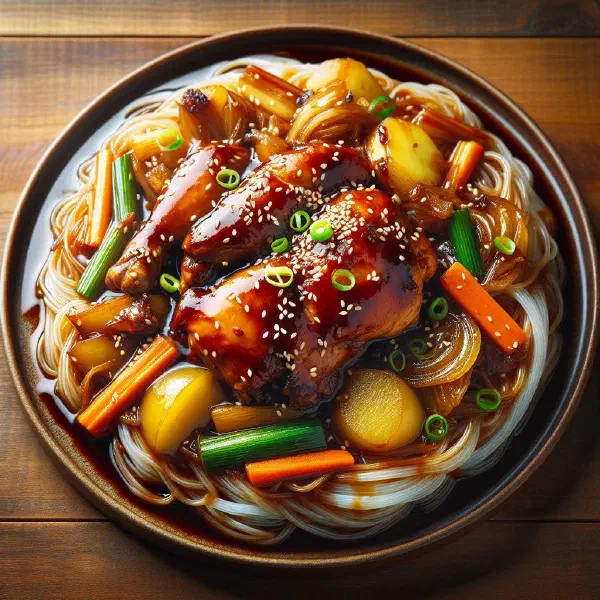
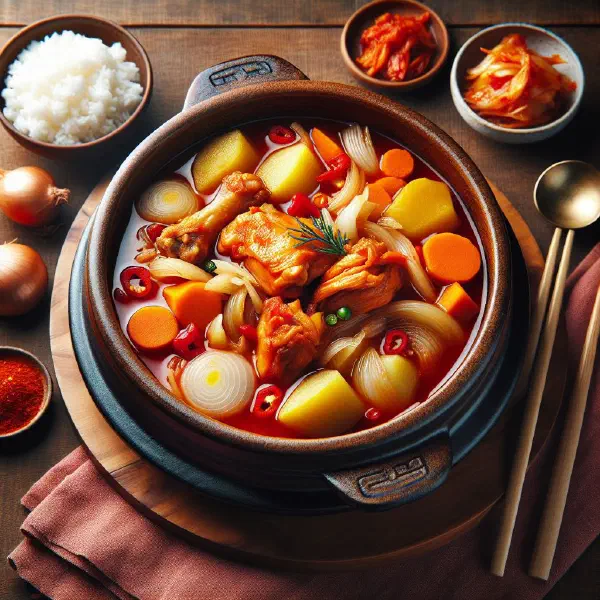
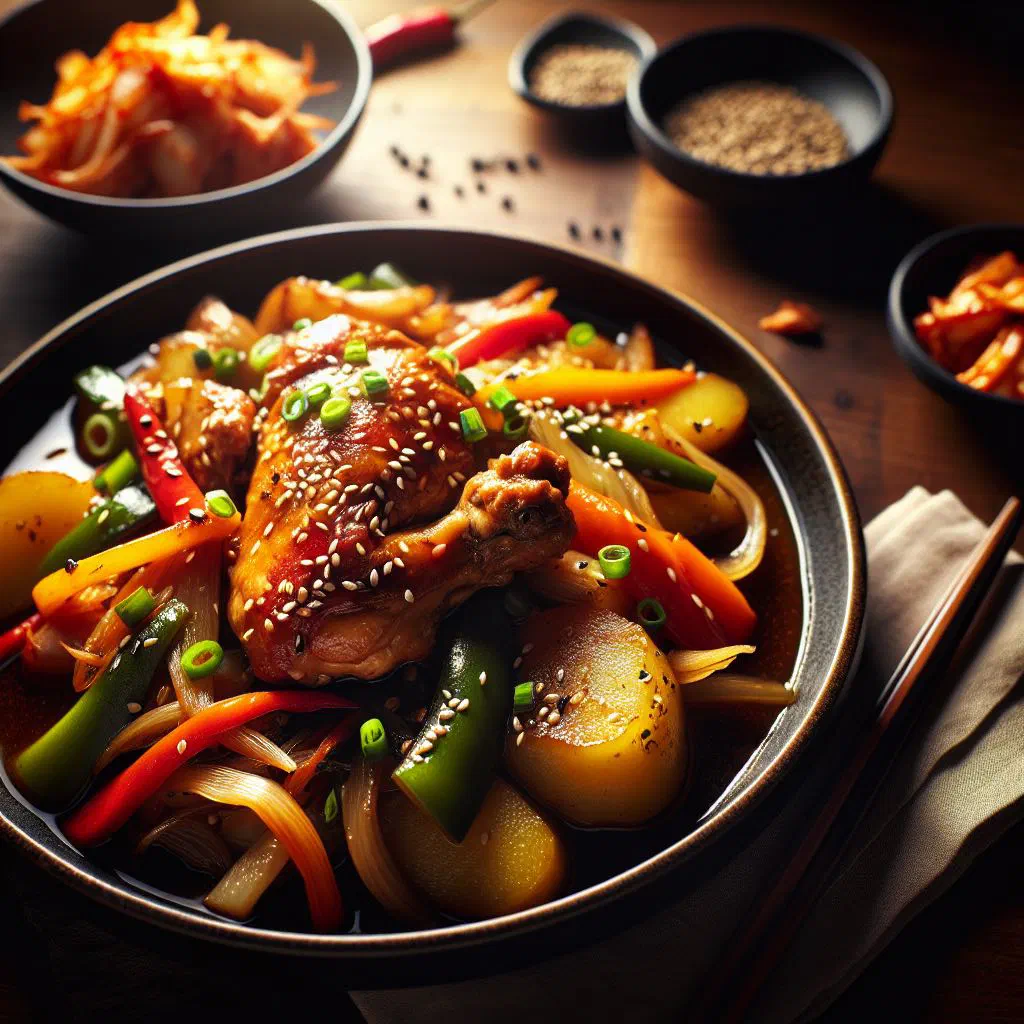
Meet Jjimdak, the soy-braised chicken dish that has become a firm favourite right across South Korea. Tender pieces of chicken are slowly simmered with potatoes, carrots and onion in a glossy, savoury soy sauce until everything turns meltingly soft and deeply flavoured. It is the kind of warming, generous dish that draws people round the table, equally at home as a relaxed family supper or the centrepiece of a sociable evening with friends.
About Jjimdak
Jjimdak is a classic Korean dish, celebrated as much for its versatility as for its wonderful depth of flavour. At its heart is a gentle braise of chicken, vegetables and a rich, savoury soy sauce that ties everything together. It captures something of South Korea’s food culture, marrying long-standing traditions with more modern cooking techniques. Perfect for sociable occasions, Jjimdak brings people together and invites everyone to enjoy the flavours of Korean cooking to the full.
Ingredients (serves 1–2)
- 500 g chicken thighs (boneless)
- 2 potatoes, peeled and diced
- 1 onion, sliced into rings
- 1 carrot, sliced
- 2 spring onions, cut into pieces
- 3–4 garlic cloves, finely chopped
- 2 cups vegetable stock
- 6 tablespoons soy sauce
- 2 tablespoons sugar
- 1 tablespoon pepper
- 1 tablespoon sesame oil
Shopping for the ingredients
To make the very best jjimdak, it is worth seeking out fresh, good-quality ingredients. Visit a local market or an Asian grocery to track down authentic products. When buying the chicken, choose pieces that have been kept well chilled and avoid frozen meat where you can, as fresh chicken delivers far better flavour. The same goes for the vegetables, reaching for seasonal produce will lift the taste of the finished dish.
Preparing the dish
Before you start cooking, it pays to have everything prepared and ready to go. Cut the vegetables into even pieces so they cook through at the same rate, and slice the chicken into bite-sized chunks so it cooks quickly and evenly. Take a moment, too, to mix the marinade of soy sauce, sugar, pepper and sesame oil. This is what gives jjimdak its signature savoury-sweet character.
Step-by-step instructions
- Heat a little oil in a large pot and brown the chicken over medium heat until nicely coloured.
- Add the garlic and onion and sauté until fragrant.
- Tip in the potatoes and carrots and stir everything together well.
- Pour the vegetable stock and the marinade over the chicken and vegetables, then bring to the boil.
- Lower the heat and let the dish simmer for about 30 minutes, until the vegetables are tender.
- Finally, add the spring onions and let the jjimdak cook for a further 5 minutes.
Gluten-free / lactose-free version
If you would like a gluten-free or lactose-free version of jjimdak, simply swap the soy sauce for gluten-free tamari. You should also check that the stock you use is gluten-free. Lactose barely features in this dish to begin with, so no further changes are needed to keep it lactose-free. As always, read the labels on your ingredients in advance to be sure the dish meets every dietary requirement.
Tips for vegans and vegetarians
For vegan and vegetarian versions of jjimdak, replace the chicken with seitan or tofu. These protein-rich alternatives soak up the marinade beautifully and give a satisfying texture. Remember to use vegetable stock to keep the whole dish plant-based. Fresh vegetables such as pak choi or broccoli are a lovely way to add even more flavour and goodness, much as the greens do in Kongnamul Muchim.
More tips and tricks
A few simple tips will help you perfect your jjimdak. Take care not to overcook it, so the chicken stays tender and juicy. If you like a little heat, a spoonful of chilli or hot sauce works a treat, much like the fiery edge of Dakdoritang. Experiment with spices such as ginger or black pepper to build extra depth, and finish with fresh herbs like coriander or chives for a bright, fresh lift.
Adapting the recipe to your taste
Jjimdak lends itself wonderfully to personal preference. Make it milder or spicier to suit your own palate, and feel free to vary the vegetables. Courgette, peppers or mushrooms are all great additions that bring extra texture and flavour. Let your imagination run free and shape your jjimdak around what your family or guests enjoy most.
Ingredient substitutions
If you do not have every ingredient to hand, there are plenty of alternatives to fall back on. Ordinary onions can stand in for spring onions, and the potatoes can be swapped for sweet potatoes. Mixed vegetables lurking in the fridge are perfect for adding variety. This flexibility means you can experiment freely without rewriting the whole shopping list. You can apply the same easy-going approach to a stir-fry like Ojingeo Bokkeum.
Drink pairing ideas
Choosing the right drink can lift the jjimdak experience considerably. A light, fruity beer or a glass of Korean soju makes a refreshing partner. For something alcohol-free, teas such as green tea or Korean roasted-barley tea are excellent companions. These drinks sit beautifully alongside the dish’s savoury flavours and help draw out its aromas.
Serving and presentation ideas
An appealing presentation goes a long way towards making the meal more enjoyable. Serve jjimdak in a large bowl set right in the middle of the table so everyone can help themselves. Garnish with fresh herbs for a splash of colour, and offer a few side dishes such as kimchi or steamed rice. These not only make the dish look more inviting but round it out into a complete and satisfying meal.
A bit of history
Jjimdak traces its origins to the Andong region of South Korea and is a traditional dish that has been enjoyed for centuries. It is thought to have begun as a nourishing meal prepared by farming families. Over the years the recipe has evolved to take in new tastes and preferences. Today jjimdak is hugely popular not only in Korea but internationally too, and it features on the menus of many Korean restaurants as a much-loved part of South Korean cuisine.
More recipe ideas
Summary: Jjimdak
All in all, jjimdak is a fascinating and flavour-packed dish that brings friends and family together. With its combination of tender chicken, fresh vegetables and an aromatic marinade, it becomes the highlight of any meal. This dish has the happy knack of surprising you time and again. Give it a go and bring a taste of Korean cooking into your own home.