National Dish South Korea: Jjolmyeon (Recipe)
In this article
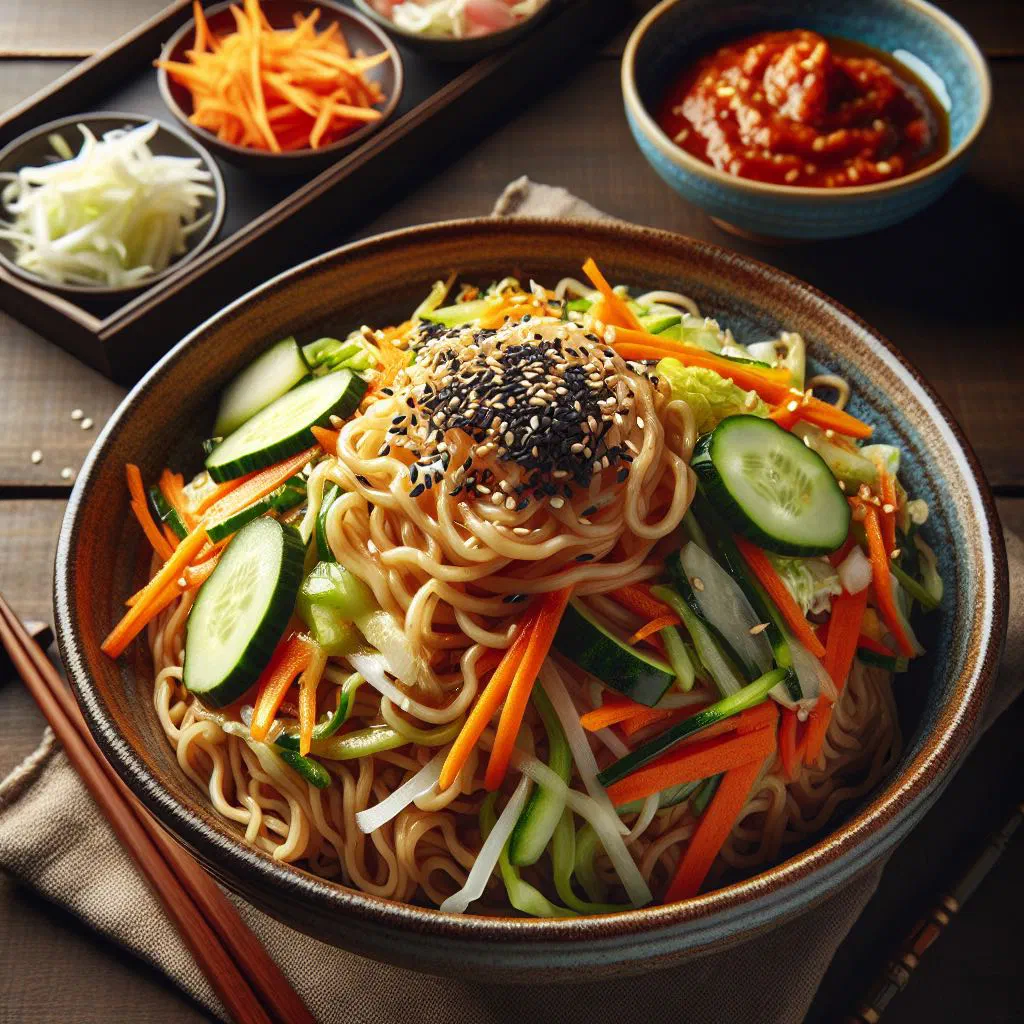
Beat the heat with Jjolmyeon, South Korea’s very chewy cold noodle dish. Tossed in a fiery-sweet sauce and piled high with crisp, fresh vegetables, it is the kind of food that wakes up the senses on a sweltering summer’s day. The contrast of cool noodles, bold gochujang heat and a glossy drizzle of sesame oil makes every mouthful a little adventure. Bring a taste of a Korean summer straight to your own table.
About Jjolmyeon
Jjolmyeon is a much-loved Korean noodle dish that comes into its own on warm days. The cool, spicy noodles are made from wheat flour and have a wonderfully chewy texture that appeals to the palate. They are typically served with a sharp, cold sauce built around chilli paste and vinegar. The interplay of fiery flavours and fresh vegetables makes this a truly distinctive experience of Korean cooking, and one that is endlessly satisfying.
Ingredients (serves 1–2)
- 200 g jjolmyeon noodles
- 1 cucumber, cut into fine strips
- 1 carrot, cut into fine strips
- 2 eggs (hard-boiled or poached)
- 3 tablespoons gochujang (Korean chilli paste)
- 2 tablespoons soy sauce
- 1 tablespoon sugar
- 2 teaspoons sesame oil
- Cooked seafood (optional)
Shopping for the ingredients
When shopping for jjolmyeon, it is worth seeking out fresh, good-quality produce to get the best results. Many Asian supermarkets stock gochujang along with the special jjolmyeon noodles the dish calls for. A trip to one of these shops usually offers the widest choice and helps you achieve authentic flavours. If a particular ingredient proves hard to find, several of the components can be ordered online or tracked down in a well-stocked grocery store.
Preparing the dish
Preparing jjolmyeon is straightforward and genuinely enjoyable. Begin by slicing the vegetables so all the flavours and textures come together beautifully. Cook the noodles according to the instructions on the packet so they stay pleasantly al dente. While the noodles boil, you can mix up the sauce, ready to bring everything together in harmony at the end.
Step-by-step instructions
- Cook the jjolmyeon noodles in boiling water according to the packet instructions.
- Drain the noodles and rinse under cold water to stop the cooking and lock in the chew.
- In a bowl, combine the gochujang, soy sauce, sugar and sesame oil.
- Add the sliced vegetables and the seafood, if using, to the bowl of sauce and toss well.
- Add the cooked noodles to the mixture and toss everything thoroughly to coat.
- Arrange the dish on a plate and garnish with the hard-boiled or poached eggs.
Gluten-free / lactose-free version
For a gluten-free version of jjolmyeon, reach for rice noodles or another gluten-free noodle alternative. The texture will differ a little, but the flavour experience remains much the same. For a lactose-free dish, simply check that every ingredient, sauces included, is free from lactose, or swap in lactose-free alternatives. That way the dish stays accessible and delicious for everyone at the table.
Tips for vegans and vegetarians
A vegan take on jjolmyeon is easily achieved: leave out the eggs and add extra vegetables or tofu instead. Seitan or tempeh also work well if you want a more protein-rich alternative. When mixing the sauce, choose plant-friendly products that preserve the heat and the umami depth. Just be sure the sauces you use contain no animal products, and you have a wholesome vegan meal, much like a hearty bowl of Kongnamul Guk.
More tips and tricks
To make the flavours of jjolmyeon sing, scatter over some toasted sesame seeds or fresh herbs such as coriander and spring onions. Be sure to chill the noodles well to play up the dish’s refreshing character. Experiment with the heat, too, using more or less gochujang to suit your taste. Small tweaks like these can make a big difference to the finished dish.
Adapting the recipe to your taste
The recipe for jjolmyeon lends itself to all kinds of personal adjustments. If you prefer things milder, cut back on the gochujang or swap in a gentler sauce. The choice of vegetables can shift with the season and what is available, keeping the dish fresh and exciting every time. And if you like to experiment, add anything else that appeals, avocado or mango, say, for a fruity twist.
Ingredient substitutions
If you find yourself short of certain ingredients for jjolmyeon, plenty of alternatives work just as well. In place of jjolmyeon noodles you can use other soft noodles, just keep an eye on the cooking time. Depending on what is in your spice cupboard, gochujang can be partly replaced with chilli sauce, though the flavour will vary. Remember, too, that fresh vegetables can often be swapped for frozen ones as long as they are well prepared. The same flexible, vegetable-forward thinking shines in a dish like Kongnamul Muchim.
Drink pairing ideas
A refreshing drink is the perfect partner for a flavourful dish like jjolmyeon. A traditional Korean barley tea (boricha) complements the flavours beautifully. Alternatively, a fruity iced tea or a homemade lemonade rounds off the noodles’ heat nicely. A cold glass of beer can also be a fine choice, especially on warm summer days.
Serving and presentation ideas
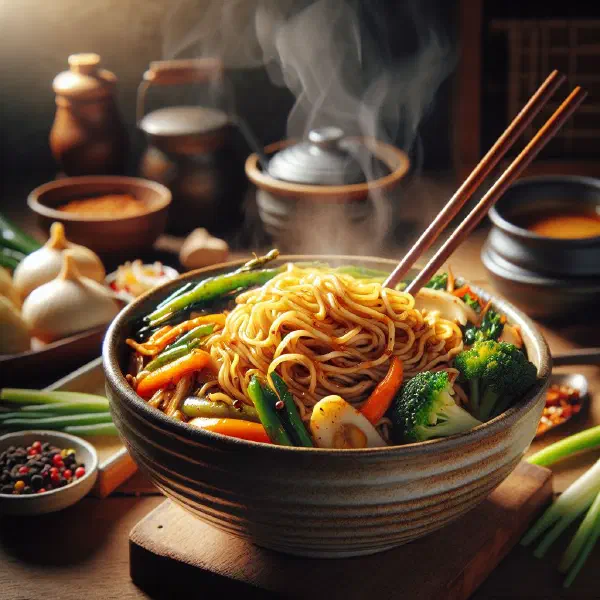
Serve the noodles in a handsome bowl and garnish generously with fresh vegetables, herbs and neatly arranged eggs. You can build the bowl up in layers of bright vegetables to create a lovely visual effect, the kind of bright plating that suits any Korean cuisine table.
A bit of history
Jjolmyeon has its roots in Korean cooking and is especially popular through the hot summer months. The cool noodles are said to refresh and cool the body, making them an ideal choice when the temperatures climb. Over the years the dish has evolved and given rise to many variations that differ by region and ingredients. Today jjolmyeon is regarded as a filling meal and as an expression of Korean food culture and its love of spicy, fresh dishes.
More recipe ideas
Summary: Jjolmyeon
In short, jjolmyeon is a refreshing, flavour-packed dish that is easy to make and a joy to adapt to your own tastes. With its combination of chewy noodles, spicy sauce and fresh vegetables, it is the perfect choice for warm days. Experiment with different ingredients and ways of plating to make the most of this dish. Jjolmyeon is bound to please everyone at the table.