National Dish South Korea: Jujube Tea (Recipe)
In this article
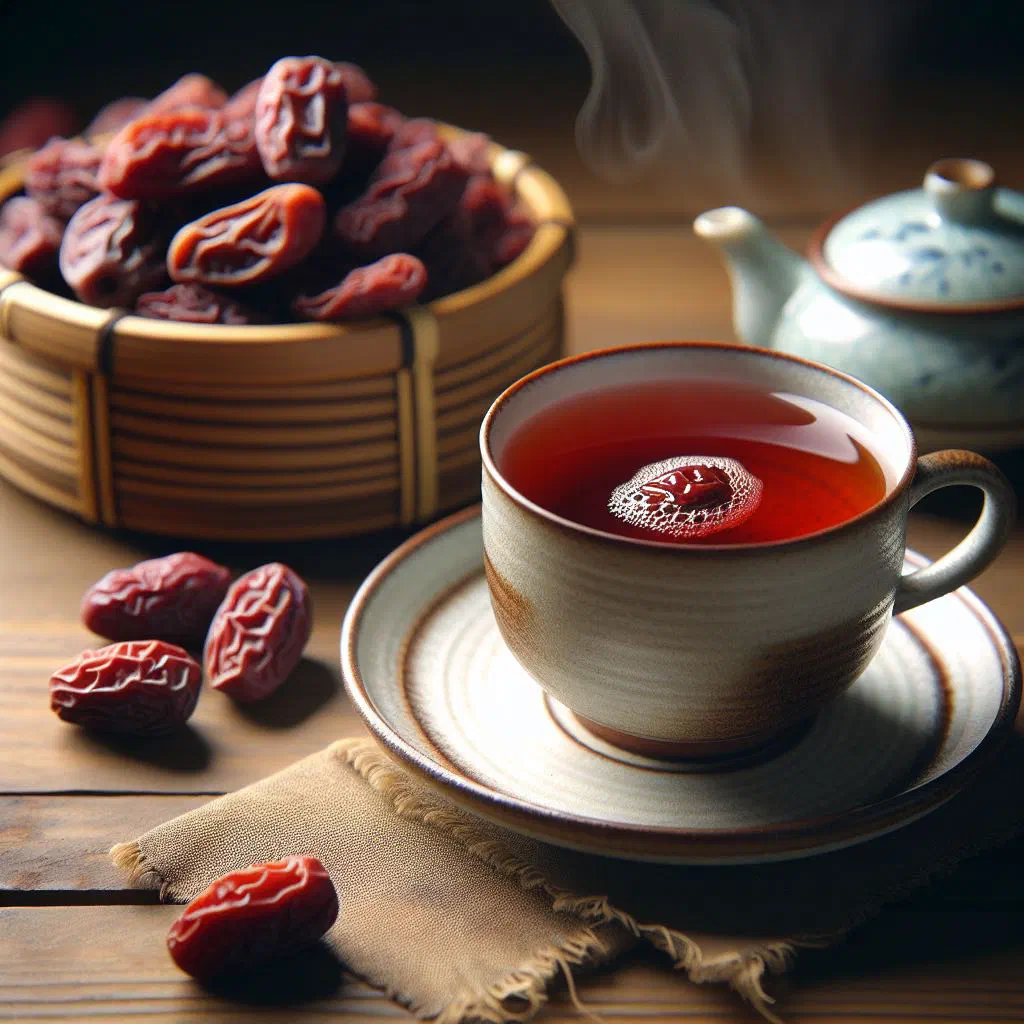
Warm, sweet and gently restorative, Jujube Tea, known in Korea as daechu cha, is one of the country’s most cherished comforting brews. Made simply from dried jujubes simmered slowly in water, it carries a rounded, naturally sweet flavour alongside a long list of wellbeing benefits. Sip it on a cold winter’s afternoon or after a hearty meal, and you will understand why Koreans have turned to this soothing cup for centuries.
About Jujube Tea
Jujube Tea is a traditional Korean herbal tea brewed from dried jujubes, sometimes called red dates. It is prized for its full-bodied, mellow taste and for its many reputed health benefits. The jujubes used to make it are rich in vitamins, minerals and antioxidants, all of which are thought to help strengthen the immune system. Enjoyed on chilly days or as a calming end to a meal, daechu cha is a true feel-good ritual that captures the gentle, nourishing side of Korean cuisine.
Ingredients (serves 1–2)
- 100 g dried jujubes (red dates)
- 500 ml water
- A pinch of salt (optional)
Shopping for the ingredients
The ingredients for jujube tea are easy to find in most Asian grocery shops and in well-stocked supermarkets. Be sure to choose good-quality dried jujubes, as the quality of the fruit has a direct bearing on the flavour of the finished tea. Fresh or organic jujubes are often more flavoursome and contain fewer preservatives. It is also worth paying attention to your water, pure, filtered water lets the natural sweetness of the dates shine through.
Preparing the dish
Preparing daechu cha is wonderfully simple and takes only a few steps. Begin by washing the jujubes thoroughly to remove any dirt or residue. As a rule there is no need to stone them, since they soften and dissolve beautifully during cooking. If you prefer an especially sweet brew, you can soak the jujubes in water for a few hours beforehand to deepen their natural flavour.
Step-by-step instructions
- Place the washed jujubes into a saucepan.
- Add the water and bring it to the boil.
- Reduce the heat and let the tea simmer gently for about 20 minutes.
- Once cooked, strain the tea to remove the spent jujubes.
- Optional: add a pinch of salt and stir well.
- Serve the tea hot and enjoy.
Gluten-free / lactose-free version
Daechu cha is naturally gluten-free and lactose-free, which makes it a perfect choice for anyone with food intolerances. You can enjoy this tea with complete peace of mind, as the two main ingredients, jujubes and water, contain nothing gluten- or lactose-based. If you are especially sensitive, simply take care that no cross-contamination has occurred during the production of the dried fruit.
Tips for vegans and vegetarians
Jujube tea is an excellent option for vegans and vegetarians, as it is made entirely from plant ingredients, an ideal fit for a plant-based diet. You can also combine the tea with other plant-based additions such as turmeric or ginger to boost its wellbeing credentials. These pairings not only add extra flavour but are also said to enhance the tea’s soothing, restorative qualities.
More tips and tricks
A few small touches can make brewing daechu cha even easier and more delicious. For instance, add a little cinnamon or a few cloves to lend the tea a warm, spiced note. A squeeze of lemon helps to balance the sweetness of the jujubes and brings a fresh lift to the cup. Experiment with your favourite spices and discover the perfect blend for your own taste.
Adapting the recipe to your taste
The recipe for jujube tea can be tailored entirely to suit you. Increase the quantity of jujubes for a more intense flavour, or extend the cooking time for a stronger infusion. If you prefer it less sweet, simply use fewer jujubes or replace some with a less sugary base. Be creative and shape the tea around your own preferences, much like you might adjust the warmth of a bowl of Gamjatang to taste.
Ingredient substitutions
If you are looking for alternatives to the ingredients in daechu cha, figs or raisins make a fine stand-in for jujubes. These dried fruits offer the same natural sweetness and bring similar wellbeing benefits. For a slightly different character, you could also use a herbal tea as the base and add the jujubes to it. The result is an exciting new twist on the traditional brew.
Drink pairing ideas
Daechu cha pairs beautifully alongside a number of other drinks. Serve it with a fresh herbal tea or a light green tea for a harmonious balance of flavours. It is also a delicious match for homemade smoothies, adding extra nourishment to the glass. Try these combinations to find the perfect companion for your jujube tea, a lovely way to round off a meal of Tteokguk.
Serving and presentation ideas
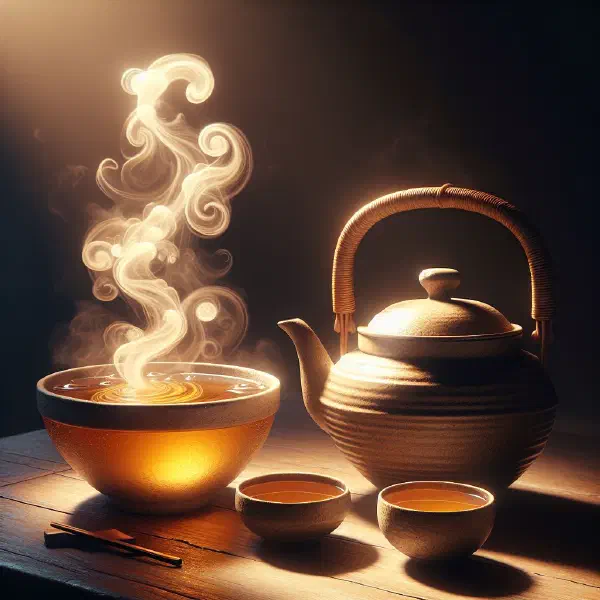
Thoughtful presentation can make your tea ritual even more enjoyable. Serve the brew in pretty cups or glasses that show off the amber-coloured drink. Rest fresh mint leaves or lemon slices on the rim of the cup for a touch of freshness. These small details can transform the whole atmosphere of your tea-drinking moment, much as a careful garnish lifts a plate of Pajeon.
A bit of history
Daechu cha has a long tradition in Korean culture, with roots reaching back to ancient Korea. Jujubes were once highly prized for their health-giving properties and regarded as an elixir of life. The tea is enjoyed as an everyday drink and as part of sacred ceremonies and family traditions. To experience this brew is to step into the rich culture and history of South Korea.
More recipe ideas
Summary: Jujube Tea
Daechu cha is a delicious and wholesome Korean herbal tea brewed from dried jujubes. With its gentle sweetness and its many soothing properties, it is perfect for cold days or as a comforting close to a meal. Jujube tea invites you to discover the flavourful variety of South Korean cooking. Savour the rewards of this unique tea and let its warm, mellow taste win you over.