National Dish South Korea: Juk (Recipe)
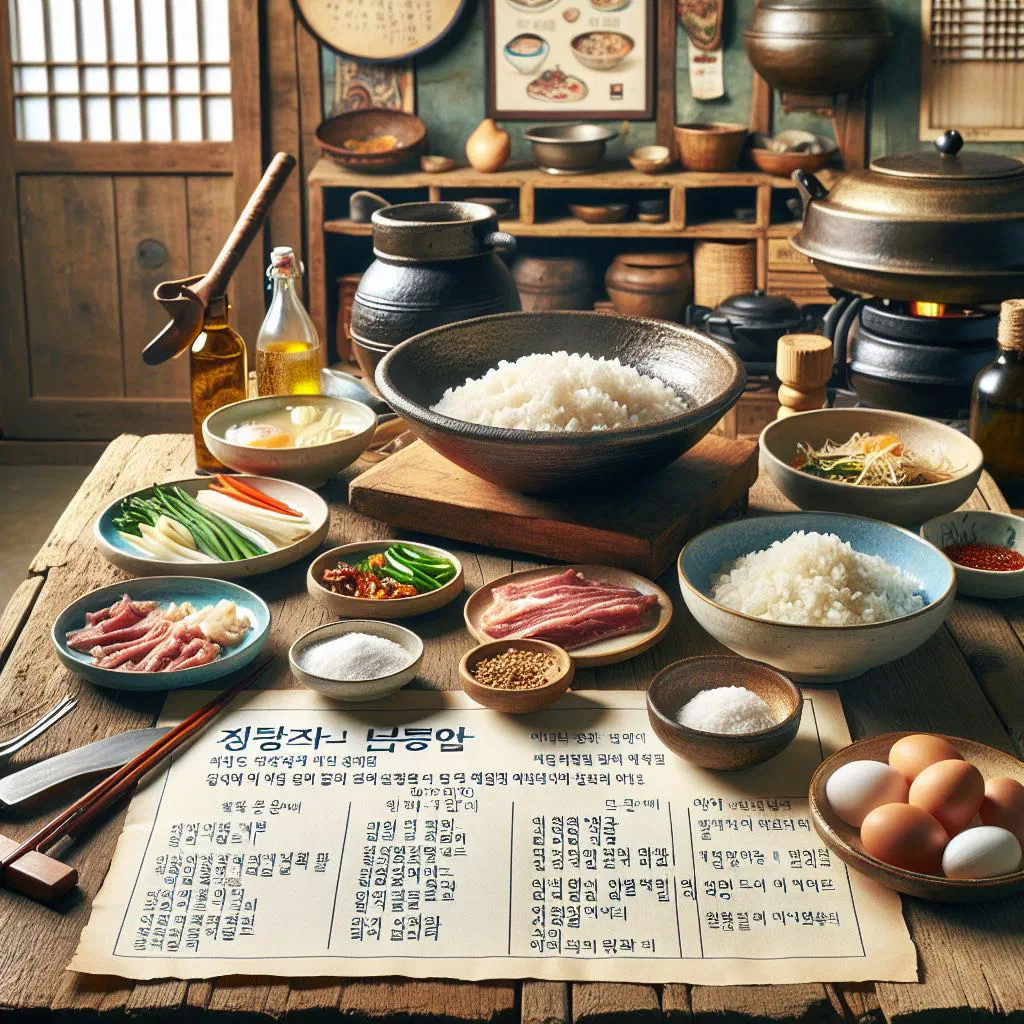
In this article
Warm, soothing and endlessly comforting, Juk is South Korea’s beloved rice porridge, the kind of dish you reach for on a cold morning or when you need a little nourishment to set you right. Made from just a handful of simple ingredients, this gentle bowl of slow-simmered rice has long been treasured as both everyday food and a homely remedy. Beans or vegetables, Juk is the very definition of Korean comfort food.
About Juk
Juk, the traditional Korean rice porridge, is more than just a meal. It is woven into the culture and history of South Korea. It is often eaten as a home remedy for colds or as a soothing dish to settle the stomach. The preparation calls for only simple ingredients, which makes it an easy option for anyone looking for nourishing, warming food.
Ingredients (serves 1–2)
- 1 cup rice (such as glutinous rice or short-grain rice)
- 4–5 cups water or stock
- 1 teaspoon salt
- Optional: ½ cup cooked chicken, beans or vegetables
- Optional: aromatics such as ginger or garlic
Shopping for the ingredients
To make Juk, it is worth choosing fresh, good-quality ingredients. The rice is the heart of the dish, so it is best to use glutinous rice or short-grain rice, which give the ideal creamy consistency. Many Asian grocery shops also stock special varieties of rice that are well suited to Juk. For extra flavour you can pick up fresh herbs or aromatics that make the dish even more inviting.
Preparing the dish
Before you start cooking Juk, it is important to rinse the rice thoroughly. This washes away excess starch, which helps you achieve a smooth, creamy texture. Afterwards, leave the rice to soak in water for a few hours or overnight; this shortens the cooking time and improves the texture. Any extra ingredients, such as vegetables or chicken, can also be prepared in advance to make the cooking process easier.
Step-by-step instructions
- Drain the soaked rice and tip it into a large pan.
- Add 4–5 cups of water or stock and bring everything to the boil.
- Reduce the heat and let the rice gently simmer over a low temperature for about 30 minutes.
- Add the salt and any extra ingredients such as vegetables or chicken, then cook for a further 10–15 minutes.
- Stir the porridge from time to time so it turns creamy, and serve it piping hot.
Gluten-free / lactose-free version
Juk is easy to make gluten-free and lactose-free simply by choosing the right ingredients. Take care to use gluten-free rice and adjust the other ingredients accordingly. Instead of stock you can use plain water or a vegetable stock that is gluten-free. Be mindful with seasonings and other ingredients to make sure they too are free from gluten or lactose.
Tips for vegans and vegetarians
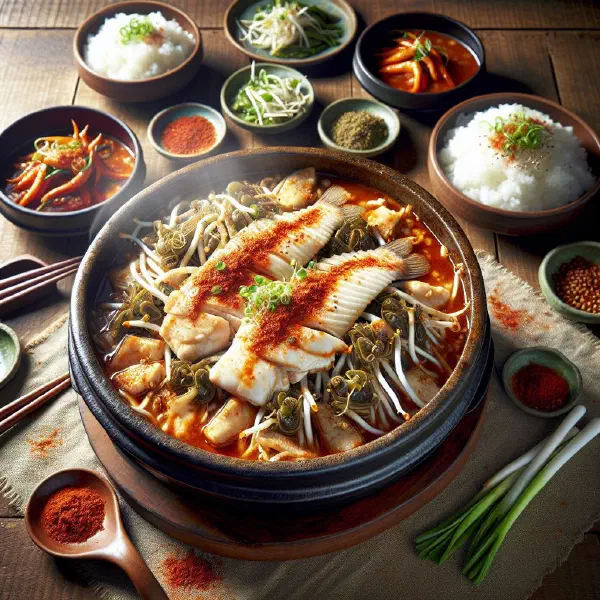
For vegan versions of Juk, animal products are easily swapped for plant-based alternatives. Instead of chicken, tofu or plant-based protein make excellent options. You can also add extra vegetables such as carrots or spinach to boost the nutritional value. Mushrooms like shiitake lend a hearty, umami-rich note that makes the dish especially delicious, much like the savoury depth of a bowl of Kongnamul Guk.
More tips and tricks
To make sure your Juk turns out perfectly every time, there are a few simple tips to follow. Stir the porridge regularly so it does not catch and burn at the bottom of the pan. If you would like an even creamier consistency, you can add a small splash of coconut milk or plant-based cream just before serving. These ingredients lend extra aroma and make the dish wonderfully rich.
Adapting the recipe to your taste
The versatility of Juk makes it easy to tailor the recipe to your own preferences. Experiment with different vegetables to create varied flavours and textures. The seasoning can be adjusted as you please too; add soy sauce, sesame oil or chilli to give the dish a spicier kick. A little kitchen creativity can turn this traditional dish into a truly unique experience.
Ingredient substitutions
If you cannot get hold of certain ingredients for Juk, there are plenty of alternatives to use. For instance, you could swap the rice for quinoa to create a more protein-rich version. Instead of water, different stocks can be used to vary the flavour, in the same comforting spirit as a bowl of Nurungji made from toasted rice. Nuts or seeds can also be added for extra crunch and nutrients.
Drink pairing ideas
A range of drinks pairs beautifully with a warm bowl of Juk. A soothing green tea would be an ideal choice, as it complements the gentle flavours of the dish. For something refreshing, an unsweetened fruit juice or a herbal tea works well alongside it.
Serving and presentation ideas
An appealing presentation of Juk can heighten the pleasure of the meal. Serve the porridge in pretty bowls and garnish it with fresh herbs or sesame. A drizzle of chilli oil or a squeeze of lemon juice can add extra colour and aroma. Arranging toppings such as fresh vegetables or sprouts over the Juk not only makes the dish more appetising but can also offer added health benefits.
A bit of history
Juk has a long history in Korean cooking and was once served above all to restore health. It was widely used as food for the sick or those recovering from illness. In traditional Korean society it was often prepared by mothers for their children, to give them warmth and easily absorbed nourishment. Today Juk is a much-loved dish, enjoyed both at home and in restaurants across Korean cuisine.
More recipe ideas
Summary: Juk
Juk is a versatile, nourishing dish that suits every occasion. With its simple preparation and countless variations, it proves itself the perfect comfort food, especially on cold days. Whether as a healing remedy or an everyday meal, Juk offers plenty of benefits both in flavour and in well-being. Give it a try and discover the many delicious ways to bring this traditional Korean dish to life in your own kitchen.