National Dish South Korea: Jumeokbap (Recipe)
In this article
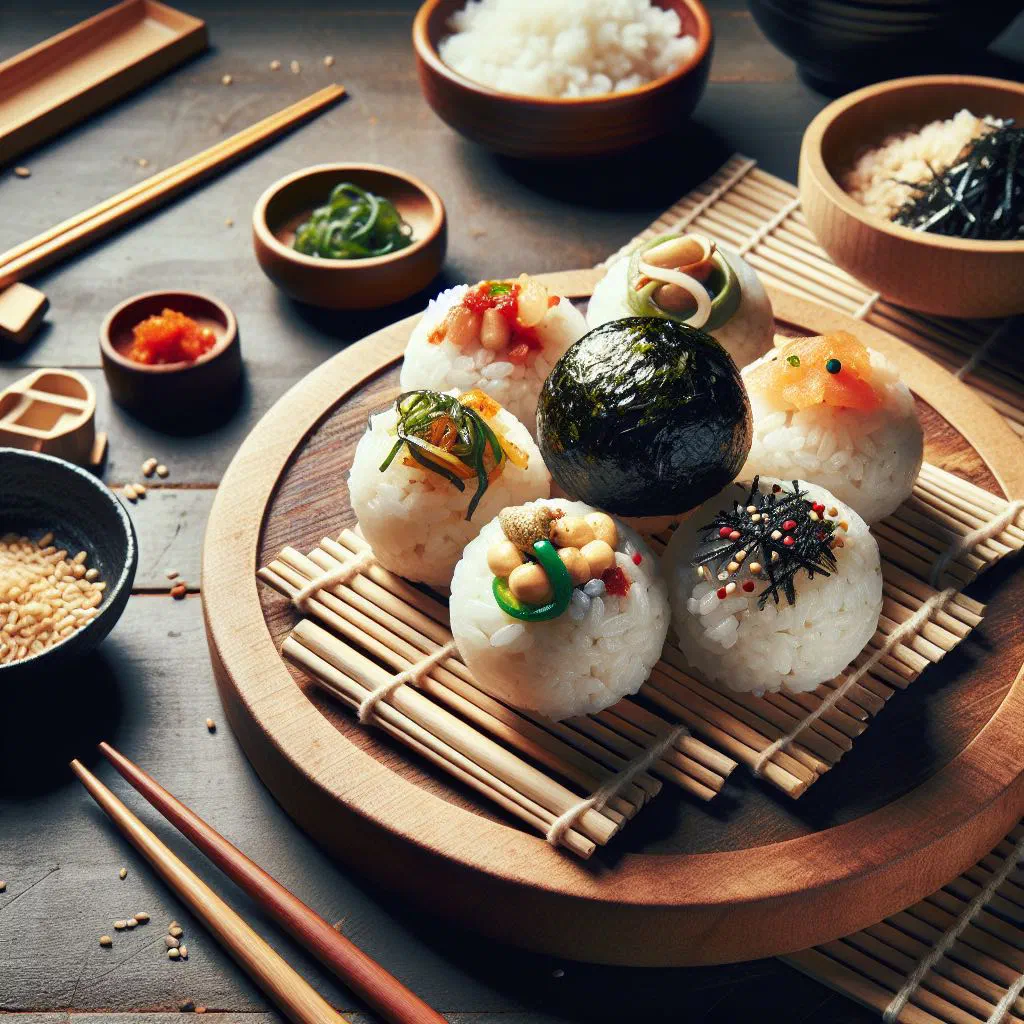
Say hello to Jumeokbap, South Korea’s beloved little rice balls. Packed with fresh vegetables and savoury seasoned rice, these handheld bites are as colourful as they are nourishing. Light enough for a quick lunch yet satisfying enough to keep you going through the afternoon, they make a brilliant grab-and-go snack. Roll up your sleeves and bring a taste of Korea straight to your own kitchen.
About Jumeokbap
Jumeokbap is a traditional Korean rice ball celebrated for its simple ingredients and remarkable versatility. This tasty dish can be made with all sorts of vegetables, nuts and seasonings, so there is something to suit every palate. Its bright, varied appearance makes jumeokbap not only nutritious but a real treat for the eyes too. Perfect as a quick lunch or an anytime snack, it is the ideal way to feel both healthy and well fed.
Ingredients (serves 1–2)
- 1 cup cooked rice (ideally from the day before)
- 1/2 cup mixed vegetables (e.g. carrots, cucumber and peppers)
- 2 tablespoons sesame oil
- 1 tablespoon soy sauce
- 1 teaspoon salt
- 1 teaspoon black pepper
- Sesame seeds, for sprinkling
Shopping for the ingredients
The ingredients for jumeokbap are easy to find in most supermarkets or Asian grocery shops. Be sure to pick out fresh vegetables, as their quality has a real impact on the final flavour. If you like, you can opt for organic or local produce to raise the bar even higher. The rice in particular should be on the stickier side to give you the best possible results.
Preparing the dish
Making jumeokbap could hardly be simpler, though a little groundwork goes a long way towards getting everything ready. Chop the vegetables into small, even pieces so they spread evenly through the mixture. Let the cooked rice cool a touch beforehand, as this makes it far easier to shape. It also helps to have a large bowl ready in which you can combine all the ingredients comfortably.
Step-by-step instructions
- In a large bowl, combine the cooked rice with the chopped vegetables.
- Add the sesame oil, soy sauce, salt and pepper, then mix well.
- Knead the mixture thoroughly until everything is evenly blended.
- Dampen your palms and shape the mixture into small balls, portion by portion.
- Sprinkle the finished balls with sesame seeds to serve.
Gluten-free / lactose-free version
For a gluten-free take on jumeokbap, simply reach for gluten-free soy sauce, which is now widely stocked and barely changes the flavour. When choosing your vegetables, stick to fresh, unprocessed produce to keep the dish naturally lactose-free. The remaining ingredients are easy to swap for lactose-free alternatives too, so everyone can enjoy these rice balls.
Tips for vegans and vegetarians
Jumeokbap is naturally vegan as long as the sesame oil and soy sauce you use contain no animal products. You can add tofu or other plant-based protein sources to make the dish even more nourishing. Experiment with different vegetables or herbs to give it your own signature touch. This not only boosts the versatility of the dish but its flavour too.
More tips and tricks
If you want to make jumeokbap for a larger group, simply scale up the quantities to suit. Just keep an eye on the proportions so you maintain a good balance between rice and vegetables. Before shaping the balls, you can also lightly pan-fry the mixture to add a pleasant toasted flavour. This gives the dish a new dimension and makes it even more appealing.
Adapting the recipe to your taste
Jumeokbap is easy to tailor to your own preferences. Add extra seasonings to bring more heat or depth to the flavour. Some people favour earthier notes and like to fold in mushrooms or beetroot alongside the vegetables. Swapping the plain rice for grain blends such as quinoa or barley can make the recipe more interesting too, adding a fresh texture into the mix.
Ingredient substitutions
In place of regular rice, you could use cauliflower rice to create a low-carb version of jumeokbap. For a sweeter note, try carrots or courgette as the filling. The choice of oil can vary as well, olive oil, for instance, lends the dish a Mediterranean twist. These small swaps let you experiment freely and discover brand-new flavours, much as you would with Ssambap.
Drink pairing ideas
A freshly brewed green tea pairs beautifully with jumeokbap. Its gentle bitterness sits perfectly against the savoury rice balls. Alternatively, a fruity smoothie makes a refreshing companion to the meal. Just keep the drinks on the less sweet side so they do not overshadow the flavour of the jumeokbap itself.
Serving and presentation ideas
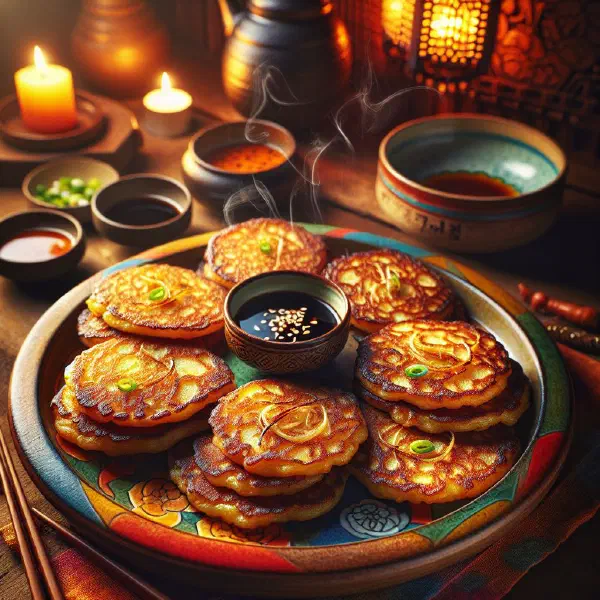
There is plenty of room to be creative when serving jumeokbap. Arrange the rice balls on a colourful plate with fresh vegetables and herbs on the side. A tidy garnish of sesame seeds and fresh herbs makes the dish look as good as it tastes. Small bowls of soy sauce or a spicy dipping sauce can be set out alongside to round off the spread, just as they would beside a plate of Pajeon.
A bit of history
Jumeokbap has a long history in South Korea and is often linked to family meals and celebrations. It is lovingly prepared across the country’s many regions and frequently enjoyed as part of picnics or festivities. Its preparation is straightforward and calls for no special culinary skill, which makes the dish accessible to absolutely everyone. It is also seen as a symbolic dish of community and togetherness, a spirit shared right across South Korean cuisine.
More recipe ideas
Summary: Jumeokbap
Jumeokbap is a delicious, easy-to-make dish that wins people over with its varied ingredients. It works wonderfully for all kinds of occasions and adapts readily to suit different tastes. With its nutritious and healthy make-up, it is not only a great option for a quick lunch but for get-togethers too. Set off on a little culinary adventure and enjoy the tasty, ever-versatile jumeokbap.